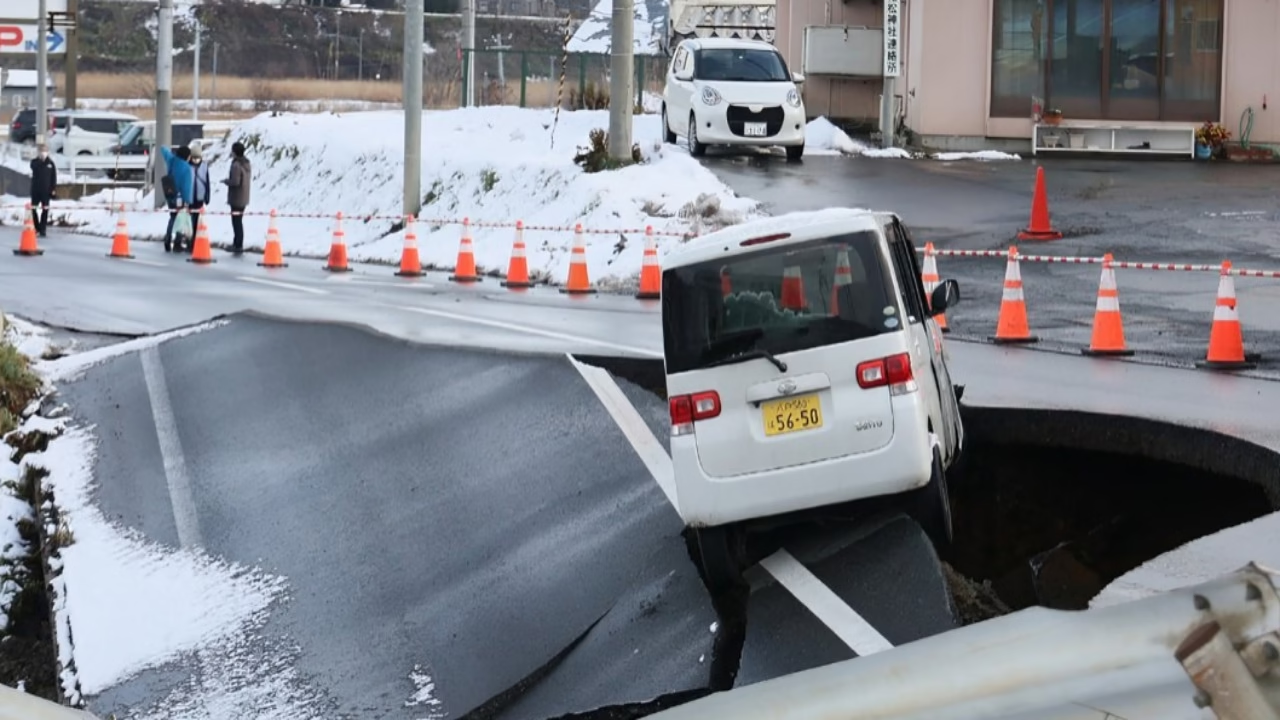
Japan was placed under its highest earthquake advisory this week after a 7.5-magnitude earthquake struck the northeastern coast near Aomori on Monday night. The Japan Meteorological Agency (JMA) issued a Japan earthquakes tsunami warning. In addition, the agency has also issued an evacuation order for more than 114,000 residents and a rare warning of a possible magnitude-8 or above megaquake within the coming days.
The Japan earthquakes hit at 11:15 pm. Moreover, it was about 44–50 miles offshore, and its intense shaking was felt more than 400 miles away in Tokyo, where buildings swayed for over 30 seconds. However, smaller waves were observed in Aomori and Hokkaido before warnings were lifted on Tuesday morning.
Authorities Warn of Larger Quake — But Say Probability Is Low

The JMA clarified that the advisory is not a prediction, but a precaution based on seismic patterns. Historically, large quakes, like the 2011 Tohoku earthquake, have sometimes been preceded by magnitude-7 tremors. However, the probability of a megaquake occurring this week is about 1 per cent.
Prime Minister Sanae Takaichi urged citizens to take responsibility for their safety. She said, “Please take appropriate disaster-prevention measures based on the principle that you are responsible for protecting your life.
The advisory covers 182 municipalities from Chiba to Hokkaido, which is stretched across nearly 1,300 km of the Pacific coastline of Japan.
Damage Report: Shrines, Roads, Schools Affected
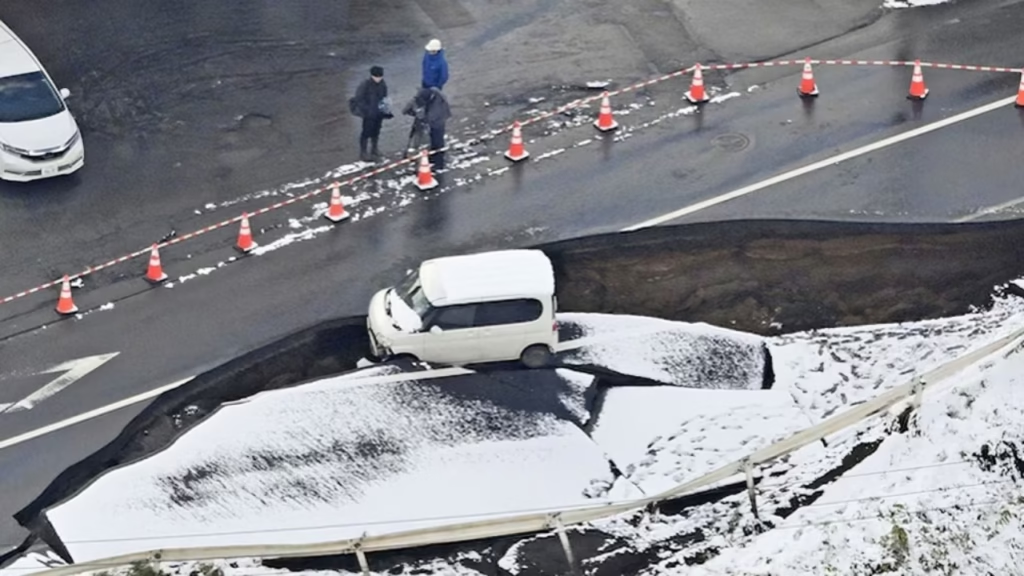
Fortunately, Japan has avoided a major catastrophe. However, the Japan earthquakes have caused the following damage:
- At least 34 injuries
- Power outages in Aomori and Iwate
- Suspended high-speed train operations
- Road closures across the northeastern regions
- Fires reported in parts of Aomori
- Damage to buildings, including hotels, malls, and homes
According to the Japanese news channels, the Chojasan Shinra Shrine has sustained heavy structural damage. Stone lanterns collapsed, glass doors shattered, and a portion of the shrine’s inner sanctuary developed a large hole. Moreover, the preparation for the New Year festivities has also been halted.
Schools across Hokkaido, Aomori, Iwate, Miyagi, and Fukushima reopened after temporary closure. However, students have been instructed to stay prepared for immediate evacuation.
Why Japan Issued a Megaquake Advisory?
Earlier this week, a Japan earthquake today tsunami warning were released. Now, the megaquake warning is also released by the Japanese government. This happens because the country sits on the Ring of Fire, which is one of the most active seismic zones in the world. On top of it, the Monday earthquake occurred near the Japan Trench and Chishima Trench. These are areas popular for triggering powerful earthquakes and tsunamis.
The JMA has warned that aftershocks or even stronger shocks might occur within the next week. Moreover, the highest risk period is the first 48 to 72 hours. However, experts say that the advisory aims to strengthen public readiness, not induce fear.
Officials Urge Residents: Stay Prepared, Sleep Fully Dressed
The authorities have advised residents in the affected regions to follow the following tips:
- Keep a ready-to-go emergency kit
- Stock several days of food, water, and medication
- Sleep in day clothes, not nightwear
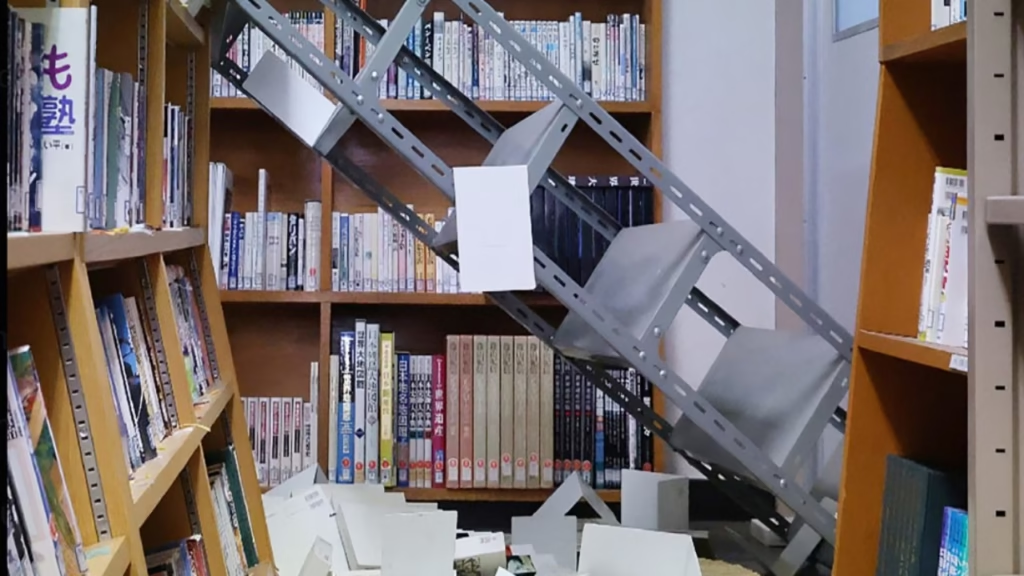
- Secure furniture to prevent injuries
- Review evacuation routes with family members
- Stay alert for JMA notifications
Municipalities are also testing communication systems and emergency radios to ensure readiness.
Understanding “Long-Period Ground Motions” of Japan Earthquakes Felt Across the Region
Many residents in eastern Japan felt long and swaying movement during the Japan Earthquakes, which is also known as Long-Period Ground Motions (LPGMs). However, these movements resonate strongly with tall buildings. However, these movements could last for minutes to cause cabinets and furniture to topple. Moreover, the strongest LPGM recorded was Level 3 in Rokkasho, where standing became difficult. Tokyo experienced Levels 1–2.
Read more:
Ajman to Dubai Bus Timings (2026 Guide): E400 & E411 Routes, Fares, Stops & Travel Tips
Top 5 Reasons Why The UAE Residents Prefer Public Transportation Over Self-Driving