3 February 2026| Dubai, UAE [Posted at 8:07 pm ]
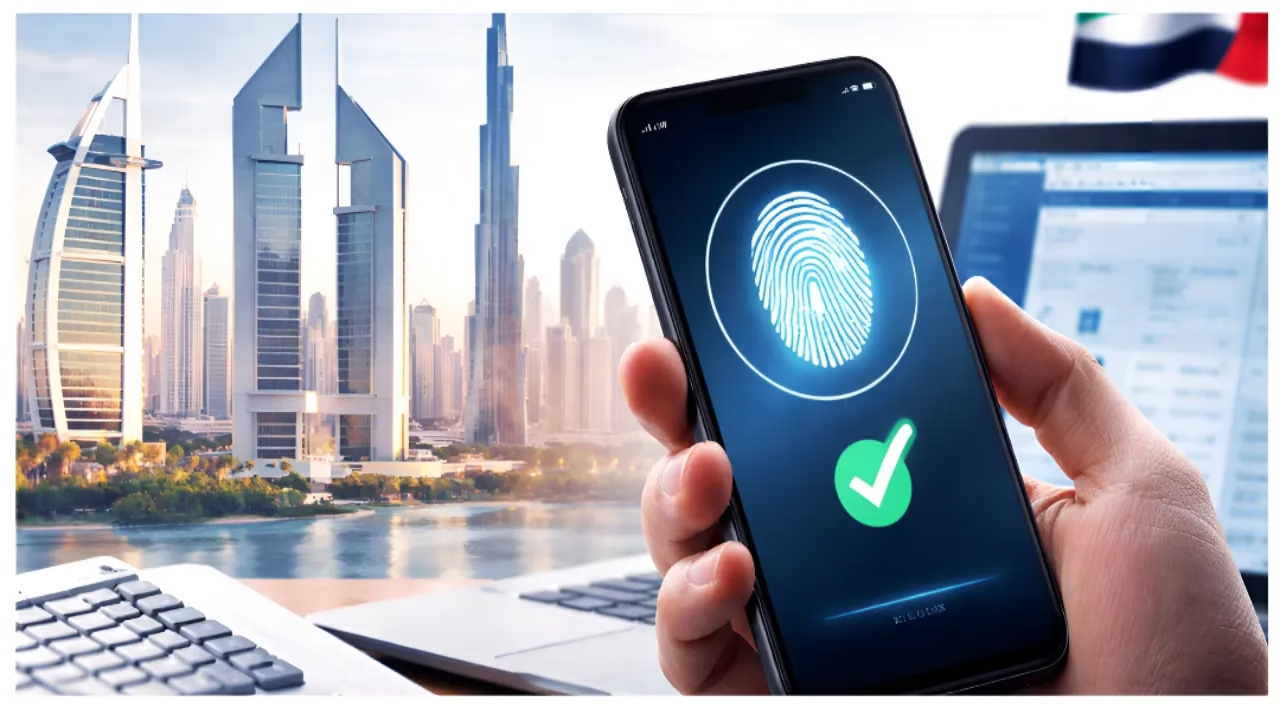
For decades, a handwritten signature symbolised trust in banking. In the UAE, that era is quietly coming to an end. UAE banks are now rolling out digital verification systems, replacing pen-and-paper signatures with secure, biometric-backed approvals.
Related Reads – UAE Banks to Stop SMS OTPs for Online Card Payments from January 6, 2026
UAE Banks OTP Authentication: UAE Banking Sector Embraces Digital-First Authentication
Top 10 and Best Banks for UAE Residents 2026
Why UAE Banks Are Ending Handwritten Signatures

At the heart of this change is speed, security, and accuracy.
Handwritten signatures have long been vulnerable to forgery, mismatches, and human error. With millions of transactions processed every year, UAE banks are embracing technology to reduce these risks while improving the customer experience.
Here’s what’s driving the change:
- Higher fraud prevention standards
Traditional signatures can be forged or disputed. Digital verification links identity directly to the user and device. - Faster banking processes
Electronic approvals eliminate delays caused by in-branch visits and manual document handling. - Regulatory alignment
UAE banks are aligning with CBUAE’s push toward paperless, digitally verified financial services.
This transformation is less about convenience alone—and more about trust at scale.
Backed by the Central Bank of the UAE (CBUAE), this shift marks a major step toward a fully paperless and fraud-resistant banking ecosystem.
How UAE Banks Digital Verification Works

The new system replaces physical presence with a secure digital identity.
Instead of signing documents at a branch, customers now approve transactions through national digital identity platforms, which authenticate and validate the request centrally.
Here’s how the process typically works:
Electronic signatures via digital ID
Customers sign banking documents electronically using UAE-approved digital identity platforms.
Central bank authentication
Once signed, documents are authenticated through official CBUAE-linked systems.
No branch visits required
Most approvals can now be completed remotely through mobile or online banking.
This “digital handshake” ensures verification is both faster and legally compliant.
What This Means for UAE Banking Customers

For residents and businesses, daily banking is about to feel very different.
The move toward UAE banks digital verification directly affects how customers manage accounts, loans, and approvals.
Here’s what customers can expect:
- Paperless banking experience
No more printing, scanning, or physically signing documents. - Enhanced security beyond SMS OTPs
Authentication increasingly relies on biometrics such as fingerprint or facial recognition. - Greater reliance on mobile banking apps
Your smartphone becomes the main tool for approvals and identity verification. - Preparation is essential
Customers should update banking apps, enable push notifications, and activate biometric login features.
For most users, these changes will feel seamless—provided devices and apps are kept up to date.
Read more – Opendoor Appoints New CEO, Doubles Down on AI as Stock Nears Oversold Zone
Mandatory Pet Registration in Abu Dhabi Starts Feb 3, 2026
Beyond Signatures: UAE’s Bigger Digital Banking Vision
This shift is part of a much larger national strategy.
UAE banks digital verification ties into broader initiatives aimed at building a future-ready financial system.
Key developments include:
- Digital KYC platforms
Faster onboarding and real-time identity checks across financial institutions.
- Open finance frameworks
Secure data-sharing between banks to improve services and competition.
- Blockchain-based verification pilots
Reducing errors, speeding up settlements, and improving audit trails.
- Biometric payment experiments
Facial and palm recognition systems that could eventually replace cards and PINs.
Together, these initiatives position the UAE as a global leader in fintech innovation.
Is Digital Verification Safe and Reliable?
Security remains the biggest concern—and also the biggest advantage.
Digital verification systems are built on government-backed platforms, encrypted infrastructure, and biometric data, making them significantly harder to compromise than handwritten signatures.
Key security benefits include:
- Reduced identity fraud
- Elimination of signature-mismatch disputes
- Clear digital audit trails
- Stronger customer authentication
In many ways, this transition strengthens—not weakens—banking security.
FAQs
1. Are handwritten signatures completely banned in UAE banks?
2. Do I need a UAE Pass for digital banking verification?
3. Will elderly or non-tech users face issues?
4. Is digital verification legally valid in the UAE?
5. Do businesses also fall under this change?
Conclusion
The shift away from handwritten signatures marks a defining moment for UAE banks. With digital verification becoming the new standard, banking in the UAE is faster, safer, and more future-ready than ever before.
Read more – Why Fujairah Is the UAE’s Most Underrated Emirate