
Tuesday, 24 February 2026| United Arab Emirates| Post Time: 2:10
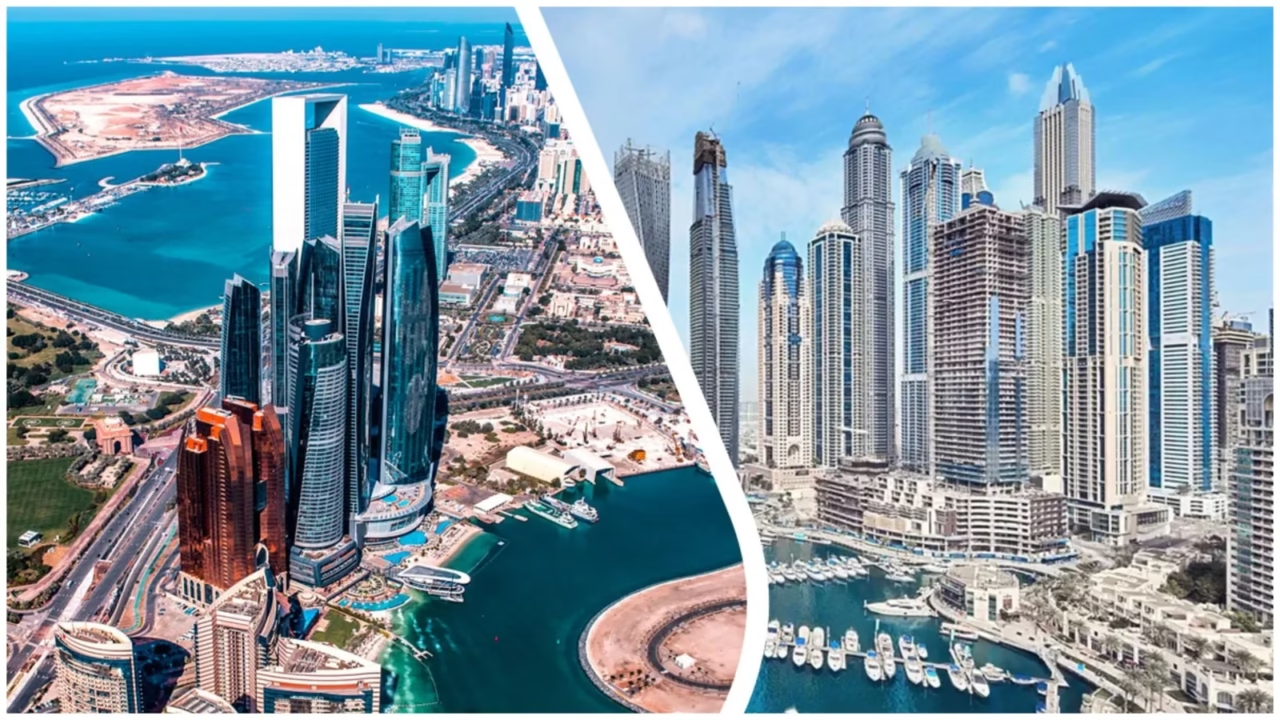
In our previous guide (Don’t Move to the UAE Before Reading This, Complete Guide to Living in UAE as an Expat) , we covered the legal steps to enter the UAE. Now comes the most important lifestyle decision, Where will you call home? The choice of Living in Dubai vs Abu Dhabi vs Northern Emirates will determine your savings, your commute, and your social life. This guide provides a transparent comparison of lifestyle, industry hubs, and real world costs.
Living in Dubai vs Abu Dhabi vs Northern Emirates; 2026 Comparison
Choosing the right city in the UAE is not just about the address, it’s about where your career can grow and your money can stay.
Professional Hubs: Which City Suits Your Job?
Not all industries are spread equally across the UAE. To grow your career, you must live where your industry breathes.
- Dubai: The Private Sector & Innovation Hub
- Abu Dhabi: The Institutional & Energy Hub
- Best For: Oil & Gas (ADNOC), Government & Policy, Aviation (Etihad), Defense, and Specialized Healthcare.
- Reason: As the capital, it houses all federal ministries and major energy corporations.
- Northern Emirates (Sharjah/Ajman): The Industrial & SME Hub
- Best For: Manufacturing, Industrial Engineering, Small Scale Trading, and Education.
- Reason: Lower operational costs make these emirates ideal for warehouses and production units.
Detailed Lifestyle & Infrastructure Comparison
The dynamic of Living in Dubai vs Abu Dhabi vs Northern Emirates is fundamentally defined by the ‘pace’ and ‘purpose’ of each city. Here is a deeper look into the infrastructure and the must know locations in each
Dubai; The High-Energy Global Hub
Dubai is designed for those who thrive in a fast-paced, 24/7 environment. Its infrastructure is the most advanced in the region, centered around the Dubai Metro, which connects the major residential and business districts, making it the only emirate where a car free lifestyle is truly possible.

- Pros: World-class connectivity, unmatched nightlife, and a ‘limitless’ variety of services.
- Cons: High cost of living, significant traffic congestion during rush hours, and a constant ‘tourist’ buzz that can feel overwhelming for some.
- Key Landmarks & Areas:
- Downtown Dubai: Home to the iconic Burj Khalifa and Dubai Mall.
- Dubai Marina & JBR: The ultimate waterfront lifestyle with skyscrapers and beach access.
- Palm Jumeirah: A world-famous man-made island offering luxury villas and resorts like Atlantis, The Palm.
- Business Bay: The primary corporate hub bordering the Dubai Canal.
2. Abu Dhabi; Sophisticated, Safe, and Structured
The lifestyle in Abu Dhabi for expats is characterized by stability and order. The infrastructure is exceptionally well-planned, featuring wide boulevards and extensive green spaces. While it lacks a metro system, its public bus network is highly efficient and covers almost every corner of the capital.
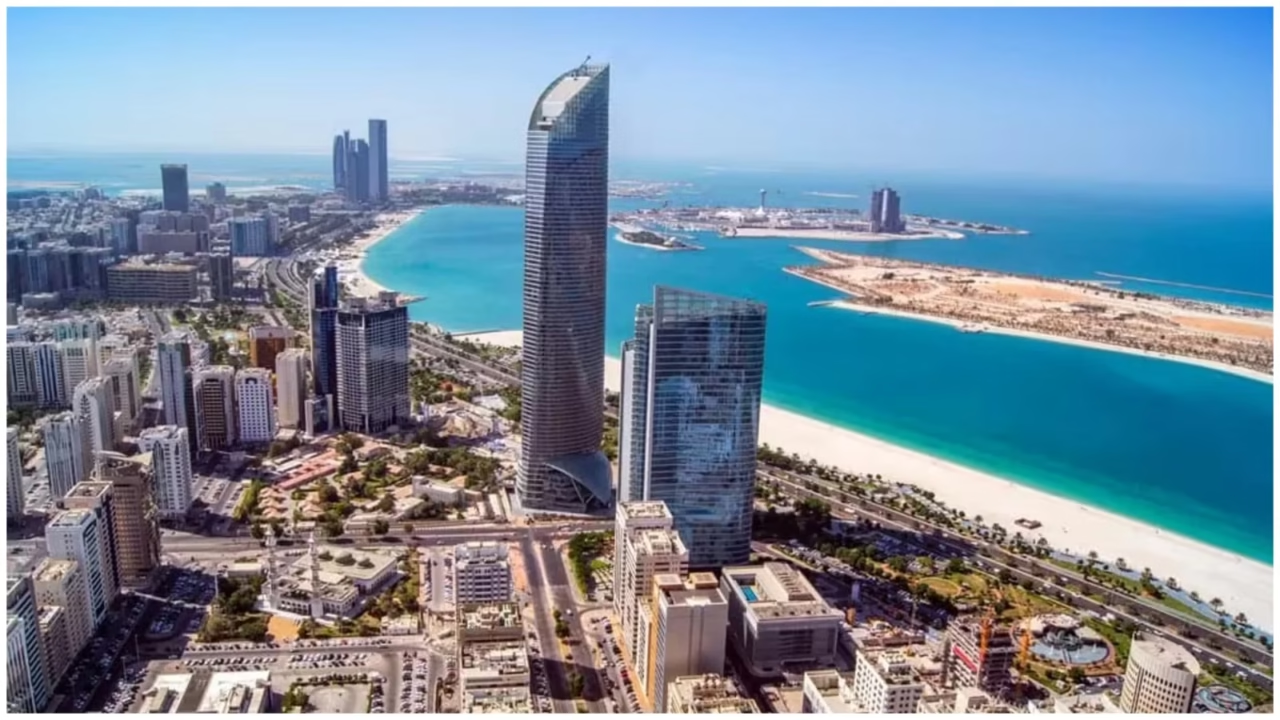
- Pros: It is widely considered the best emirate for families in UAE due to its low crime rates, premium healthcare, and calm residential communities.
- Cons: A slower social pace compared to Dubai and a mandatory requirement for a car to navigate comfortably.
- Key Landmarks & Areas:
- Sheikh Zayed Grand Mosque: One of the world’s largest and most beautiful mosques.
- Yas Island: The ultimate family destination featuring Ferrari World, Warner Bros. World, and the F1 Circuit.
- Saadiyat Island: The cultural heart, home to the Louvre Abu Dhabi.
- Corniche Road: An 8km stretch of pristine waterfront with cycling paths and parks.
3. Northern Emirates (Sharjah & Ajman); Cultural & Budget Friendly
The Northern Emirates offer a more traditional and community centric vibe. The infrastructure is rapidly developing, but the primary appeal remains the massive savings on rent and general living expenses.
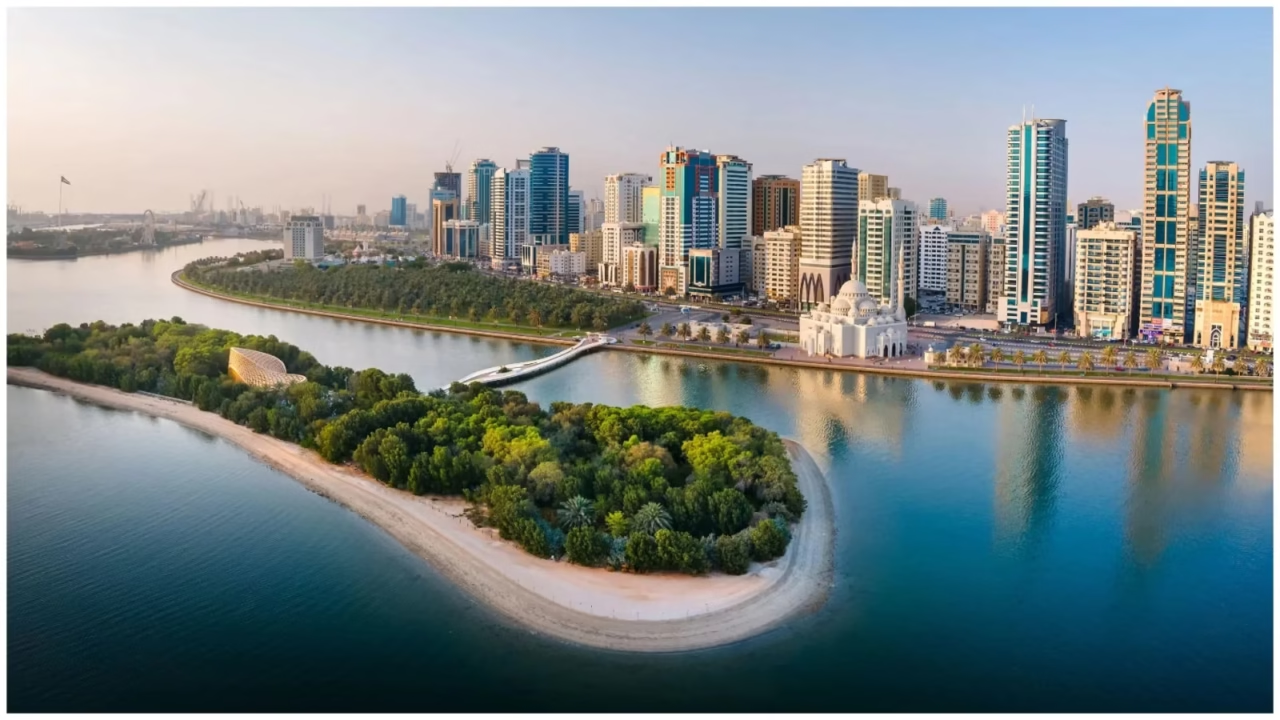
- Pros: High value for money and a rich cultural heritage.
- Cons: Heavy inter city traffic, especially the E11 and E311 highways during peak hours for those working in Dubai.
- Key Landmarks & Areas:
- Al Majaz Waterfront (Sharjah): A family favorite with fountain shows, dining, and parks.
- University City (Sharjah): An architectural marvel housing the region’s top educational institutions.
- Ajman Corniche: A beautiful, less-crowded coastline perfect for weekend relaxation.
- Al Zorah (Ajman): A luxury eco-destination known for its mangroves and world-class golf course.
The ‘Live-Work’ Hack; Saving on Costs
The cost of living difference between Dubai and Ajman is so vast (up to 40% cheaper) that many people choose the ‘Live-Work’ hack. Living in Sharjah and working in Dubai allows you to earn a Dubai scale salary while paying Northern Emirates rent. To make this work in 2026
- Timing: Start your commute before 6:30 AM to beat the E11/E311 traffic.
- Transport: Use the inter-city air-conditioned buses if you want to save on fuel and parking.
Conclusion & What’s Next?
Choosing your city is the first step toward your UAE dream. Whether you prefer the skyline of Dubai or the family friendly parks of Abu Dhabi, knowing your budget is key. But how much exactly does a gallon of milk or a 1-bedroom apartment cost in 2026?Ready to see the actual price tags? Join us in Part 3, ‘The Money Guide; Cost of Living & Best Areas to Live in UAE 2026‘ for a complete deep dive into your monthly bills.
Frequently Asked Questions (FAQ)
1. Which is the best emirate for families in UAE? Abu Dhabi is the top choice for families due to its quiet residential zones and high concentration of international schools.
2. How much can I save by living in Ajman instead of Dubai? A single expat can save approximately AED 2,500 – 4,000 monthly just on rent and basic utilities.
3. Is public transport available in all emirates? Dubai has the most advanced system (Metro, Tram, Bus). Abu Dhabi and Sharjah have extensive bus networks, but a car is highly recommended for Northern Emirates living.





2 thoughts on “Living in Dubai vs Abu Dhabi vs Northern Emirates; Which is Right for You? Complete Guide to Living in UAE as an Expat ( PART 2)”