
Published: Wednesday, 18 March 2026, at 2:16 pm | Dubai | Edited: Wednesday 18 March 2026, at 3;13 pm
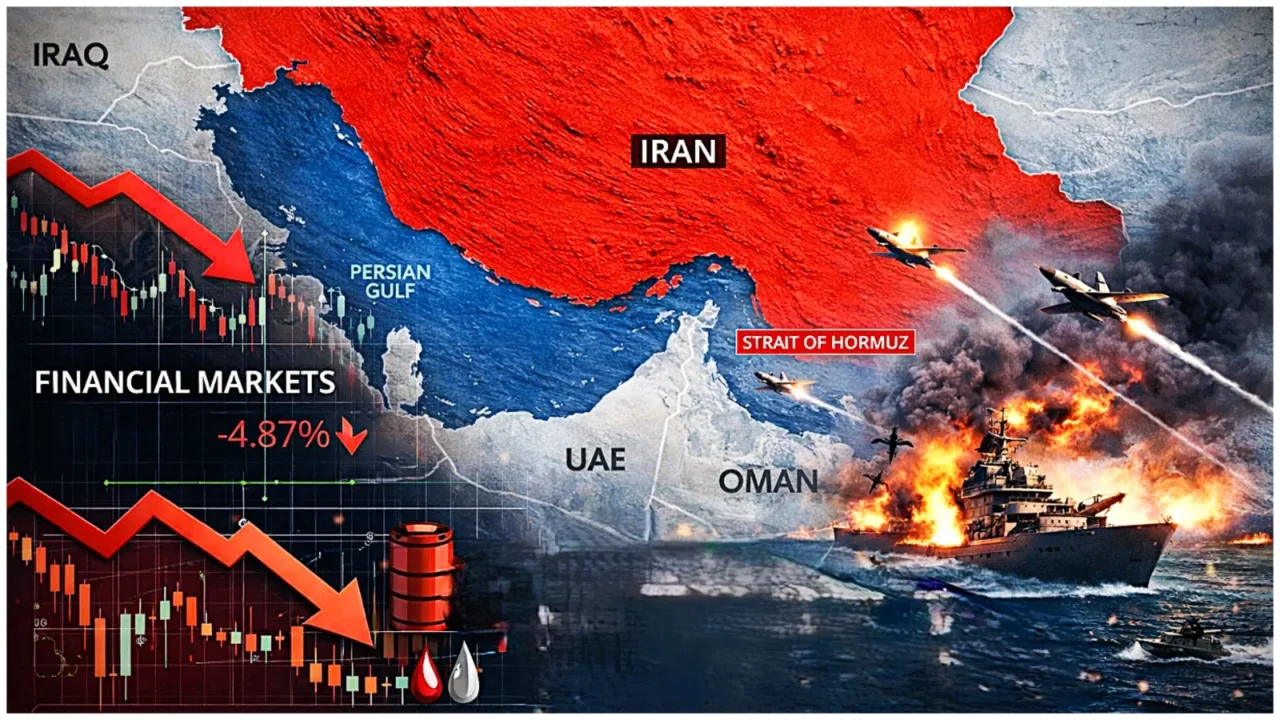
The global financial community is closely monitoring a startling new report from Bloomberg regarding the Middle East. The central concern for investors today is how Iran war affects gulf countries economically, as expert projections indicate a potential recession unlike anything seen in decades. Read on to see what the top economists are predicting for the region.
RELATED READS: World on Edge; Trump’s High-Risk Move to Control the Strait Sparks Global War Fears
Abu Dhabi Missile Attack 2026: Is Abu Dhabi Safe To Visit Right Now
How Iran War Affects Gulf Countries Economically? Insights from the Bloomberg 2026 Report
The ongoing military tensions in Iran have sent shockwaves through the financial markets of the Middle East. A comprehensive Bloomberg GCC economic report has highlighted that if the conflict does not resolve quickly, the region could face its most severe downturn since the 1990-91 Gulf War. Understanding how Iran war affects gulf countries economically requires a look at the data provided by leading financial institutions.
Expert GDP Forecasts for 2026
An analysis of the specific contraction figures provided by Goldman Sachs analysts.
According to the Goldman Sachs GDP projections 2026, the impact of the war varies significantly across the GCC. Farouk Soussa, a prominent economist at the firm, told Bloomberg that the severity depends on the duration of the Strait of Hormuz transit halt.
- Qatar & Kuwait: These nations are the most vulnerable, with a projected 14% contraction in GDP.
- United Arab Emirates (UAE): Bloomberg analysts expect a 5% drop in the UAE’s economic output.
- Saudi Arabia: The Kingdom may see a 3% decline, benefiting slightly from its ability to bypass certain trade chokepoints.
- Historical Context: For many of these states, this would be a deeper economic hit than the 2020 pandemic.
How Iran War Affects Gulf Countries Economically via the Energy Blockade
The impact of the near-total shutdown of global energy shipping lanes.
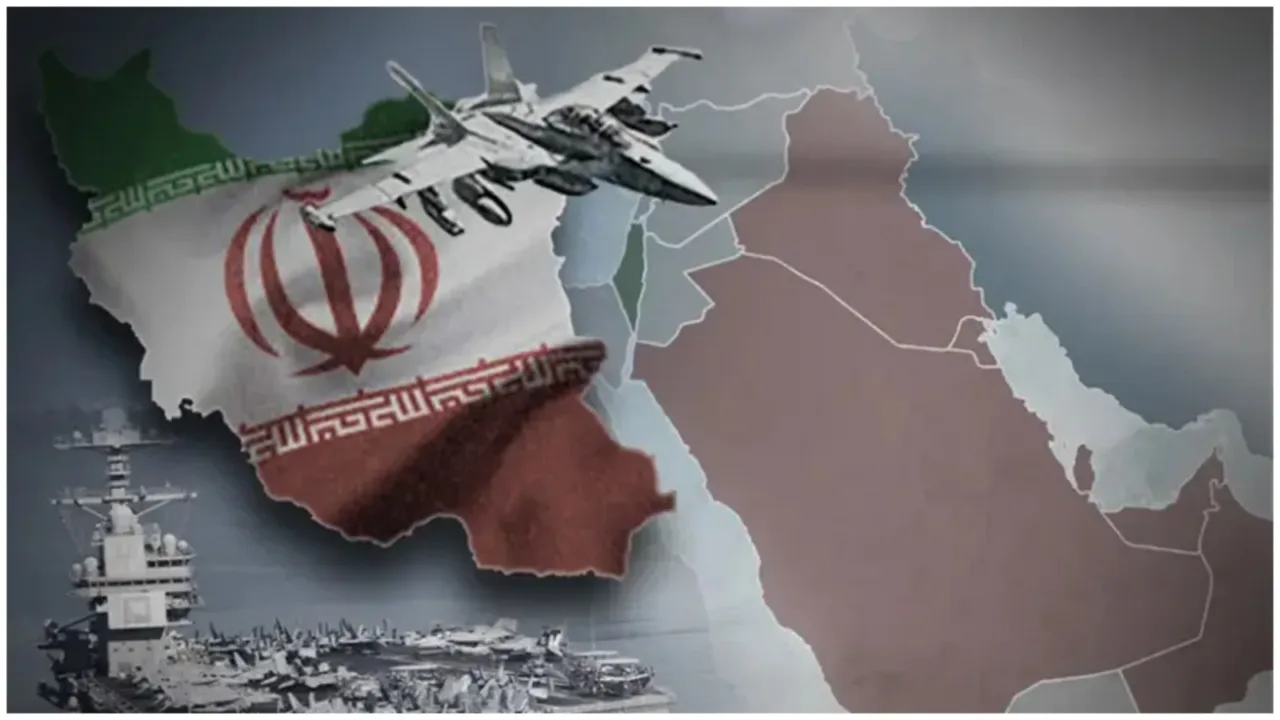
The most critical factor in how Iran war affects gulf countries economically is the physical blockade of oil and gas. Bloomberg reports that between 15 million and 20 million barrels of oil are currently stranded, unable to reach global markets despite high prices.
- Stranded Assets: Producers cannot benefit from Brent crude hitting ~$106/bbl because they cannot ship.
- Strait of Hormuz transit halt: A two-month shutdown of this waterway is the ‘stress scenario’ cited by Bloomberg.
- Export Dependency: Kuwait and Qatar lack viable alternative routes, making the blockade a direct hit to their national wealth.
- Supply Deficit: This creates the largest supply disruption in the history of the global oil market.
Bloomberg Analysis of Non Oil Sector Vulnerability
How the ‘safe haven’ reputation of the Gulf is being tested in 2026.
Bloomberg’s experts have also pointed out the massive non oil sector vulnerability in Gulf hubs. Tourism and aviation, which are the pillars of the UAE’s diversification strategy, are facing unprecedented challenges.
- Aviation Losses: Estimated losses in tourism and aviation have already reached $40 billion according to industry data.
- Real Estate Slump: In Dubai, stocks have entered bear-market territory as the war rattles the property sector.
- Infrastructure Risk: Strikes on desalination plants and ports have tested the region’s status as a secure investment hub.
- FDI Impact: The Bloomberg GCC economic report suggests long-term Foreign Direct Investment could stall due to regional anxiety.
ALSO READ: Spider-Man: Brand New Day Leaked Clip; 13 Seconds That Change Everything for the MCU
Zakat Al Fitr 2026: Eligibility, Official Amount, Deadlines, and How to Pay Explained
Vulnerability vs. Resilience: UAE and Saudi Arabia
Comparing the economic defenses of the region’s two largest powers.
To understand how Iran war affects gulf countries economically, Bloomberg economists distinguish between those who can bypass the Strait and those who cannot. This infrastructure gap defines the non-oil sector vulnerability in Gulf economies today.
- The Pipeline Advantage: Saudi Arabia can reroute some crude through its East-West pipeline to the Red Sea.
- UAE’s ADCOP Pipeline: The UAE also has limited bypass capacity (1.5 mbpd), which cushions the blow to its oil sector.
- Tourism Hubs: Despite energy defenses, the UAE faces higher risks to its non oil GDP due to its reliance on global travel.
- Fiscal Deficits: Saudi Arabia faces a deeper fiscal deficit in Q1 2026, though it remains more resilient than its smaller neighbors.
Data from the Bloomberg GCC Economic Report
A breakdown of the risks associated with a prolonged conflict.
The latest Bloomberg GCC economic report underscores that the scars on market confidence may outlast the war itself. If the Strait of Hormuz transit halt continues through April, the structural damage to regional trade will be profound.
- Qatar’s LNG: The total reliance on Hormuz for gas exports puts Qatar’s budget under immense pressure.
- Kuwait’s Isolation: With no bypass routes, Kuwait’s oil production is effectively shut in.
- Market Volatility: Dubai’s equities have recently been among the world’s worst performers in dollar terms.
- Confidence Crisis: Farouk Soussa noted that while these nations will eventually rebuild, investor trust is being severely tested.
The Long Term Economic Outlook
Reviewing the Goldman Sachs GDP Projections for the remainder of 2026.
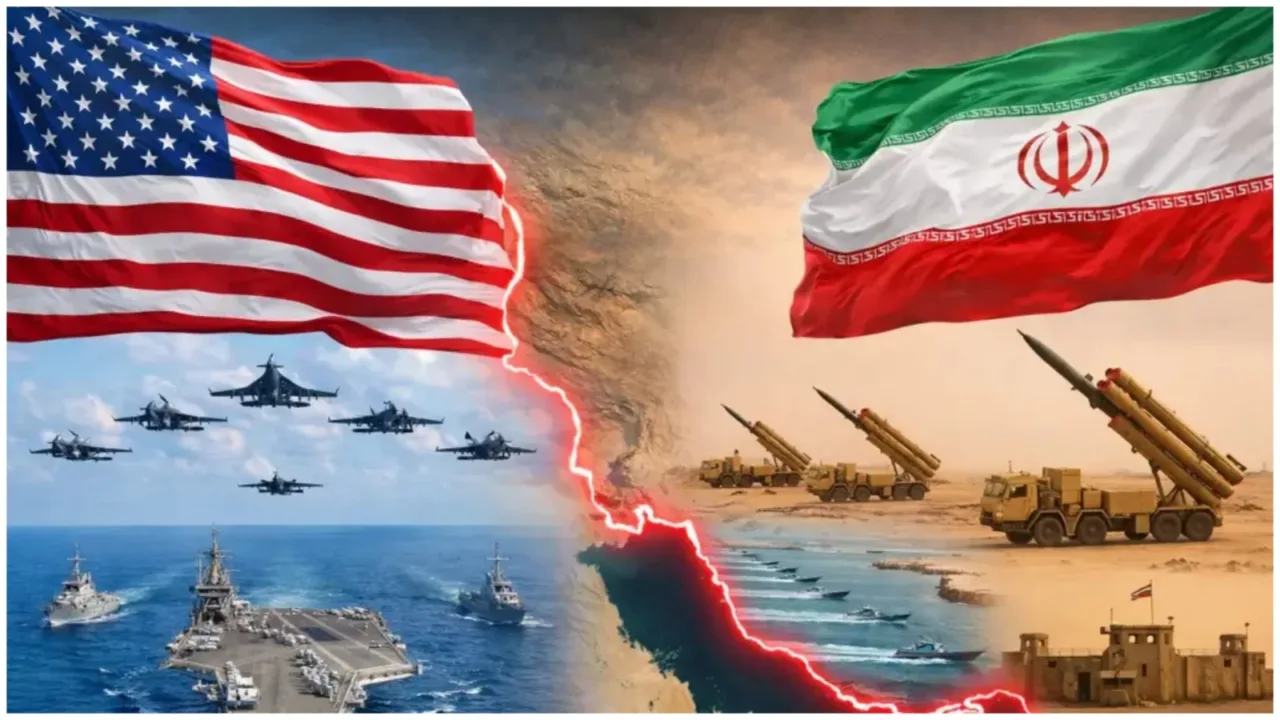
As we look at the Goldman Sachs GDP projections 2026, the path to recovery seems to hinge on a ceasefire. The way how Iran war affects gulf countries economically in the second half of the year will depend on the restoration of safe shipping lanes.
- Catch-up Growth: Analysts expect a gradual recovery in 2027, provided the conflict ends soon.
- Inflationary Risks: Higher costs for imported goods are already hitting local consumers across the GCC.
- Strategic Shifts: The crisis is likely to force GCC states to accelerate the construction of alternative export infrastructure.
- Credit Watch: International rating agencies are closely monitoring the non-oil sector vulnerability in Gulf nations for potential downgrades.
Conclusion
In summary, the Bloomberg report paints a sobering picture of how Iran war affects gulf countries economically. From the 14% GDP crash in Qatar to the $40 billion hit to tourism, the data highlights a region under extreme fiscal stress. Whether the GCC can maintain its reputation for stability depends entirely on the resolution of the Strait of Hormuz transit halt and the stabilization of global trade.
FAQ
1. How Iran war affects gulf countries economically according to Bloomberg? Bloomberg highlights that the war causes severe GDP contractions, energy shipment halts, and massive losses in tourism.
2. What are the Goldman Sachs GDP projections 2026 for the GCC? They project a 14% drop for Qatar and Kuwait, 5% for the UAE, and 3% for Saudi Arabia.
3. Why is the Strait of Hormuz transit halt so dangerous? It blocks roughly 20% of the world’s oil supply, leaving Gulf producers unable to export their products.
4. What is the estimated non-oil sector vulnerability in Gulf countries? The aviation and tourism sectors have already seen an estimated $40 billion loss due to the conflict.
5. Which Gulf country is the most resilient to the Iran war? Saudi Arabia is considered the most resilient due to its alternative East-West pipeline infrastructure.
ALSO READ: When is Eid al-Fitr 2026? Latest Moon Sighting News and Expected UAE Dates






6 thoughts on “A Critical Threat to Your Wealth: How Iran War Affects Gulf Countries Economically? Read Bloomberg Report…”