Published: Thursday, 2 April 2026, at 3:28 pm | Dubai | Edited: Thursday, 2 April 2026 , at 4:10 pm
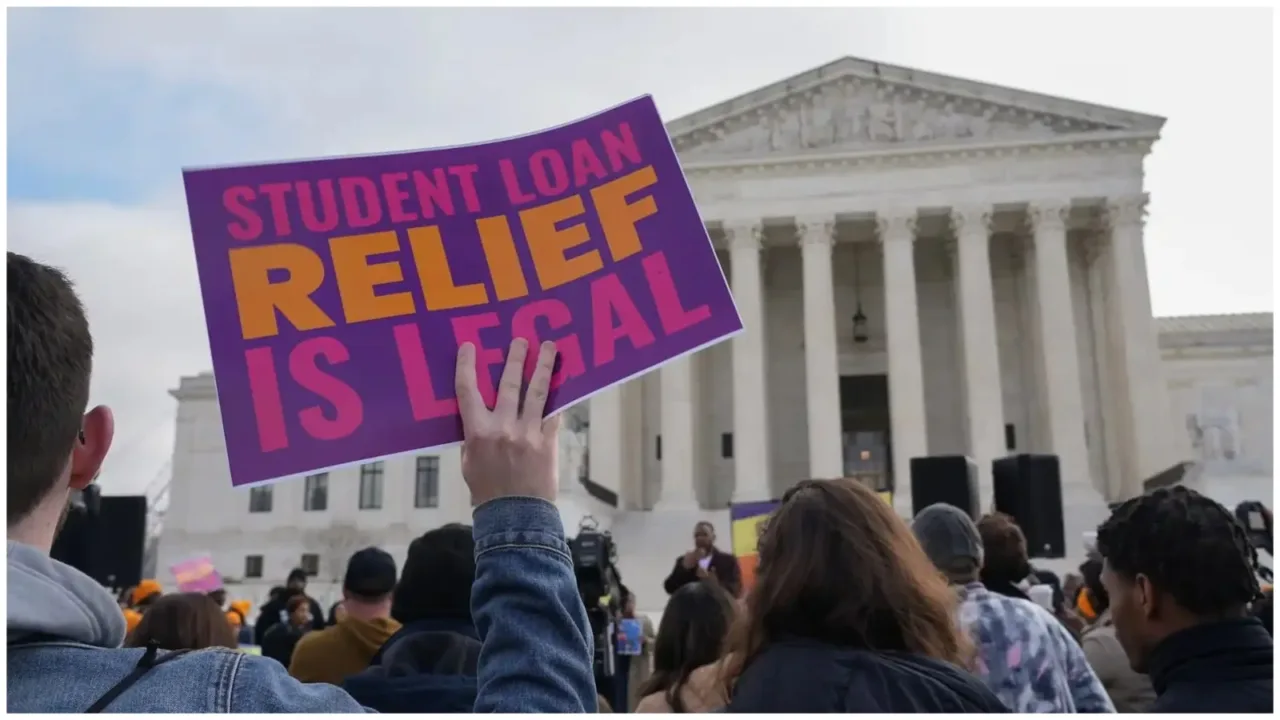
The U.S. Department of Education is now taking a massive step toward student loan forgiveness for thousands of borrowers. Let’s dive deep into the details of who qualifies and how the process works.
RELATED READS: Expat Loan in UAE: du Pay and Deem Finance Launch New Digital Credit for Expats
UAE Central Bank Removes Minimum Salary Requirement for Personal Loans: Are You Eligible?
Student Loan Forgiveness: 164,000 Borrowers Notified of Automatic Discharge
This section explores the latest announcement regarding federal debt relief for victims of institutional misconduct.
The landscape of higher education debt is shifting as the federal government initiates a new wave of student loan forgiveness. Approximately 164,000 individuals are being contacted to determine if their debt will be wiped out due to school related issues.
This move follows years of scrutiny regarding how certain institutions market their programs. For many, this notification represents the final resolution of a long-standing financial burden.
What is the Borrower Defense to Repayment?
An overview of the legal framework that allows students to seek relief from predatory school practices.

The primary mechanism behind this relief is the borrower defense to repayment rule. This federal law protects students who were misled or defrauded by their colleges or universities.
If a school lied about its graduation rates or the average salary of its graduates, students have a legal right to seek a discharge. The current round of student loan forgiveness is a direct result of these institutional failures.
Key aspects of this rule include
- Protection against deceptive marketing practices.
- Relief for schools that misrepresented the total cost of degrees.
- Accountability for institutions that provided misleading employment data.
Why 150 Colleges are Facing Misconduct Accusations
Understanding why over 150 institutions have been flagged by the Department of Education.

The federal government has identified over 150 institutions where for profit college misconduct was prevalent. These schools often prioritized profit margins over student outcomes, leading to significant debt for degrees with limited market value.
While the full list remains private, the focus is on schools that engaged in
- Falsifying job placement statistics to attract new enrollments.
- Providing inaccurate information regarding the transferability of credits.
- Hiding the true financial obligations of federal loans.
Because of this for profit college misconduct, the Department of Education is now fast-tracking student loan forgiveness for those specific cases.
Important Career Update; ‘OpenAI’ CEO Issues Urgent Warning on Future Jobs and Education Changes
Understanding Federal Student Loan Discharge Eligibility
A breakdown of who qualifies for the automatic discharge and the types of loans covered.
Not every student loan is eligible for this program. A federal student loan discharge is strictly limited to debt backed by the government.
Borrowers should know the following
- Automatic Relief: If you attended a flagged school and your claim is approved, the discharge happens automatically.
- Notification: You will receive an email stating whether you are ‘Eligible’ or ‘Ineligible’.
- Documentation: The department reviews whether the school’s misconduct directly influenced your decision to borrow.
It is important to remember that a federal student loan discharge does not apply to private lenders, even if the school was at fault.
The Role of Automatic Loan forgiveness in 2026
How the government is streamlining the debt relief process for affected borrowers.
The current administration has emphasized automatic loan forgiveness to reduce the bureaucratic hurdles for borrowers. Instead of waiting years for an application review, 164,000 people are seeing immediate action.
The benefits of automatic loan forgiveness include
- No additional paperwork for those already identified in the system.
- Immediate cessation of payment requirements for eligible balances.
- Potential refunds for payments already made toward fraudulent debt.
This proactive approach ensures that student loan forgiveness reaches those who need it most without further delay.
Limitations: Federal vs. Private Loans
A critical look at why private loan borrowers are excluded from this relief.
While student loan forgiveness is a lifesaver for many, it highlights a major gap in the system. Private student loans are not covered under the borrower defense to repayment framework.
If your debt is held by a private bank, you will likely need to continue repayments. The government only has the authority to discharge loans that it owns or guarantees.
Next Steps for Borrowers
What to do if you receive a notification or if your application is denied.
If you are part of the 164,000, keep a close watch on your official government registered email. If your request for student loan forgiveness is denied, you will receive a detailed explanation.
Borrowers who are denied can
- File an appeal if they have new evidence of school misconduct.
- Look into other repayment plans, such as income driven repayment.
- Consult with a student loan advisor to explore further options.
Conclusion
This latest round of student loan forgiveness provides a fresh start for 164,000 borrowers. By holding schools accountable for for profit college misconduct, the Department of Education is ensuring a fairer future for all students.
FAQ
1. How do I know if I qualify for student loan forgiveness? The Department of Education will send an email notification to the 164,000 eligible borrowers. You can also check your status on the official Federal Student Aid website.
2. Is there a list of the 150 colleges involved? A comprehensive public list for this specific round has not been released, but it primarily includes for-profit institutions accused of deceptive practices.
3. Does this apply to private student loans? No. This discharge process only applies to federal student loans. Private loans do not qualify for borrower defense relief.
4. Will I get a refund for payments I already made? In many cases, yes. If your federal student loan discharge is approved, you may be eligible for a refund of past payments made on those specific loans.
5. What should I do if my application is denied? The notification will explain the reason for denial. You can usually appeal the decision or apply for other relief programs like Income-Driven Repayment (IDR).
ALSO READ: UAE Education Changes 2026 Explained: New School Rules, Calendar, Attendance, Fridays Timing