

Published: Friday, 8 May 2026, at 10:21 pm| Dubai | Edited: Friday, 8 May 2026, at 10:36 pm
The recent outbreak on the MV Hondius has forced health officials to update the global Hantavirus Map rapidly. To understand how this virus is spreading and what it means for global travelers, read this detailed guide below to stay informed and safe.
RELATED READS: UAE health insurance services: How to manage the rising heat and access top care?
Health Insurance in the UAE: What Expats Forget to Check
The New ‘ChatGPT Health’ Feature: A Game Changer or a Privacy Nightmare?
Hantavirus Map: Tracking the Global Footprint of the 2026 Outbreak
The Hantavirus Map currently spans four continents, identifying 13 nations with potential or confirmed infections. This investigation follows the departure of the MV Hondius from Argentina. The primary areas highlighted on the map include
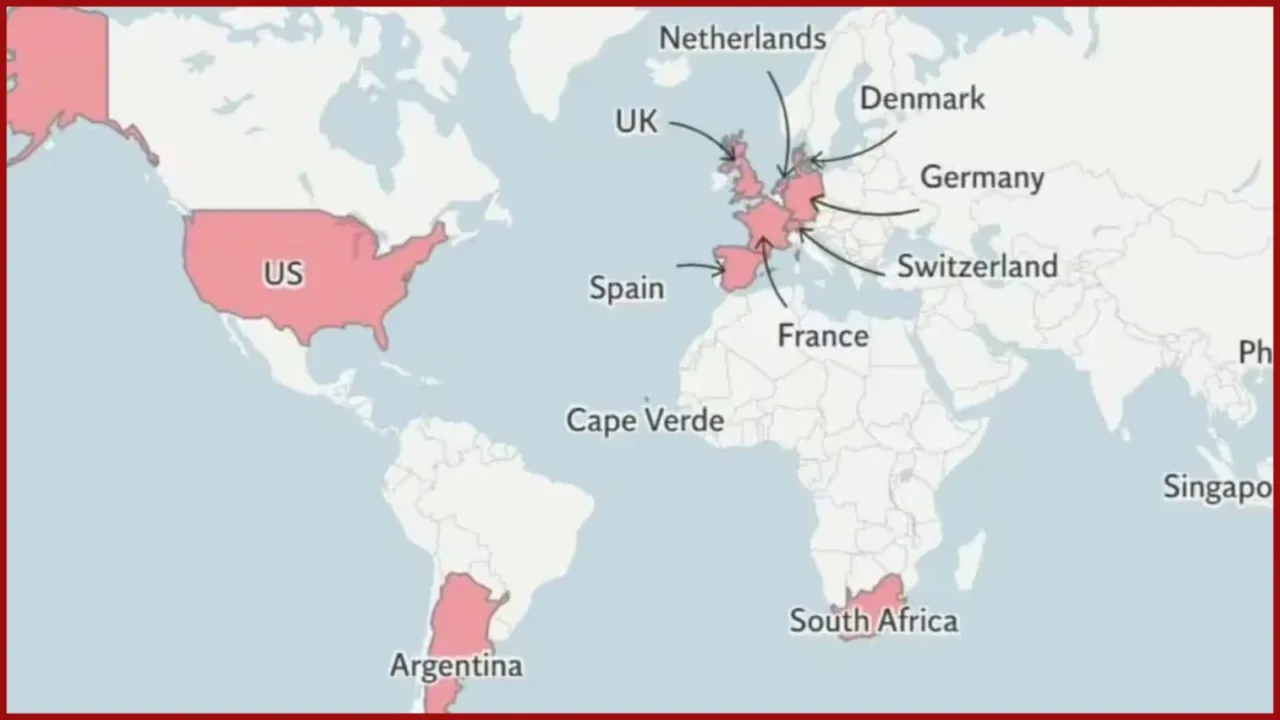
- South America: Argentina, Chile, Uruguay (Initial exposure sites).
- Europe: UK, Netherlands, France, Spain, Germany, Denmark, Switzerland.
- Africa: South Africa and Cape Verde.
- Asia: Singapore and the Philippines.
Hantavirus Infections Cruise Ship: The MV Hondius Incident
Exploring how a maritime journey became the center of an international health investigation.

The Hantavirus Infections Cruise Ship outbreak began when a Dutch couple, who had visited multiple South American countries, boarded the vessel. International health bodies verified the virus on May 2. While the ship is expected to dock in Tenerife, governments are racing to trace former passengers. Despite the high alert, the WHO confirms that the risk to the general public remains low.
Understanding Hantavirus Symptoms and Early Signs
Identifying the first indicators of the virus is crucial for early medical intervention.
Recognizing Hantavirus Symptoms is the first step in managing the disease. The incubation period typically lasts 1 to 8 weeks. Early signs often mimic the common flu, making it difficult to diagnose without a travel history.
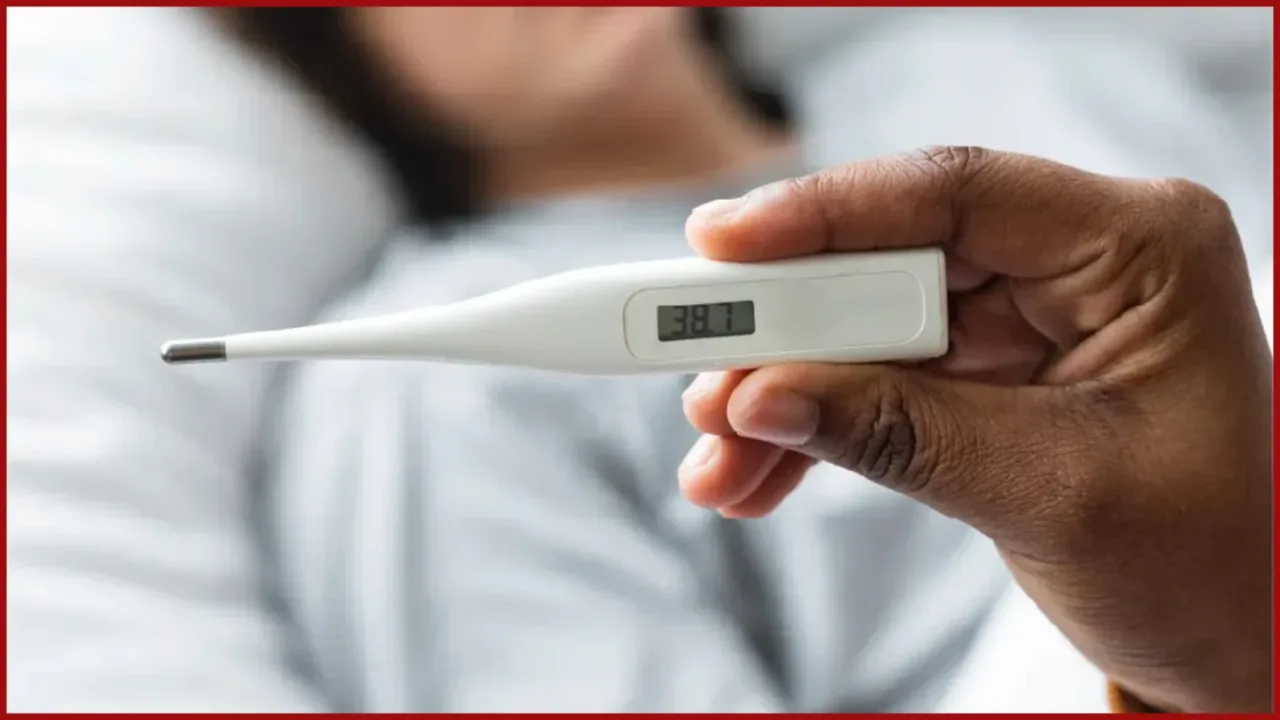
- High Fever: A sudden, intense spike in body temperature accompanied by chills.
- Severe Muscle Aches: Pain specifically in the thighs, hips, and back.
- Extreme Fatigue: Feelings of exhaustion that occur before respiratory issues begin.
- Digestive Distress: Abdominal pain, vomiting, and diarrhea are common early Hantavirus Symptoms.
Progression to Hantavirus Pulmonary Syndrome
A look at the life threatening respiratory phase of the infection.
If the virus progresses, the Hantavirus Symptoms become significantly more dangerous, usually 4 to 10 days after the initial phase. This stage is known as Hantavirus Pulmonary Syndrome (HPS).
- Shortness of Breath: Patients feel as though they cannot get enough air into their lungs.
- Dry Cough: A persistent cough that does not produce mucus.
- Fluid Accumulation: The lungs may fill with fluid, causing the heart to work harder.
ALSO READ: Dubai Health Introduces Breakthrough Alzheimer Early Detection Service with Amyloid PET-CT
Emirates Sets New Industry Standard with Massive 20-Week Staff Bonus
Preventing Hantavirus Transmission and Rodent Exposure
Practical safety measures to reduce the risk of contracting the virus from the environment.
Preventing Hantavirus Transmission is primarily about managing exposure to rodents. The virus is typically contracted by breathing in air contaminated with rodent droppings, urine, or saliva.
- Seal Entry Points: Ensure rodents cannot enter your home or workspace.
- Safe Cleaning: Use disinfectants when cleaning areas where rodents have been.
- Personal Protection: Wear masks and gloves in high risk areas to stop Hantavirus Transmission.
- Avoid Contact: Do not handle live or dead rodents without professional equipment.
Global Health Response and Repatriation Efforts
How the UKHSA and WHO are managing the Hantavirus Map data to protect citizens.
The Global Health Response has been swift, with agencies using the Hantavirus Map to coordinate a massive tracing effort. The UKHSA has confirmed that British nationals not showing symptoms will be repatriated via dedicated flights. However, a strict 45 day isolation period is mandatory upon return to the UK to ensure no late stage symptoms develop and to prevent any potential Hantavirus Transmission. This Global Health Response is vital for containment.
Conclusion
Monitoring the Hantavirus Map remains a top priority for international health bodies. By following strict isolation protocols and maintaining a robust Global Health Response, experts believe this will remain a limited outbreak.
FAQ
- 1. Is hantavirus contagious between people? It does not spread easily between humans. Most people catch it by breathing in dust contaminated by rodent waste.
- 2. What should I do if I was on the MV Hondius? You should contact your local health authority immediately and follow the 45-day isolation protocol as part of the current tracking on the Hantavirus Map.
- 3. Which countries are currently on the Hantavirus Map? Countries include the UK, Netherlands, Argentina, South Africa, Singapore, and Philippines, among others.
- 4. Can hantavirus be cured? There is no specific cure, but early medical care in an intensive care unit can help patients recover from respiratory distress.
ALSO READ: Explore OPEC and OPEC+: What It Means to the World







3 thoughts on “Hantavirus Global Alert: Symptoms, Risks, and Everything You Need to Know”