

Hantavirus Alert in Kuwait Raises alarm: What It Means for UAE and GCC Residents
The recent Hantavirus alert in Kuwait has sparked concern across the Gulf region, especially in neighboring countries such as the UAE, Saudi Arabia, Qatar, Bahrain, and Oman. Although no large-scale outbreak has been confirmed, regional health authorities are taking precautionary measures to prevent the spread of rodent-borne infections.
Hantavirus is a rare but potentially serious disease transmitted mainly through contact with infected rodents, their urine, saliva, or droppings. The virus does not usually spread from person to person, but exposure to contaminated environments can increase infection risks.
Also Read: Hantavirus Map: 13 Nations on Critical Alert After Outbreak
BA.3.2 Cicada Variant: Complete Guide to Symptoms and Risks
Kuwait withdraws citizenship from 316 individuals: New Scam
Why the Hantavirus Alert in Kuwait Matters to GCC Countries
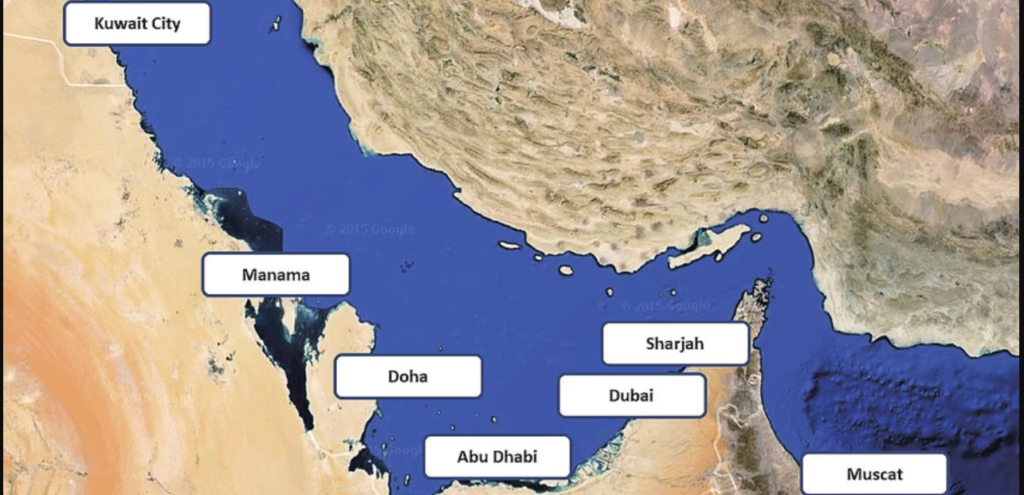
Kuwait’s hantavirus alert is being closely monitored because Gulf countries share the following:
- High travel connectivity
- Similar climate conditions
- Dense urban populations
- Shared labor movement across borders
- Comparable public health challenges related to sanitation and pest control
The UAE, in particular, has intensified health surveillance at airports and public facilities as a preventive measure. Experts believe the possibility of widespread transmission remains low, but preparedness is essential.
GCC Health Alert and Key Concerns for the Region
- Increased movement of people between Gulf countries
- Rising temperatures that may impact rodent activity
- Construction zones attracting rodents in urban areas
- Food storage and waste management concerns
- Public awareness gaps regarding rare viral infections
Health authorities across the GCC are encouraging residents to maintain hygiene and avoid direct contact with rodents or contaminated surfaces.
Countries on Alert Following Kuwait’s Hantavirus Situation
| Country | Current Status | Preventive Measures |
|---|---|---|
| Kuwait | Active health alert | Surveillance and awareness campaigns |
| UAE | Monitoring closely | Airport screening and sanitation checks |
| Saudi Arabia | Preventive readiness | Public health advisories issued |
| Qatar | Heightened observation | Municipal pest-control efforts |
| Bahrain | Low-risk monitoring | Hospital preparedness review |
| Oman | Preventive alert | Rodent control and hygiene awareness |
The UAE Ministry of Health and local municipalities are expected to coordinate closely with regional agencies to monitor developments. Authorities may also increase inspections in food markets, warehouses, and labor accommodations.
Also Read: Saudi Pro League: Al Nassr’s 2026 Title Dream in Question?
Gulf Job Trends 2026: How to Land a Dream Job in the GCC
UAE health insurance services: Heat safety & EHS updates
How the UAE Could Be Affected
While there are currently no confirmed cases linked to the UAE, the country remains cautious due to its international connectivity and large expatriate population. Public health experts suggest that the impact and the UAE hantavirus risk would likely remain limited if preventive measures are maintained.
Possible reflections on the UAE include the following:
- Increased health screenings in sensitive sectors
- More pest-control campaigns in residential areas
- Public advisories on hygiene and sanitation
- Temporary concern among travelers and businesses
- Greater regional cooperation on disease monitoring
The UAE already has advanced healthcare infrastructure, which gives it a strong advantage in handling infectious disease threats.
Symptoms People Should Watch For

Hantavirus symptoms may appear one to eight weeks after exposure. Early signs often resemble flu-like illnesses.
Common Symptoms
- Fever and chills
- Muscle aches
- Fatigue
- Headaches
- Dizziness
- Nausea or vomiting
Severe Symptoms
- Difficulty breathing
- Chest pain
- Lung complications
Medical attention should be sought immediately if symptoms worsen, especially after possible exposure to rodents or contaminated environments.
HantaVirus Prevention for UAE and GCC Residents
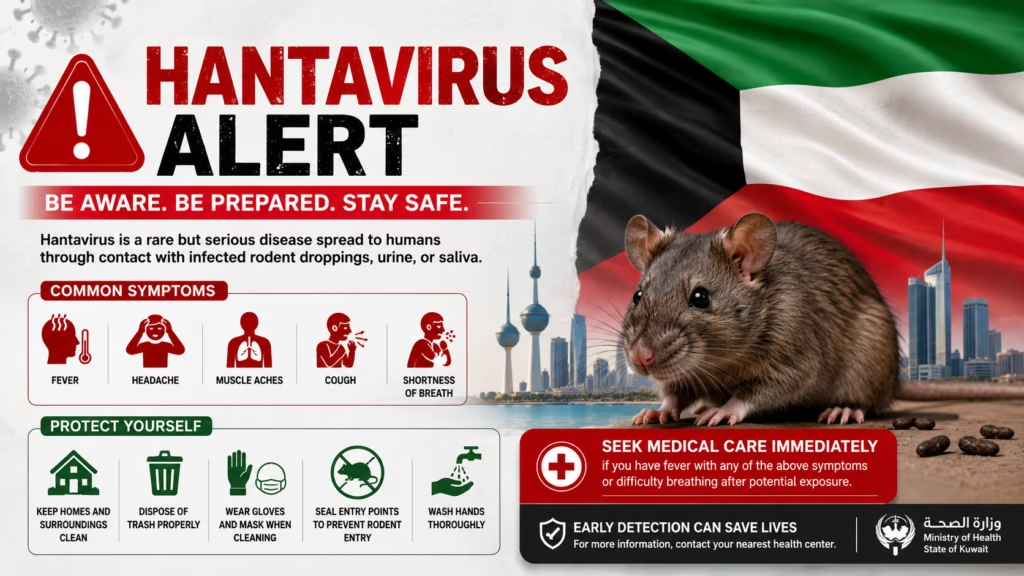
Health experts across the region recommend simple but effective precautions:
- Keep homes and workplaces clean
- Seal holes or gaps where rodents can enter
- Store food properly
- Dispose of garbage regularly
- Avoid touching dead rodents directly
- Wear gloves and masks while cleaning dusty storage areas
- Contact pest-control services if infestation signs appear
Public awareness will play a major role in limiting panic and preventing misinformation.
Also Read: Addo Creative Candles Safety Alert: Asbestos Risk in UAE
UEFA Champions League Final 2026: Find out the predictions
Minimum Salary for Personal Loan in UAE (2026 Guide): Real Requirements, Tips & Approval Secrets
Regional Preparedness Is the Key
The Hantavirus alert in Kuwait is unlikely to develop into a major regional crisis, but it serves as a reminder that infectious disease preparedness remains essential in the GCC. The COVID-19 pandemic already taught Gulf countries the importance of rapid response systems, public communication, and regional cooperation.
The UAE and other GCC nations are expected to continue monitoring the situation carefully while reinforcing preventive health measures. For now, experts emphasize caution rather than alarm.
FAQs
What is hantavirus?
Hantavirus is a rare virus mainly spread through infected rodents and contaminated environments.
Is hantavirus contagious between humans?
Most hantavirus strains are not commonly transmitted from person to person.
Has the UAE reported hantavirus cases?
As of now, there are no major confirmed outbreaks reported in the UAE.
How dangerous is hantavirus?
It can become serious if untreated, especially when it affects the lungs and respiratory system.
How can GCC residents protect themselves?
Maintaining hygiene, proper sanitation, and avoiding rodent exposure are the best preventive measures.
Should travelers be worried about Kuwait’s hantavirus alert?
Health authorities currently advise caution and hygiene awareness rather than panic or travel restrictions.
Also Read: School Holiday: UAE Announces 9 Day Eid Al Adha Break







3 thoughts on “Kuwait Issues Hantavirus Alert: Why the GCC Is Suddenly Paying Attention”