
Published: Friday, 27 March 2026, at 5:13 pm | Dubai | Edited: Friday, 27 March 2026, at 6:17 pm
Health authorities are closely monitoring a new strain of the coronavirus emerging in 2026. To understand the risks and how to protect yourself, read our detailed guide on the BA.3.2 Cicada variant below.
RELATED READS: ‘Super Flu’ Alert: What Is Subclade K and Why Doctors Are Concerned This Winter
Health Insurance in the UAE: What Expats Forget to Check
BA.3.2 Cicada Variant: Everything You Need to Know About Symptoms, Risks, and Global Spread

A new subvariant of the Omicron lineage, scientifically labeled as BA.3.2 and nicknamed ‘Cicada‘, has officially been detected in the United States. While the world has become accustomed to various iterations of the virus, the BA.3.2 Cicada variant is attracting specific attention from the World Health Organization (WHO) and the CDC due to its unique evolutionary path.
What is the BA.3.2 Cicada Variant of COVID-19?
A brief look at the origins and classification of this newly monitored Omicron sublineage.
The BA.3.2 Cicada variant is a descendant of the BA.3 Omicron lineage, which was prominent in early 2022 but had largely faded away. Scientists gave it the nickname ‘Cicada’ because, much like the insect, it seemed to remain ‘underground’ or undetected for a long period before re-emerging with significant changes.
In December 2025, the WHO classified this strain as a ‘Variant Under Monitoring’ (VUM). This status indicates that while it is not yet a ‘Variant of Concern,’ health agencies need to track its spread across borders. The variant was first identified in South Africa in late 2024 and has since moved into Europe, Australia, and North America.
Common New COVID Variant Symptoms to Watch For
Identifying the physical signs associated with the BA.3.2 strain based on early patient reports.
So far, the clinical picture of this variant appears similar to previous Omicron waves. Most individuals who contract the virus report mild to moderate respiratory issues. The new COVID variant symptoms observed in 2026 include

- Persistent Cough: A dry or productive cough is common.
- Extreme Fatigue: Many patients report feeling unusually tired.
- Nasal Congestion: Runny or stuffy nose remains a primary sign.
- Sore Throat: Often described as a scratchy or painful sensation.
- Headaches and Body Aches: General discomfort throughout the muscles.
- Mild Fever: Not all patients have high temperatures, but low-grade fevers are reported.
Less common symptoms reported with the BA.3.2 Cicada variant include night sweats, skin rashes, and occasionally a temporary loss of taste or smell, though the latter is rarer than it was with the original Delta strain.
Understanding the COVID-19 Mutation Risks
An analysis of why the high number of genetic changes in BA.3.2 is concerning for scientists.
What sets this variant apart is its massive mutation profile. The COVID-19 mutation risks are heightened because BA.3.2 carries over 50 mutations in its spike protein alone. When compared to the original strain from Wuhan, it has more than 70 genetic differences.
- Biological Behavior: These mutations could change how the virus attaches to human cells.
- Transmissibility: There is concern that these changes make the virus spread faster than previous subvariants.
- Detection: Mutations can sometimes make it harder for standard tests to identify the virus quickly.
Despite these COVID-19 mutation risks, early data from 2026 suggests that the human body’s T-cell response, built up through prior infections and vaccines—is still providing a strong baseline of protection against severe illness.
ALSO READ: The New ‘ChatGPT Health’ Feature: A Game Changer or a Privacy Nightmare?
Dubai Health Introduces Breakthrough Alzheimer Early Detection Service with Amyloid PET-CT
BA.3.2 Immune Evasion: Can It Bypass Vaccines?
Exploring how the new mutations might affect existing immunity from shots and past infections.
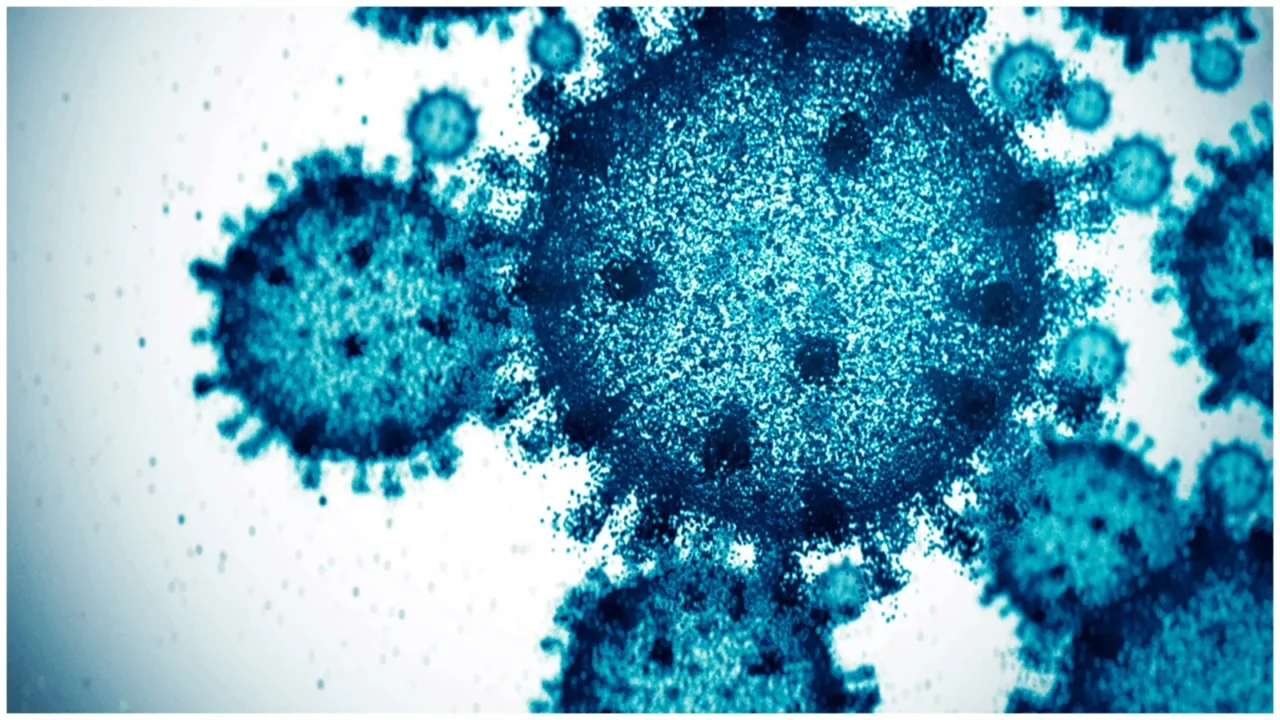
The primary reason experts are wary of this strain is BA.3.2 immune evasion. Preliminary lab assessments indicate that the variant has the potential to partially hide from the antibodies generated by older vaccines or previous infections from strains like BA.5 or JN.1.
- Antibody Resistance: The high number of mutations in the spike protein serves as a ‘disguise’ against circulating antibodies.
- Vaccine Efficacy: While the BA.3.2 Cicada variant might cause more ‘breakthrough’ infections, existing vaccines remain highly effective at preventing hospitalization.
- Treatment Impact: Doctors are watching to see if monoclonal antibody treatments need adjustment to remain effective against BA.3.2 immune evasion.
COVID-19 UAE Updates: Potential Impact on the Region
Assessing the risk level and readiness for the Cicada variant in the United Arab Emirates.
As a global travel hub, the UAE remains vigilant regarding new strains. According to current COVID-19 UAE updates, there has been no official report of a massive surge linked to BA.3.2 in Dubai or Abu Dhabi as of March 2026. However, because the variant has been found in Europe and the US, its arrival in the Middle East is likely.
- Surveillance: The UAE’s advanced genomic sequencing labs are actively screening arrivals to detect the BA.3.2 Cicada variant early.
- Healthcare Readiness: Hospitals in the UAE remain well equipped with the latest antivirals and oxygen support systems.
- Public Policy: Currently, there are no plans for lockdowns or travel restrictions, as the variant does not appear to cause a spike in ICU admissions.
Residents are encouraged to follow the latest COVID-19 UAE updates from the Ministry of Health and Prevention (MoHAP) and ensure they are up to date with available booster shots.
Does BA.3.2 Cause More Severe Disease?
Comparing the severity and hospitalization rates of the Cicada variant to previous strains.
The most important question for the public is whether this variant is more ‘deadly’. Fortunately, the current consensus is that the BA.3.2 Cicada variant does not lead to more severe disease.
Data from wastewater surveillance and hospital records show
- Stable Mortality: Death rates have not climbed alongside the detection of BA.3.2.
- Upper Respiratory Focus: The virus seems to stay in the throat and nose rather than settling deep in the lungs.
- Vaccinated Protection: Most severe cases are still occurring in individuals with significant underlying health conditions or those with zero immunity.
Conclusion
While the BA.3.2 Cicada variant represents a significant evolutionary step for COVID-19, it is not currently a cause for panic. By staying aware of new COVID variant symptoms and following local health guidelines, the global community can manage this variant effectively.
FAQ
1. Why is BA.3.2 called the ‘Cicada’ variant? It is nicknamed Cicada because it evolved silently for a long period before re-emerging globally in late 2025.
2. Are the new COVID variant symptoms different from before? No, they are very similar to previous Omicron strains, focusing on cough, fatigue, and sore throat.
3. Is there a high risk of BA.3.2 immune evasion? Yes, it has a high potential to evade some antibodies, but vaccines still protect against severe illness and death.
4. What are the latest COVID-19 UAE updates regarding BA.3.2? The UAE is currently monitoring the situation through genomic sequencing, but no major restrictions are in place.
5. How dangerous are the COVID-19 mutation risks for BA.3.2? The mutations make it spread easily, but current data shows no increase in disease severity or hospitalizations.
ALSO READ: Emirates Health Services Issues New UAE School Health Guide to Protect Students