Thursday, 12 February 2026| United Arab Emirates| PUBLISH TIME: 5:48 am
The tragic events in British Columbia have left a nation in mourning. In this article, we look at the Canada gun laws and mass shootings history to understand the legislative changes following such heart-wrenching violence.
ALSO READS: The Dangerous NeeDoh Microwave-TikTok Trend: What Parents Need to Know After The American Boy’s Injury
Trump’s Trap or Modi’s Masterstroke? Decoding the Terrifying Trade-off Involving Russia and China
Canada gun laws and mass shootings; A Nation in Mourning
The recent tragedy at Canada School Shooting in Tumbler Ridge has once again brought the conversation around Canada gun laws and mass shootings to the forefront of national debate. As we remember the innocent lives lost in British Columbia, the focus shifts to how the country regulates firearms to prevent such sorrow from repeating.
A Dark Day in Tumbler Ridge; Remembering the Victims
A reflection on the tragic school shooting in British Columbia and its impact on the community.
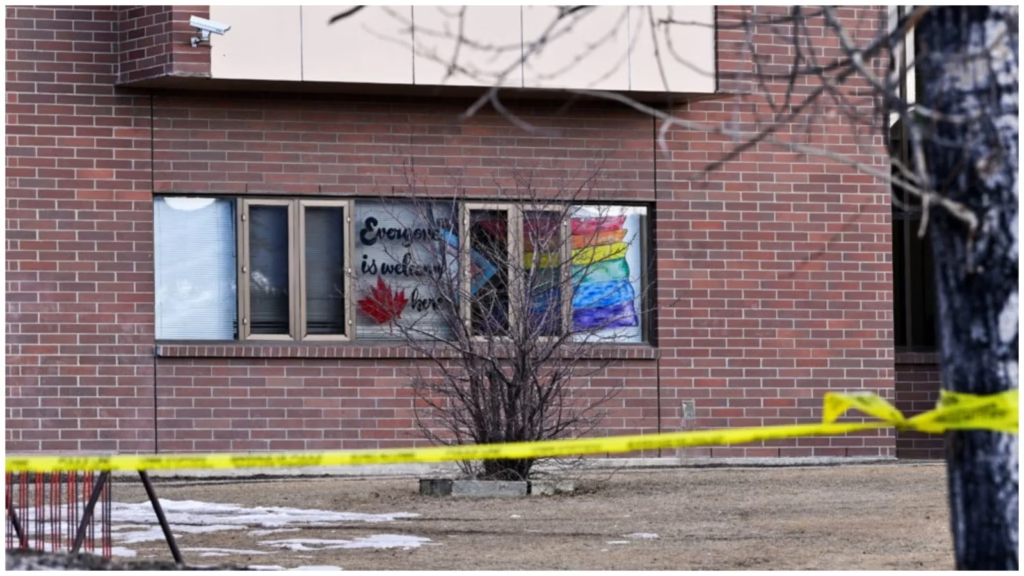
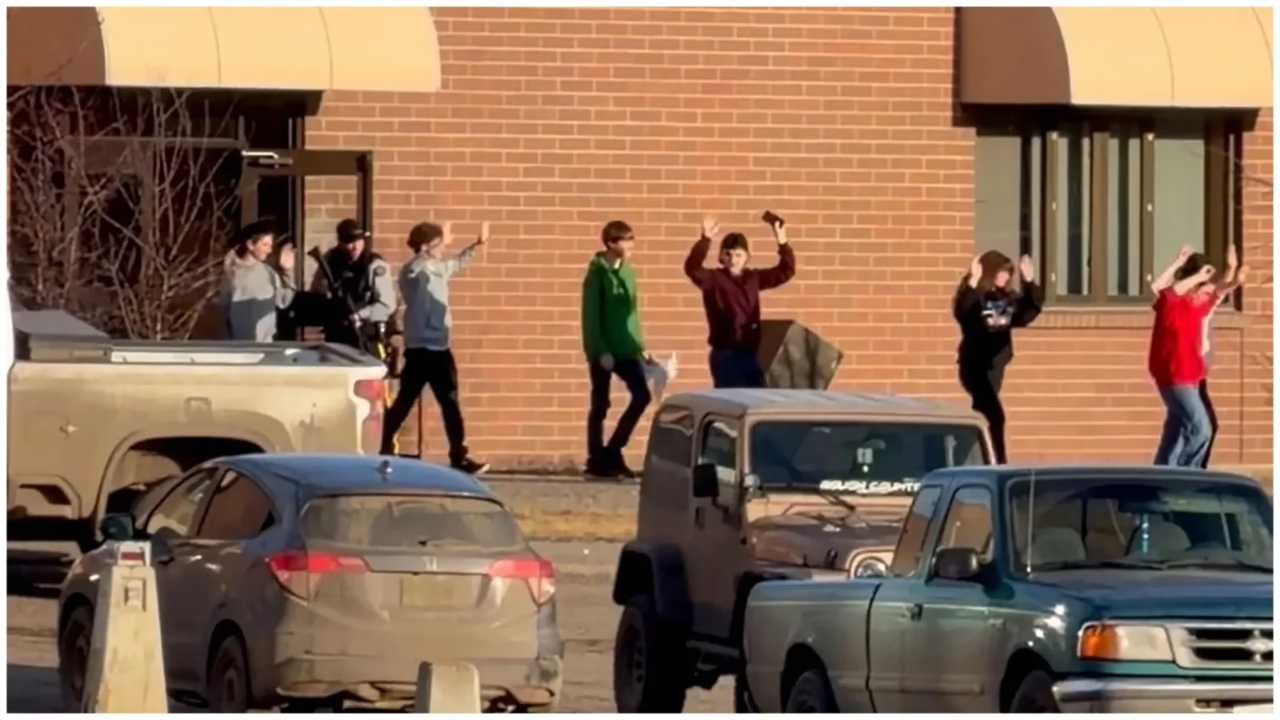
On a quiet Tuesday afternoon in the small town of Tumbler Ridge, the peace was shattered by a senseless act of violence. Canada School Shooting in Tumbler Ridge At approximately 1:20 pm, gunfire erupted at Tumbler Ridge Secondary School, leading to a scene of chaos and profound sadness.
- The Loss of Life: Authorities have confirmed that 10 individuals lost their lives, including the suspected gunman.
- The Injured: More than two dozen people were injured, carrying scars that may never fully heal.
- A Community in Grief: Families are now facing an unimaginable void, and the entire nation stands in solidarity with the 2,400 residents of this remote town.
- A Connected Tragedy: Investigators found additional victims at a nearby residence, suggesting the tragedy extended beyond the school walls.
The victims were students, educators, and neighbors, people with dreams and futures that were cruelly cut short. As the community gathers for vigils, the call for answers grows louder.
Understanding the Current Canada Gun Laws and Mass Shootings Link
Analyzing the existing legal framework for firearm ownership in Canada.
In the wake of Canada School Shooting in Tumbler Ridge, many are asking how such weapons end up in schools. While Canada has stricter regulations than many other countries, the link between Canada gun laws and mass shootings remains a point of intense scrutiny. The legal framework is built on a specific classification system:
- Classification of Firearms: Under Canada’s Firearms Act, guns are divided into three categories:
- Non-Restricted: Ordinary rifles and shotguns used for hunting and sport.
- Restricted: Certain handguns and semi-automatic firearms requiring special training.
- Prohibited: Fully automatic weapons and military grade firearms, which are illegal for most civilians.
- The Handgun Freeze (2022): The government implemented a national freeze on handguns. While current owners can keep their weapons, they cannot sell them or buy new ones, effectively capping the number of handguns in the country.
- Red Flag Laws: These laws allow citizens or police to petition the court to remove firearms from individuals who pose a danger to themselves or others due to mental health or domestic violence concerns.
- Gun Buy-back Program: To reduce gun violence in British Columbia, the government offers financial compensation for the surrender of prohibited ‘assault-style’ weapons.
- The Smuggling Challenge: A major hurdle in firearm regulations in Canada is the 8,891km border with the US. Many illegal weapons used in crimes are smuggled from the south, where laws are less restrictive.
The History of Gun Control Legislation in Canada
A look at how past tragedies have shaped the nation’s firearm policies.
History shows that firearm regulations in Canada are often written in the aftermath of blood and tears. Decades of violence have prompted lawmakers to tighten the grip on gun ownership.
- 1989 École Polytechnique: The murder of 14 women led to the creation of tougher penalties and the universal firearms registry.
- 2020 Nova Scotia Rampage: Canada’s deadliest shooting prompted an immediate ban on military-grade weapons like the AR-15.
- The SKS Debate: While many semi-automatic rifles are banned, the SKS remains legal for hunting, leading to ongoing debates about its safety.
Each legislative step aims to reduce gun violence in British Columbia and across all provinces, yet the debate between public safety and the rights of law-abiding hunters continues.
Quick Guide: Essential Ramadan Rules and Penalties in the UAE
The Challenge of Illegal Firearms and Smuggling
Examining the impact of illegal weapon flows on Canadian public safety.
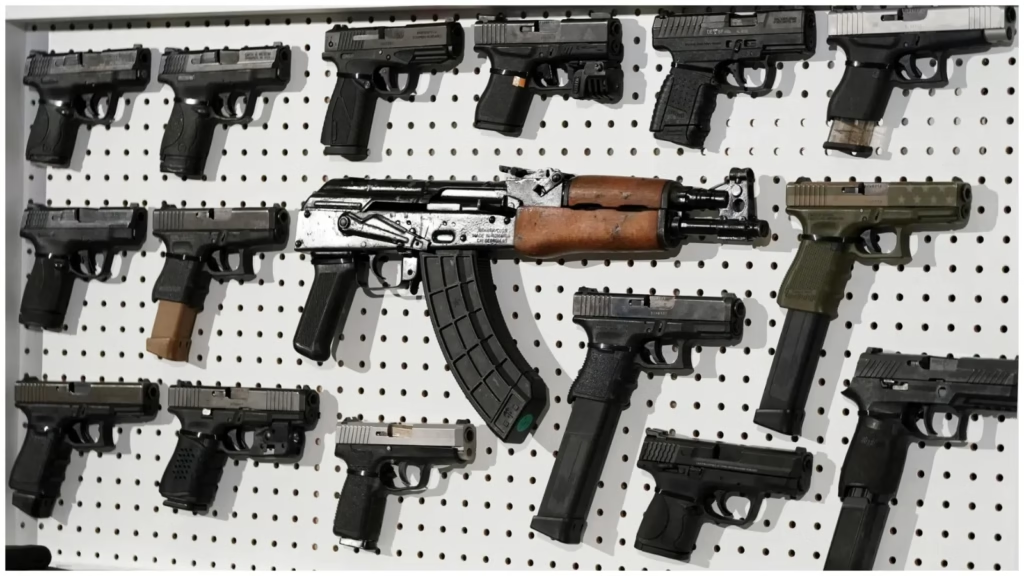
One of the greatest hurdles to effective Canada gun laws and mass shootings prevention is the proximity to the United States. The illegal flow of weapons across the border complicates domestic efforts to curb violence.
- Border Smuggling: Many firearms used in Canadian crimes are traced back to illegal entry from the south.
- Ghost Guns: The rise of untraceable, homemade firearms presents a new technological challenge for the RCMP.
- Buy-Back Programs: The government’s gun buy-back program aims to remove prohibited weapons from circulation, though participation rates vary by region.
Red Flag Laws and Mental Health
How proactive reporting can prevent future school shootings.
To protect schools and public spaces, Canada has implemented ‘Red Flag’ laws. These allow citizens to report individuals who may pose a danger to themselves or others.
- Immediate Intervention: Courts can order the immediate seizure of firearms if a threat is identified.
- Domestic Safety: These laws are crucial in keeping weapons away from domestic abusers.
- Community Vigilance: The safety of a town like Tumbler Ridge relies on the ability of authorities to act before a crisis occurs.
Frequently Asked Questions (FAQ)
1. Are all semi-automatic rifles banned in Canada? No, while over 2,500 ‘assault-style’ models are banned, certain rifles like the SKS remain legal for hunting purposes pending further review.
2. How did the 2020 Nova Scotia shooting change the law? It led to an immediate federal ban on many military-grade weapons and initiated the current national gun buy-back program.
3. What is the “Handgun Freeze”? It is a law enacted in 2022 that makes it illegal to buy, sell, or bring new handguns into Canada, effectively capping the number of handguns in the country.
4. Can a person own a gun for self-defense in Canada? Generally, no. Firearm licenses are typically issued for hunting, target shooting, or collection purposes, rather than personal protection.
Conclusion
As we honor the memory of those lost in Tumbler Ridge, it is clear that the conversation surrounding Canada gun laws and mass shootings is far from over. True respect for the victims involves a relentless pursuit of safety, ensuring that no more families have to endure such profound heartbreak.
ALSO READ: Drink Drive Limit UK 2026: Everything You Need to Know About the New Strict Rules