Published: Wednesday, 1 April 2026, at 7:29 pm | Dubai | Edited: Wednesday, 1 April 2026 , at 08:37 pm
The world is currently facing a massive energy crisis that is changing our daily lives. Let’s look into the details of the Global Fuel Price Hike 2026 and how it affects your pocket.
RELATED READS: Strict Enforcement! Follow Two Rules or Be Denied Fuel Under New Fuel Safety Regulations in Saudi Arabia
How the Iran Conflict is Reshaping Life and Economy in the Gulf? A 2026 Survival Guide
Global Fuel Price Hike 2026: A Detailed Guide to the Current Energy Crisis
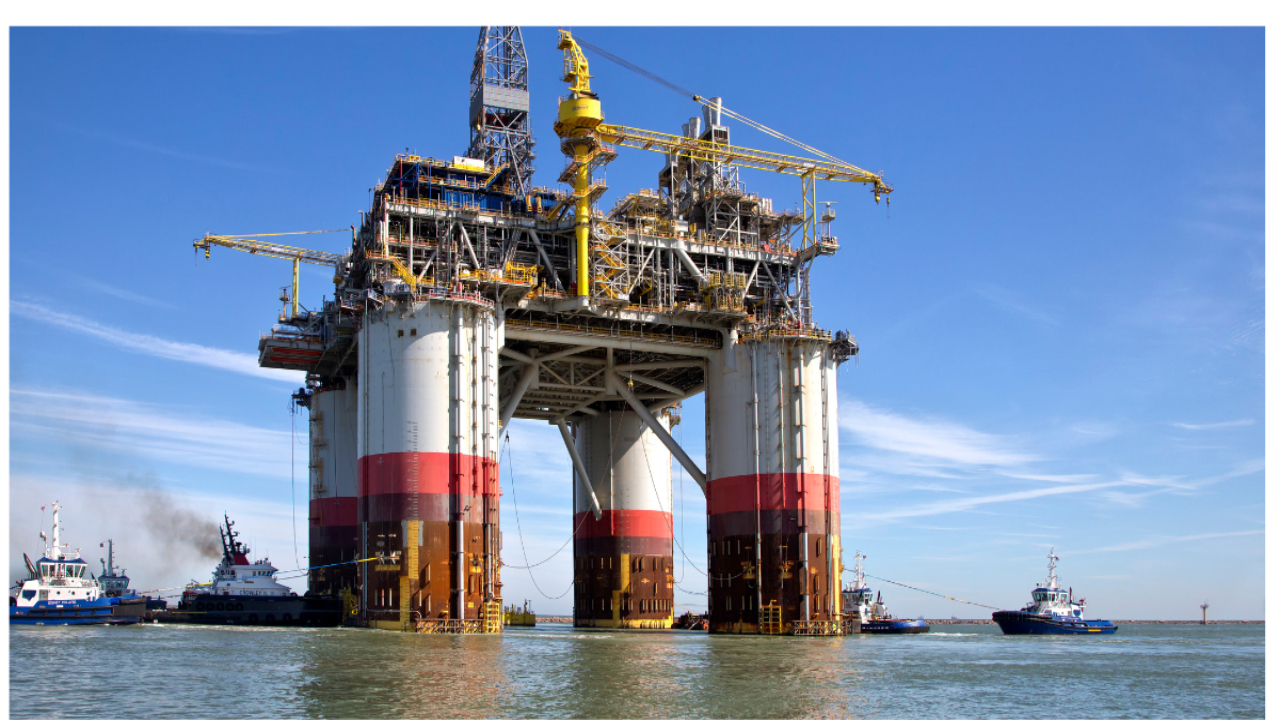
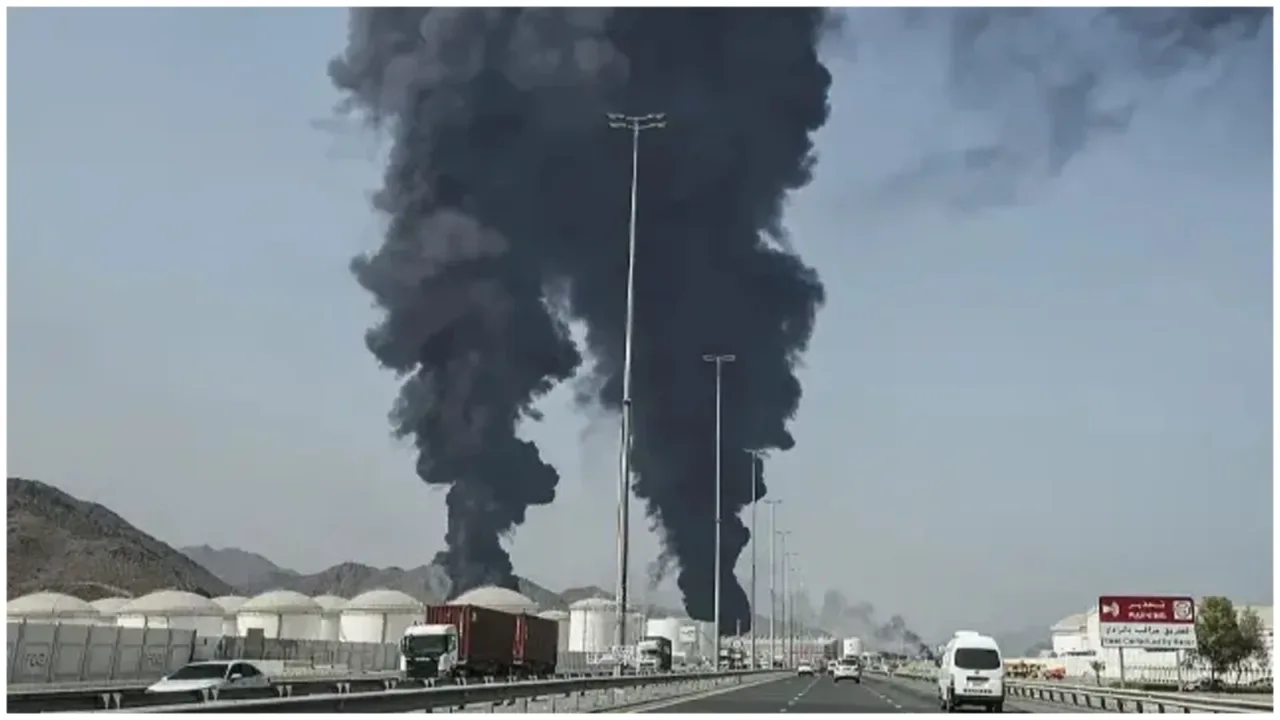
The Global Fuel Price Hike 2026 has hit the international market hard, with Brent crude oil prices touching $120 per barrel. This sudden surge is mainly due to the escalating conflict between the US, Israel, and Iran, coupled with the blockages in major sea routes. In this article, we will explain the economic consequences for the UAE, India, and other major nations.
The Impact of the Strait of Hormuz Closure Impact
This section explains how the blockage of a major sea route is driving up global oil prices.
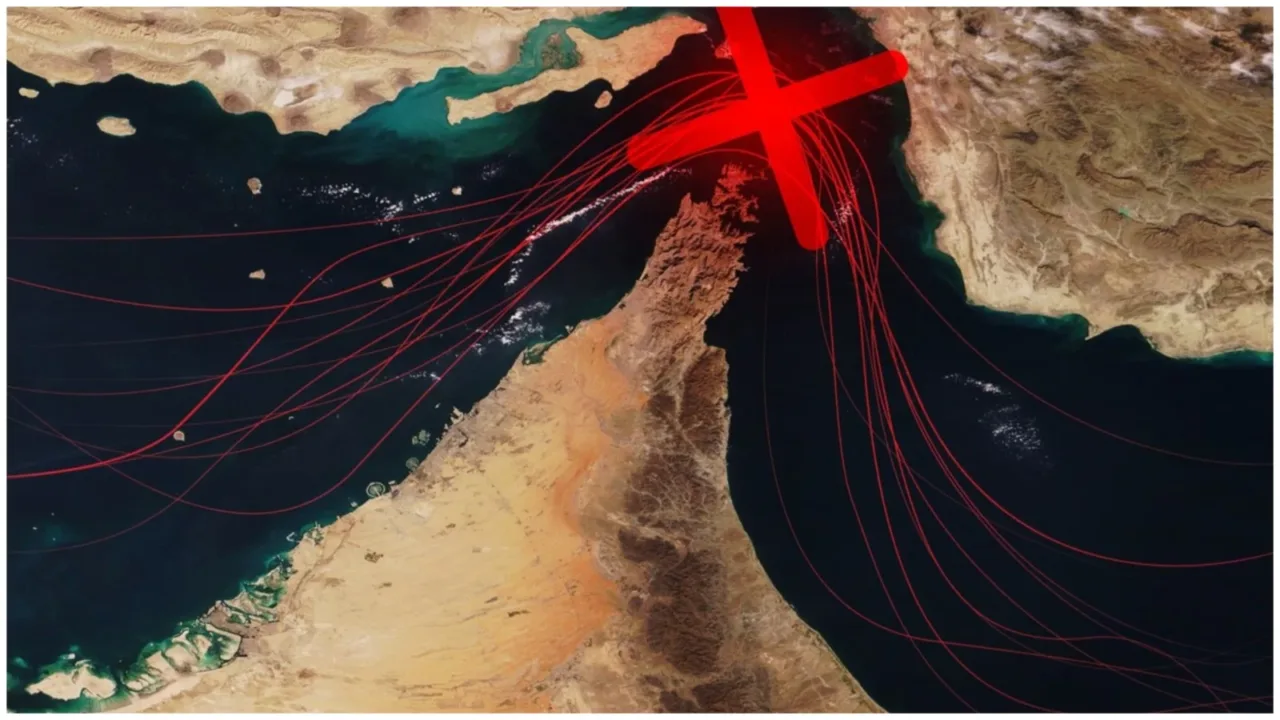
The primary driver behind the Global Fuel Price Hike 2026 is the Strait of Hormuz Closure Impact. Since nearly 20% of the world’s oil flows through this narrow passage, any disruption causes immediate panic in the market. Experts compare this situation to the oil crisis of the 1970s, but with much higher demand today.
- Daily oil supply has dropped significantly due to the blockage.
- The Strait of Hormuz Closure Impact has pushed crude prices to record levels.
- Shipping costs and insurance premiums for oil tankers have tripled.
- Global energy analysts predict prices could reach $150 if the passage remains closed.
UAE Fuel Price Committee Update for April
A look at the sharp rise in petrol and diesel prices within the United Arab Emirates.

In response to the market changes, the latest UAE Fuel Price Committee Update announced a massive jump in local prices starting April 1, 2026. The most shocking change was seen in diesel prices, which rose by 72%. This is expected to directly increase the cost of living and the price of delivered goods across the country.
- Super 98 is now Dh3.39 per litre, a 31% increase.
- Special 95 reached Dh3.28 per litre.
- The UAE Fuel Price Committee Update set Diesel at Dh4.69 per litre.
- Higher logistics and construction costs are expected following this Global Fuel Price Hike 2026.
Fuel Price Trends Across Other GCC Nations
A comparative look at how neighboring Gulf countries are managing the global energy crisis.
While the Global Fuel Price Hike 2026 has caused significant shifts in the UAE, other GCC nations like Saudi Arabia, Kuwait, Qatar, Bahrain, and Oman have maintained more stable retail prices. This is primarily due to heavy government subsidies and high domestic production levels which act as a shield against the Strait of Hormuz Closure Impact.
- Saudi Arabia & Kuwait: These nations continue to offer some of the lowest fuel prices globally, as the governments have absorbed the increased costs to protect local consumers.
- Qatar: Despite the global surge, Qatar has kept its fuel prices relatively steady, focusing on long-term energy security strategies.
- Oman & Bahrain: Both countries have seen minor adjustments in line with their fiscal reforms, but they remain significantly cheaper than the global average.
- Regional Strategy: Most GCC countries are closely monitoring the Global Fuel Price Hike 2026 to balance domestic stability with the rising costs of international oil exports.
Philippines Energy Emergency Status and Station Closures
Understanding the severe supply crisis and fuel shortages in the Philippines.
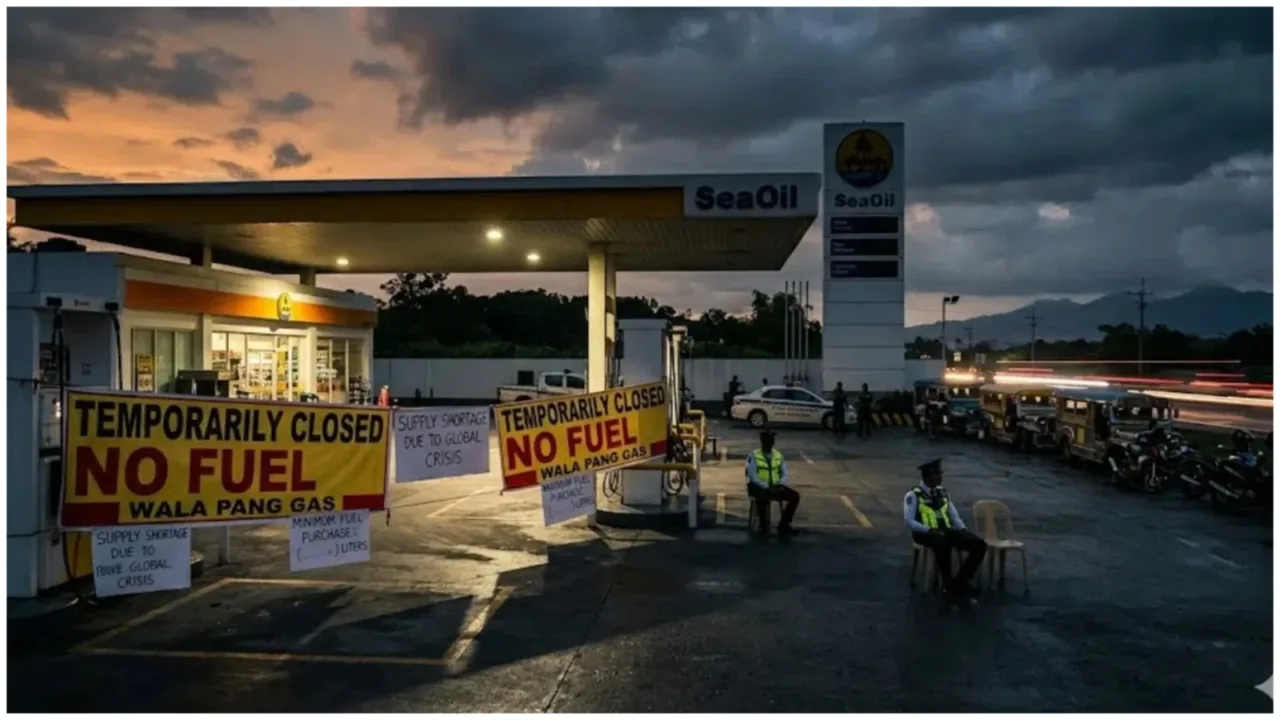
The situation is even more critical in Southeast Asia, where the Philippines Energy Emergency Status was declared on March 24. Due to the Global Fuel Price Hike 2026, the country is struggling to keep its fuel stations running. Approximately 400 gas stations have temporarily closed their doors because they have no stock to sell.
- Diesel prices in the Philippines have crossed ₱130 per litre.
- The Philippines Energy Emergency Status prompted a ₱20 billion government fund.
- The government is now desperately seeking Russian oil to fill the supply gap.
- Public transport has been severely limited due to the lack of available fuel.
India Fuel Market Volatility and Commercial Costs
How India is managing retail prices while facing pressure in the commercial sector.
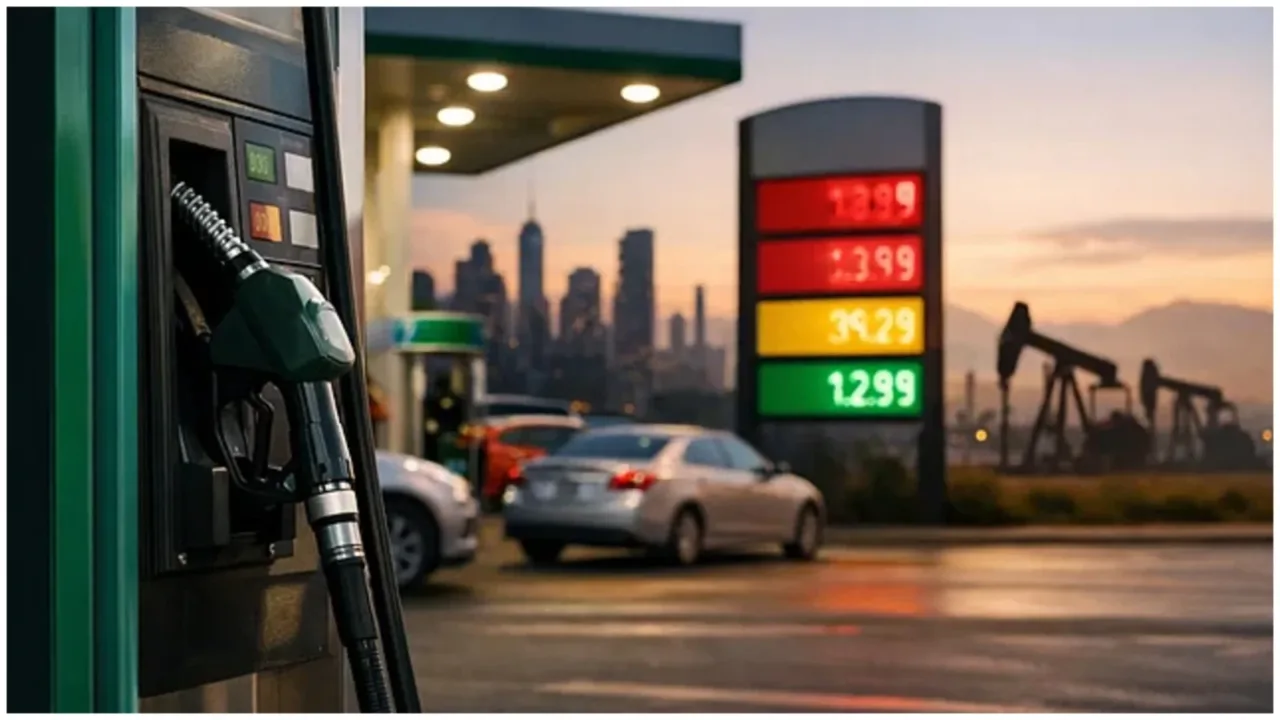
While many nations are seeing daily price changes, the India Fuel Market Volatility has been managed differently. The Indian government has kept retail petrol and diesel prices stable for the general public so far. However, the commercial sector is feeling the heat of the Global Fuel Price Hike 2026.
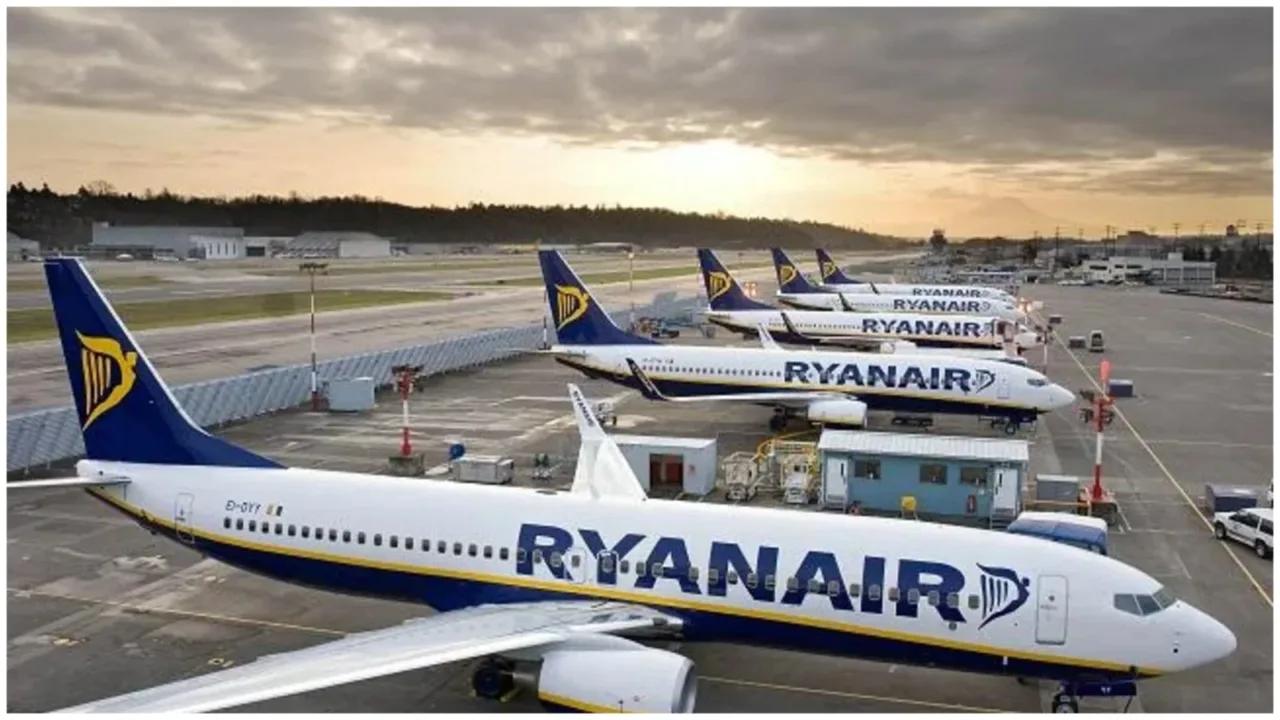
- Jet Fuel (ATF) prices have doubled, making air travel much more expensive.
- Commercial LPG prices increased by ₹195.50, hitting the restaurant industry.
- India Fuel Market Volatility is visible in private retailers like Shell, who have raised prices.
- Indian oil companies are currently absorbing losses to prevent a public outcry.
Global Crisis: USA, UK, and Australia
A summary of how Western nations are coping with the rising cost of gasoline.
The Global Fuel Price Hike 2026 is not limited to Asia and the Middle East; Western countries are also suffering. In the USA, gas prices have topped $4 per gallon, a level not seen in years. Meanwhile, in Australia, the government had to cut fuel taxes to provide temporary relief to struggling citizens.
- The UK saw petrol prices rise by 14% and diesel by 27%.
- Australia is facing a crisis with hundreds of service stations running empty.
- USA gas prices have seen an overall increase of up to 34% in some states.
- European nations are considering fuel rationing to manage the supply.
ALSO READ: Australian Fuel Shortage 2026: Should You Be Worried About Fuel Disruptions? Check Full Report
Future Consequences and Lifestyle Changes
What to expect in the coming months as the energy crisis continues.
As the Global Fuel Price Hike 2026 continues, we can expect significant changes in how we live and work. High fuel costs act as a trigger for ‘Stagflation’, where prices go up but the economy slows down. Governments are already suggesting new measures to save energy and reduce dependence on oil.
- Work From Home: Companies may return to remote work to save on commuting fuel.
- Speed Limits: Some countries are reducing highway speed limits to increase fuel efficiency.
- Electric Vehicles: The Global Fuel Price Hike 2026 is pushing more people toward buying EVs.
Conclusion
The Global Fuel Price Hike 2026 is a complex issue caused by geopolitical conflicts and supply chain breaks. While countries like Saudi Arabia and Kuwait remain stable due to subsidies, the rest of the world must prepare for a period of high inflation. Understanding the Global Fuel Price Hike 2026 is essential for planning your finances in the coming months.
FAQ
1. Why did the Global Fuel Price Hike 2026 happen? It was caused by the conflict between the US, Israel, and Iran, and the closure of the Strait of Hormuz.
2. How much did UAE diesel prices increase? Following the UAE Fuel Price Committee Update, diesel prices jumped by 72% to Dh4.69 per litre.
3. Why are gas stations closing in the Philippines and Australia? Because of the Global Fuel Price Hike 2026, supply chains have broken, leaving stations with no fuel to sell.
4. Is petrol becoming more expensive in India? Retail prices are currently stable, but commercial LPG and airfares have increased significantly.
5. What is the Strait of Hormuz Closure Impact? It is the blockage of a path that carries 20% of the world’s oil, causing a massive global shortage.
ALSO READ: One Killed by Falling Drone Debris in Fujairah: How to Stay Safe? A Complete Emergency Guide