The importance of hydration while fasting during Ramadan is crucial, as hydration impacts energy, digestion, and focus. So here are some tips on how to avoid dehydration during your fast: This will help you fast comfortably and with minimal side effects during the holy month.
What is Ramadan fasting?
Ramadan, a month in which Muslims fast from dawn till sunset to acknowledge their spiritual obligations. What in other contexts is merely a discipline that tests one’s character becomes, during Ramadan, an expression of worship to the Almighty.
In addition to requiring all sorts of behavioral controls that are detrimental to health in other respects, fasting during Ramadan poses many hazards for health unless very stringent preventive measures are enforced. Ensuring hydration during Ramadan is a crucial element in the health protection of those who observe this form of worship.
Understanding Ramadan Fasting and Hydration
Ramadan fasting and hydration go together because the body still loses water when people breathe, sweat, or do daily things, even when people do not drink water during the day. If you do not drink enough water from sunset to dawn, you may become dehydrated.

When I drink enough water during Ramadan, I feel cooler. Water helps my blood flow. Water also helps my stomach with digestion. Drinking enough water helps me stay awake and gives me energy to complete my chores. Water also helps you feel less tired even if you do not eat for many hours.
Also Read: UAE Ramadan Accident Patterns: Complete Road Safety Guide for 2026 Drivers
Maintain Fitness During Ramadan: Gym & Workout Guide UAE 2026 For Expats
Ramadan Fines in UAE: Essential Rules & Penalties for 2026
Importance of Hydration While Fasting
The importance of hydration while fasting goes beyond simply satisfying thirst. Water plays a critical role in transporting nutrients, regulating body temperature, and supporting organ function.
Key Benefits of Staying Hydrated
- Supports healthy digestion
- Maintains energy levels
- Reduces headaches and fatigue
- Improves concentration and focus
- Helps regulate body temperature
- Maintains healthy skin
Demerits of Being Dehydrated During Ramadan

Dehydration during Ramadan can negatively impact both physical and mental health. Because fluids cannot be consumed during fasting hours, failing to replenish them at night may lead to several health concerns.
Common Effects of Dehydration While Fasting
- Persistent headaches
- Extreme fatigue
- Dizziness or lightheadedness
- Difficulty concentrating
- Muscle cramps
- Dry mouth and throat
Potential Health Risks
- Reduced kidney efficiency
- Low blood pressure
- Heat exhaustion
- Digestive discomfort
- Reduced productivity and focus
These risks highlight the importance of proper Ramadan fasting and hydration practices.
How to avoid dehydration during fasting?
Learning how to stay hydrated during fasting requires a structured hydration routine between Iftar and Suhoor.
Effective Hydration Routine
- Break the fast with water first
- Drink fluids gradually throughout the evening
- Consume hydrating foods
- Avoid excessive caffeine
- Drink additional water before Suhoor
Drinking water gradually allows the body to absorb fluids more effectively.
Best Foods and Drinks for Ramadan Hydration
Food choices play an important role in Ramadan fasting and hydration because many foods contain natural water content that helps restore fluids.
Hydrating Foods
- Watermelon
- Cucumbers
- Oranges
- Yogurt
- Lettuce
- Vegetable soups
Hydrating Beverages
- Water
- Coconut water
- Milk
- Fresh fruit smoothies
- Herbal tea
How to Stay Hydrated During Fasting
Some popular foods during Ramadan can increase thirst and fluid loss if consumed excessively.
Foods and Drinks That May Increase Dehydration
1. Foods to Limit
- Fried foods
- Salty snacks
- Processed foods
- Very sugary desserts
2. Drinks to Limit
- Coffee
- Energy drinks
- Carbonated sodas
Also Read: How Biryani Became One of the Most Preferred Food: 5 Secrets
Cheap Ways to Spend Eid Holidays in the UAE in 2026
Eid-Al-Fitr Prayer Timings in The UAE | UAE Centre
How to Apply for GCC Unified Visa 2026: Complete Step-by-Step Guide…
Hydration Comparison Chart During Ramadan
| Beverage | Hydration Level | Notes |
|---|---|---|
| Water | Excellent | Best option for hydration |
| Coconut Water | Very Good | Contains natural electrolytes |
| Fresh Juice | Good | Provides vitamins but contains natural sugars |
| Milk | Good | Provides nutrients and hydration |
| Coffee | Low | Caffeine may increase dehydration |
| Soda | Low | High sugar with limited hydration benefits |
Healthy Lifestyle Habits for Staying Hydrated
Developing healthy daily habits makes it easier to maintain hydration throughout Ramadan.
Helpful Habits
- Drink 8–10 glasses of water between Iftar and Suhoor
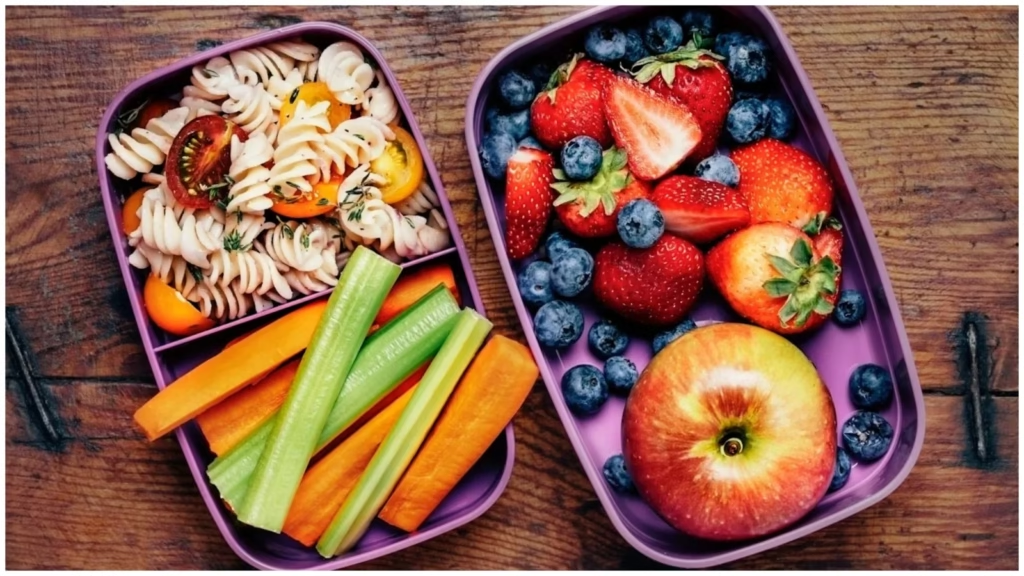
- Eat fruits and vegetables regularly
- Avoid heavy physical activity during fasting hours
- Sleep adequately
- Stay in cool environments whenever possible
Pros and Cons of Hydration Strategies During Ramadan
Pros
- Maintains energy levels
- Improves digestion
- Reduces headaches
- Improves mental focus
Cons
- Drinking too much water quickly may cause bloating
- Sugary drinks can cause energy crashes
- Caffeine may increase dehydration
Practical Tips for Ramadan Hydration
- Break your fast with 2–3 glasses of water
- Include soup or yogurt at Iftar
- Eat fruits such as watermelon and oranges
- Avoid salty foods at Suhoor
- Spread water intake evenly throughout the evening
Frequently Asked Questions
Why is hydration important during Ramadan fasting?
Hydration supports essential body functions such as digestion, circulation, and temperature regulation. Proper hydration helps prevent fatigue and headaches during fasting.
How much water should I drink during Ramadan?
Most adults should aim for about 8–10 glasses of water between Iftar and Suhoor, consumed gradually.
What foods help prevent dehydration during fasting?
Fruits, vegetables, yogurt, and soups contain high water content and help replenish fluids.
Does caffeine cause dehydration during fasting?
Caffeinated drinks such as coffee and energy drinks may increase urination and contribute to dehydration if consumed excessively.
What is the best drink to break a fast?
Water is the best drink to break a fast because it restores hydration quickly without sugar or caffeine.
Also Read: Complete Guide to Living in the UAE as an Expat – Read Before You Move