Published: Sunday, 22 March 2026, at 7:02 pm | Dubai | Edited: Sunday, 22 March 2026, at 08:07 pm
The geopolitical landscape of the Middle East has shifted drastically, leaving residents and investors concerned about the impact of Iran war on GCC nations. As security alerts rise, understanding the depth of this crisis is essential for everyone living and working in the region. Let us explore the details of this situation below to understand how it affects your safety and livelihood.
RELATED READS: A Critical Threat to Your Wealth: How Iran War Affects Gulf Countries Economically? Read Bloomberg Report…
ADCB Bank IT Glitch After UAE Data Center Amazon AWS Fire Amid Iran Strikes
Impact of Iran war on GCC: A Comprehensive 2026 Security and Business Analysis
This section discusses the immediate changes to public safety and daily routines for residents in the Gulf.
The most visible impact of Iran war on GCC states is the disruption of the sense of ‘safe haven’ that cities like Dubai and Doha once provided.
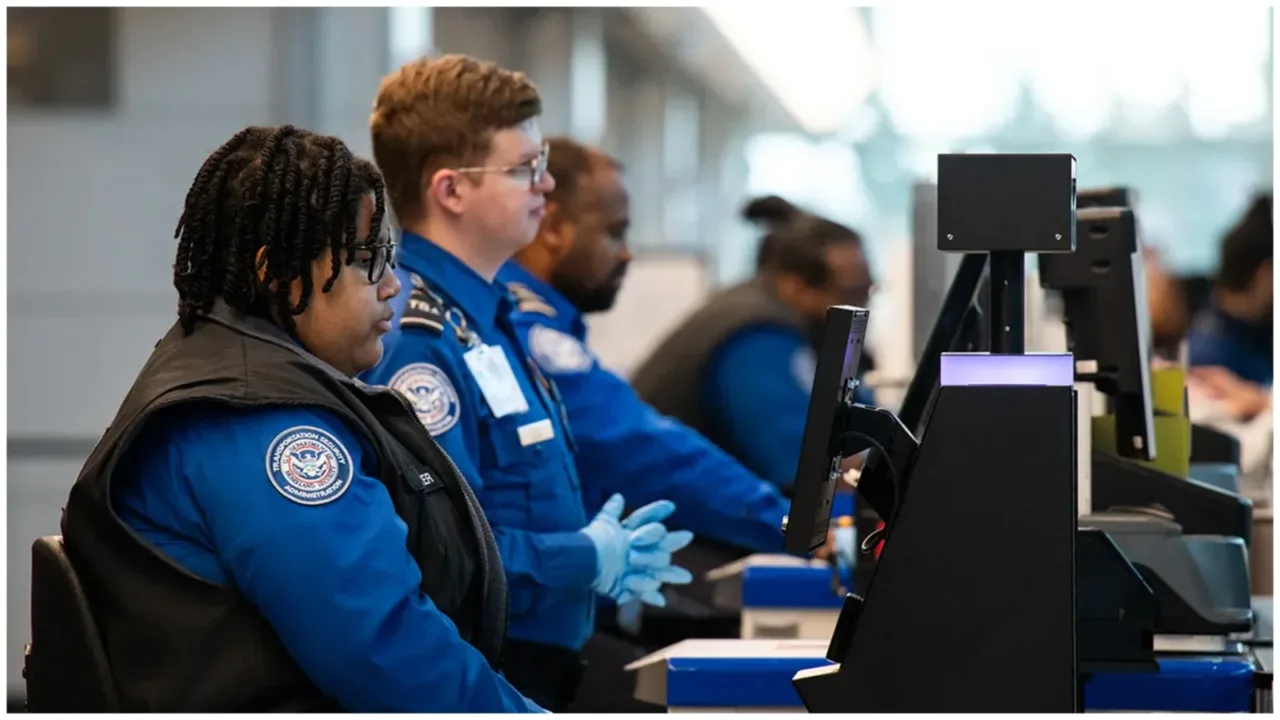
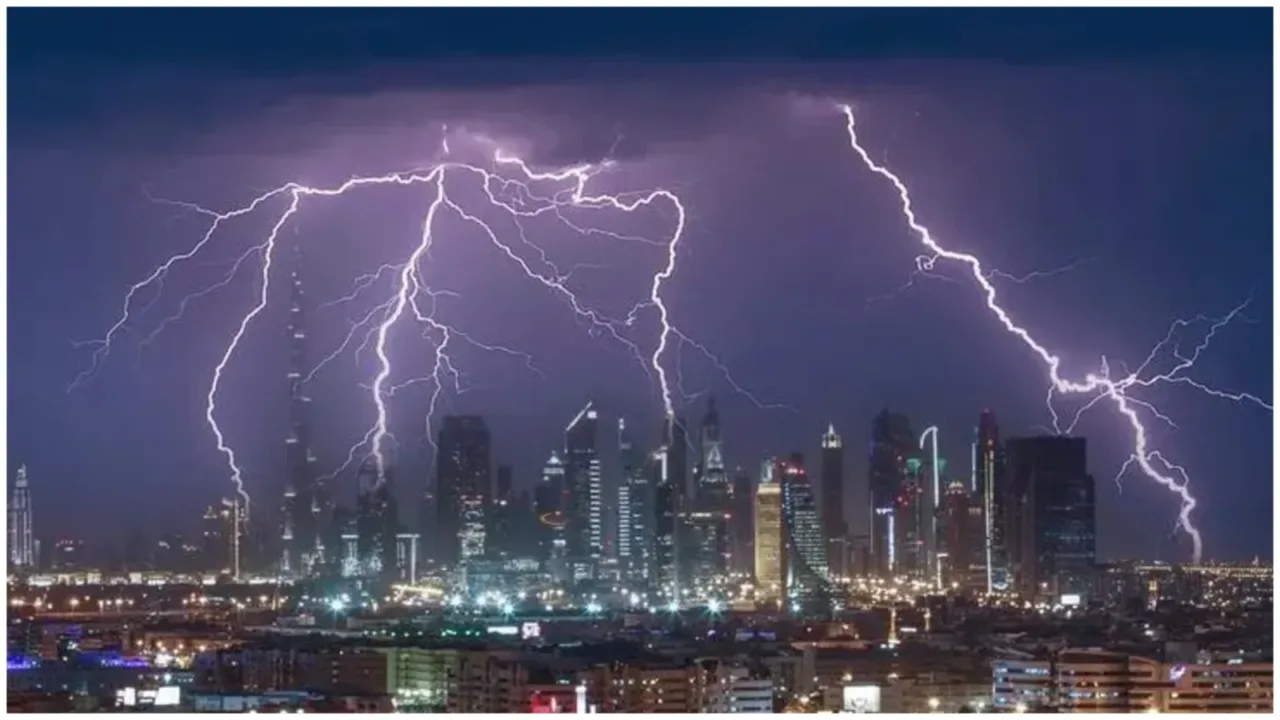
- Public Safety: Residents in major hubs like Abu Dhabi, Manama, and Dubai have reported sirens and explosions due to intercepted drone attacks.
- Remote Work: Local authorities have implemented mandatory work from home orders during high alert periods to minimize civilian presence on streets.
- Emergency Protocols: Civil defense units have increased drills, urging residents to identify the nearest reinforced shelters and keep emergency kits ready.
The Growing GCC Travel and Aviation Crisis
An overview of how regional conflict has paralyzed one of the world’s busiest flight corridors.
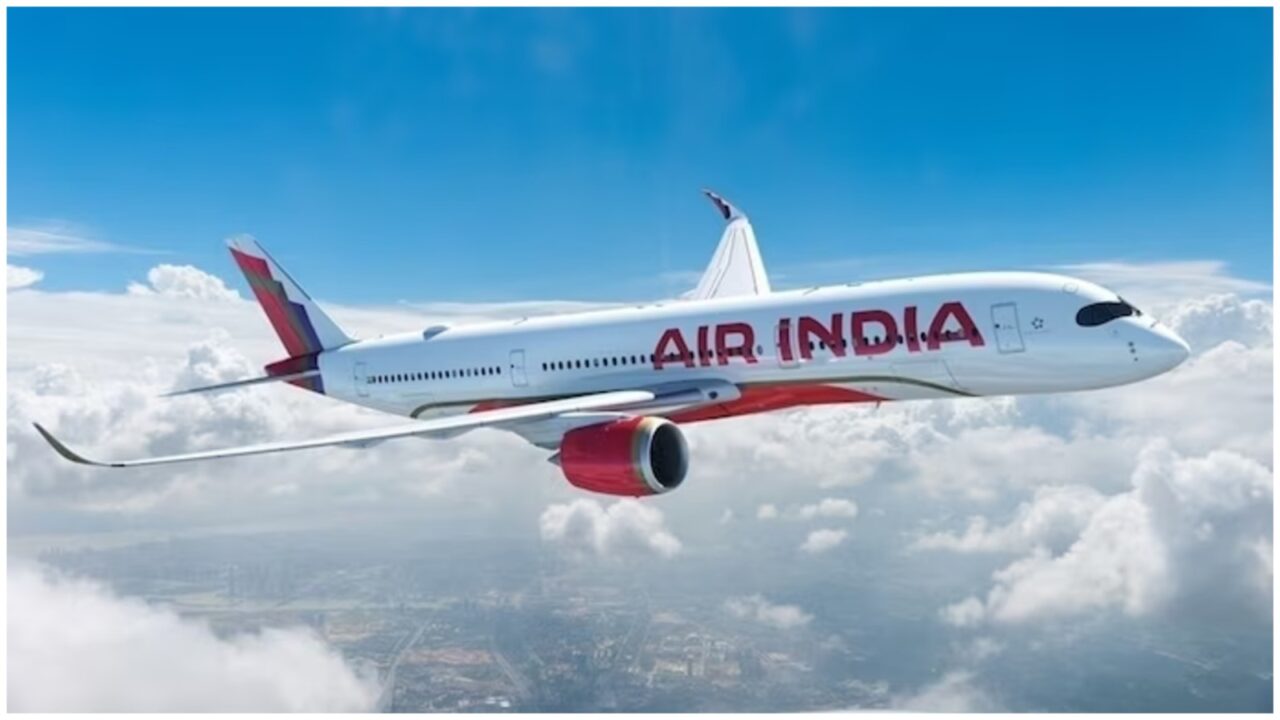
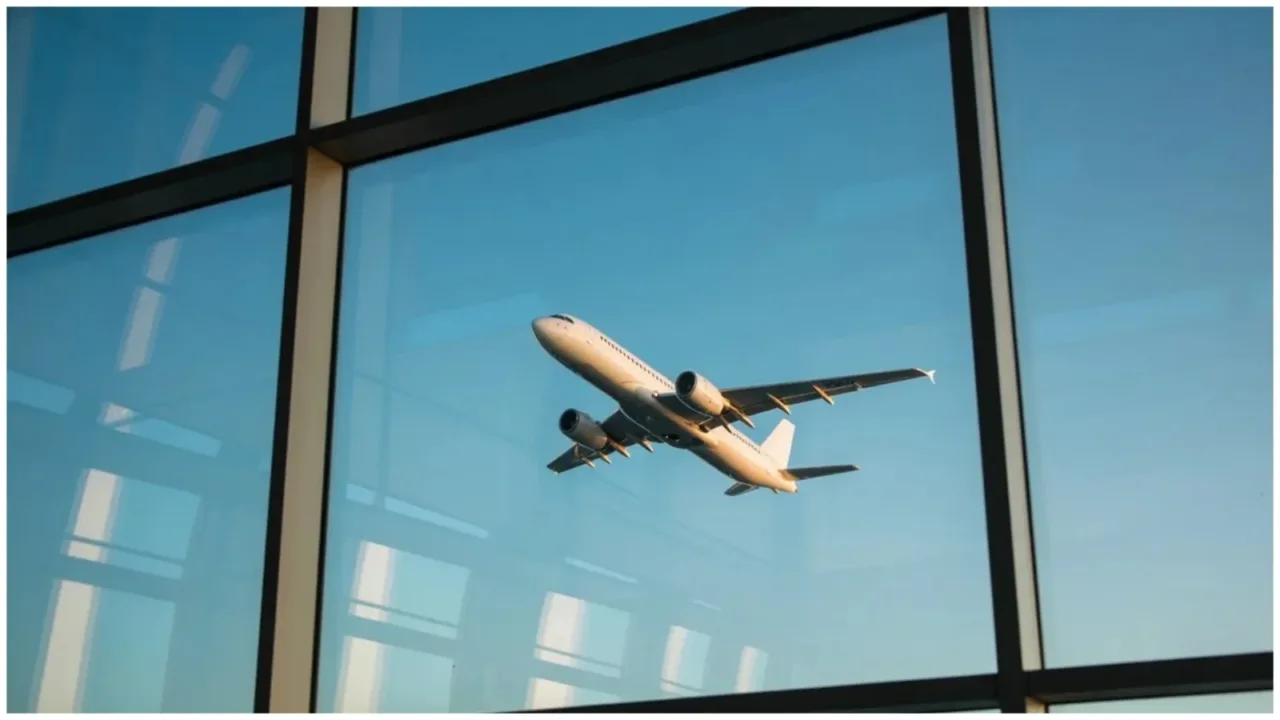
The GCC travel and aviation crisis has reached unprecedented levels, with over 3,400 flight cancellations recorded within the first 24 hours of the escalation.
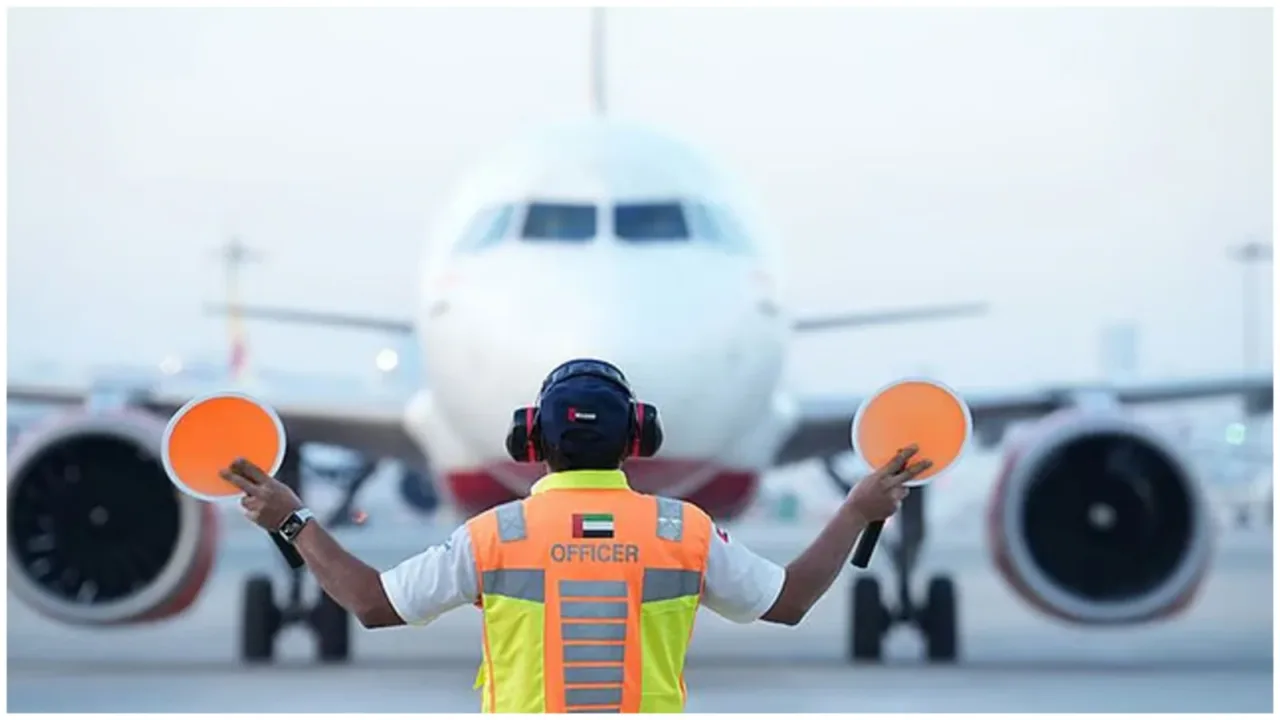
- Stranded Passengers: Thousands of tourists and migrant workers are currently stuck at major hubs like DXB and Hamad International.
- Reduced Capacity: Flagship carriers, including Emirates and Qatar Airways, are operating at a fraction of their usual capacity due to airspace closures.
- Logistical Delays: The suspension of flights has not only hit travelers but also high value air cargo, affecting pharmaceutical and tech supplies.
Food Security in Gulf Countries: Measures and Banned Exports
Detailing the steps taken by regional governments to ensure resource availability during the blockade.
Maintaining stable food security in Gulf countries has become a top priority as maritime routes face total paralysis.
- Export Bans: Kuwait has led the way by banning all food exports for 30 days to safeguard domestic stockpiles.
- Utility Threats: Critical infrastructure, particularly desalination plants in Bahrain and Qatar, are under heightened protection following threats to water supplies.
- Stockpiling: Authorities are urging citizens to avoid panic buying, assuring that grain and dry-good reserves are sufficient for the medium term.
Gulf Business Disruption 2026: Tourism and Logistics
This section explores the massive financial losses faced by the private sector and shipping giants.
The Gulf business disruption 2026 is most evident in the hospitality and shipping sectors, which are the backbone of the region’s non-oil economy.
- Tourism Loss: The sector is bleeding an estimated $600 million daily. Dubai alone saw 80,000 hotel cancellations in a single week.
- Maritime Paralysis: The closure of the Strait of Hormuz has forced giants like Maersk and CMA CGM to suspend Gulf operations.
- Rerouting Costs: Ships are being diverted around the Cape of Good Hope (Africa), adding 14 days to transit times and doubling fuel costs.
Energy Markets and the Middle East Oil Price Surge
Analyzing why high oil prices are not translating into economic gains for the producers.

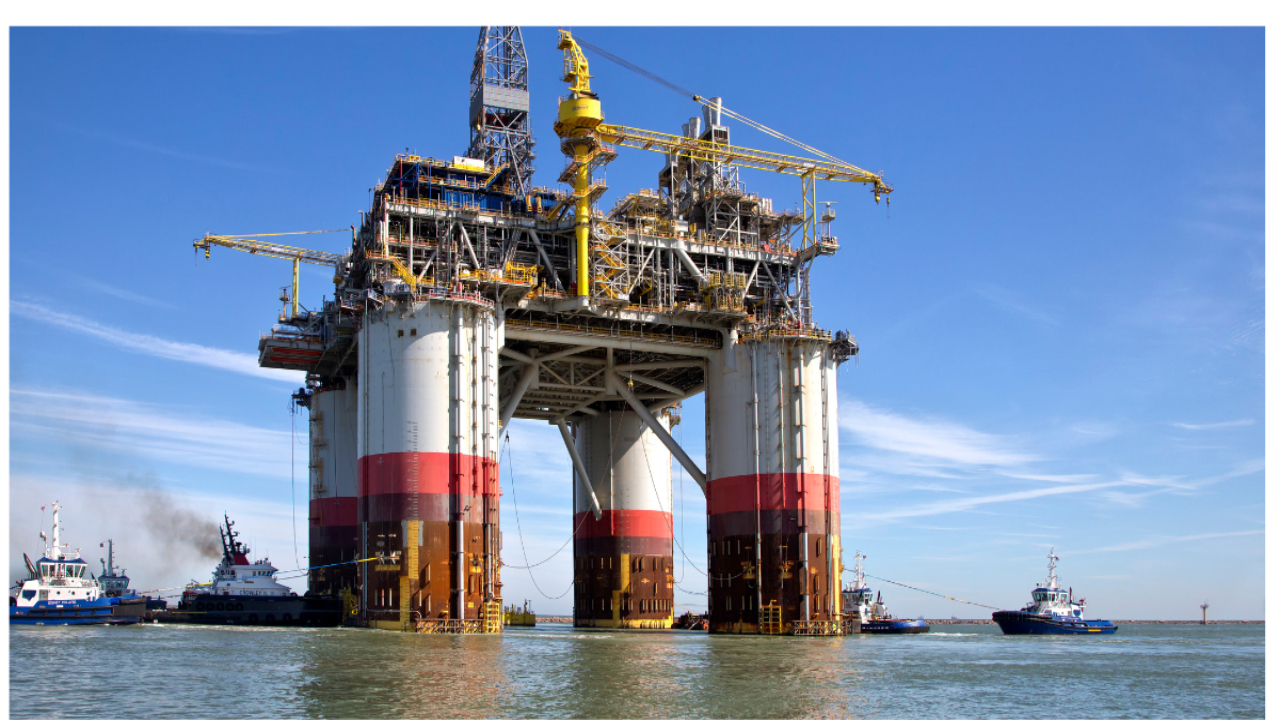
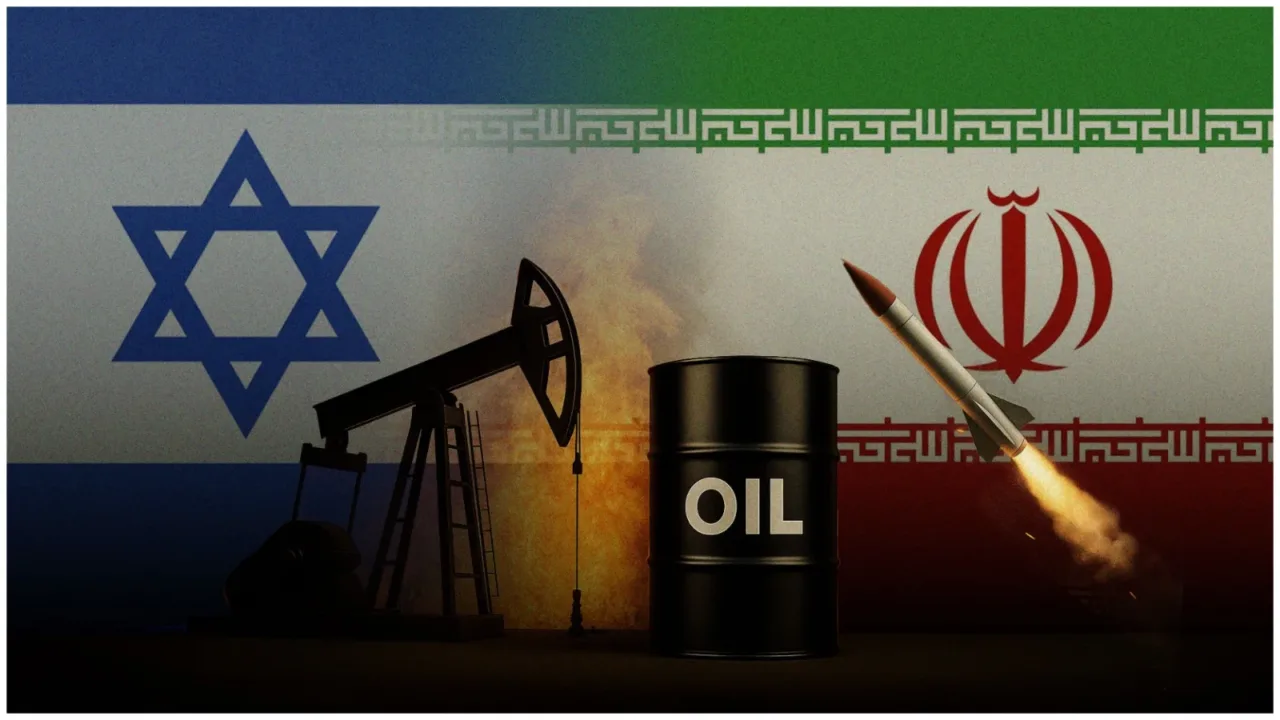
Despite the global Middle East oil price surge sending Brent crude over $100 per barrel, Gulf states are struggling to capitalize.
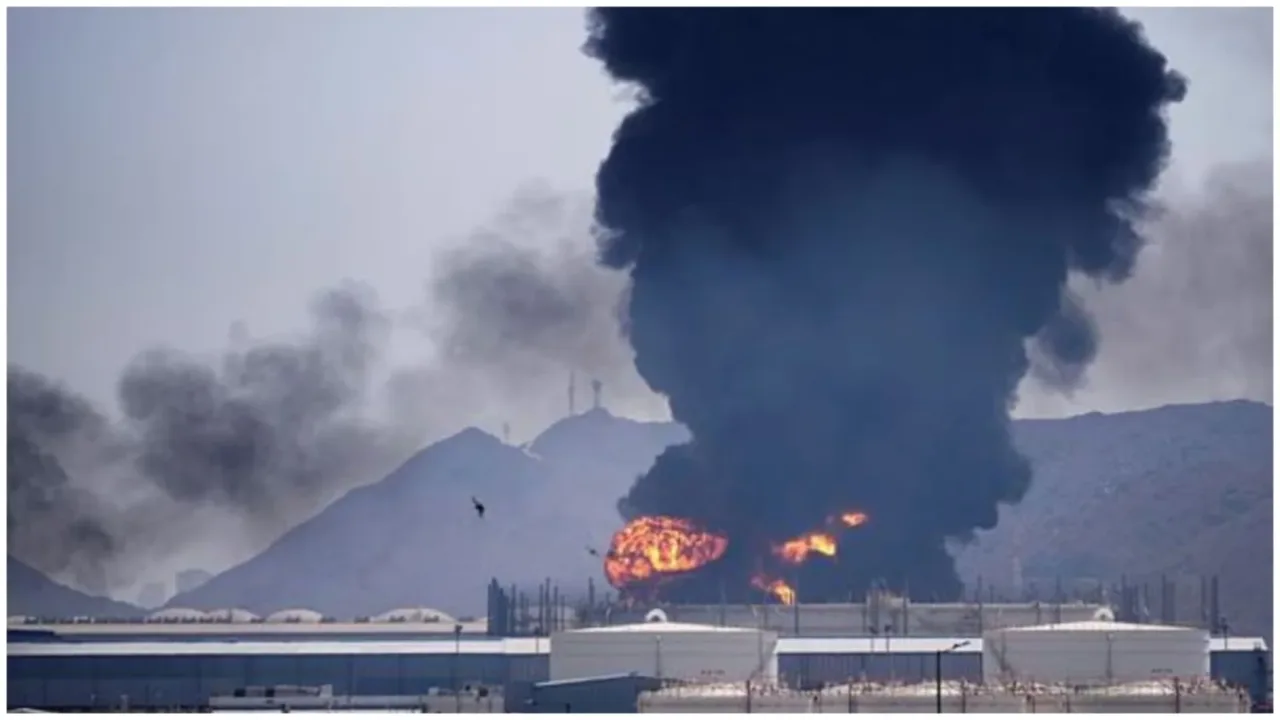
- Infrastructure Strikes: Saudi Arabia was forced to briefly shut the Ras Tanura refinery following a drone hit.
- LNG Stoppage: Qatar has halted LNG production because its export vessels cannot safely pass through the Strait of Hormuz.
- Diverted Funds: Oil revenues are being redirected from ‘Vision 2030’ infrastructure projects toward urgent defense spending and reconstruction.
ALSO READ: World on Edge; Trump’s High-Risk Move to Control the Strait Sparks Global War Fears
Facing a Dark Future? 4 Terrifying Facts About the Ras Laffan Energy Crisis
2026 Economic Forecast: Projected GDP Impacts
A breakdown of the long-term financial damage expected for each GCC nation.
The long-term impact of Iran war on GCC economies is reflected in the sharp decline of real estate and financial indices:
Saudi Arabia (-3%): Comparatively better positioned as it can reroute a portion of its oil exports via Red Sea pipelines.
Qatar (Up to -14%): The nation faces the highest risk due to its LNG exports being entirely dependent on the now-blocked Strait of Hormuz.
Kuwait (Up to -14%): A heavy reliance on sea-borne oil exports makes the economy extremely vulnerable to maritime disruptions.
UAE (-5%): The economy is witnessing high exposure and losses in the tourism, real estate, and financial hub sectors.
Safety Guidelines for Residents and Businesses
A set of essential rules to follow during the ongoing conflict period.
- Follow Official Channels: Only rely on government news agencies for evacuation or safety alerts, avoid social media rumors.
- Business Continuity: Companies should diversify supply chains and utilize land trucking routes via the Red Sea where possible.
- Financial Caution: With Dubai’s real estate index down 26%, investors are advised to maintain liquidity.
Conclusion
The current impact of Iran war on GCC nations is a reminder of the region’s vulnerability to geopolitical shifts. While the economic forecast for 2026 remains challenging, unified government action and safety protocols are key to navigating this crisis. Stay informed and prioritize safety above all else.
FAQ
1. Is it safe to travel to Dubai or Doha right now? Travel is highly restricted due to airspace closures and massive flight cancellations.
2. Why is Qatar’s GDP impact so high? Qatar’s economy relies almost entirely on LNG exports through the now-blocked Strait of Hormuz.
3. Will food prices increase in the Gulf? Temporary price hikes are possible due to shipping reroutes and export bans in countries like Kuwait.
4. How can businesses mitigate the impact of Iran war on GCC? Businesses should pivot to remote work and explore alternative logistics routes via the Red Sea or land.
5. What is happening to the real estate market? Major markets like Dubai have seen a 26% plunge as the region’s ‘safe haven’ status is challenged.