

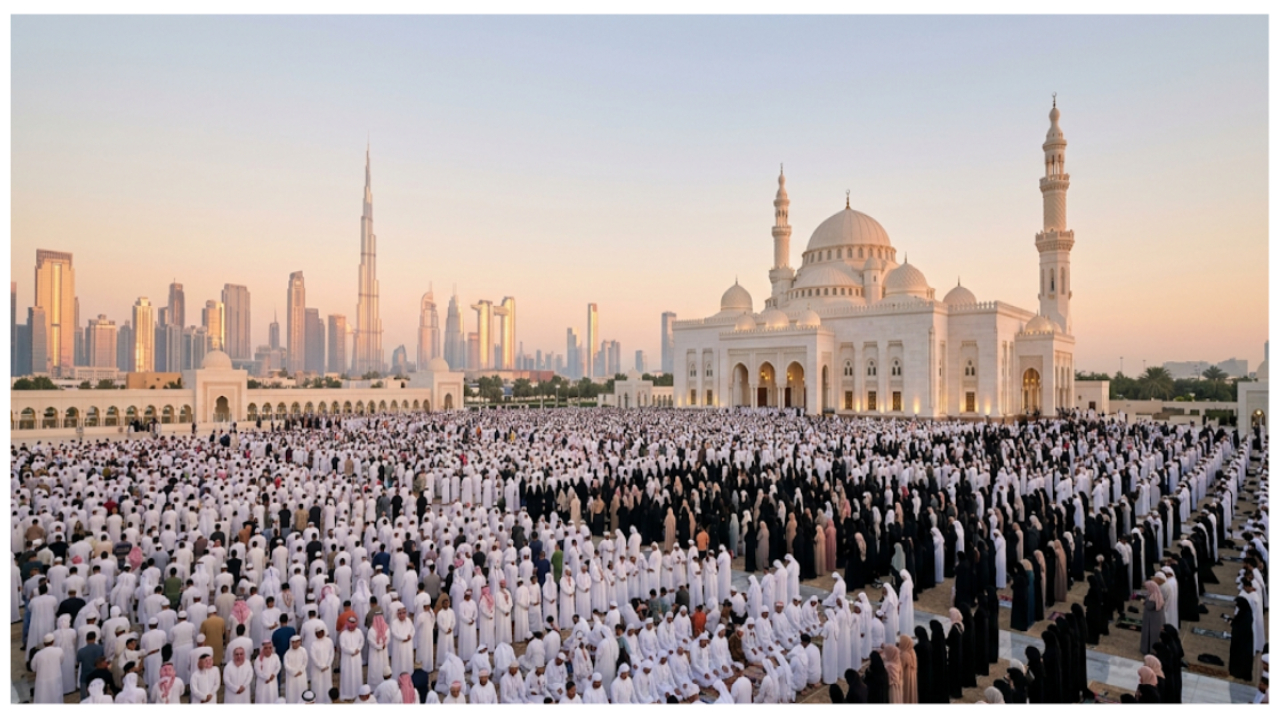
Ramadan is a season of profound spiritual significance and cultural heritage in the United Arab Emirates. To navigate this month smoothly, read on to discover the essential Ramadan Fines in UAE and gain an in-depth understanding of the country’s legal and social expectations during this holy period.
RELATED READS: 10 Best Places for Iftar in Sharjah 2026 – Prices, Deals & Top Buffets
Best Iftar in Dubai: Top Iftar Places to Experience Ramadan 2026 in Style
When Is Ramadan in UAE? Dates, Fasting Duration & Why Shorter Fasting Days in 2026
Ramadan Fines in UAE
This section provides an extensive look at the legal framework designed to protect the sanctity of Ramadan and the financial consequences of non-compliance.
The UAE is known for its tolerance and diversity, yet it maintains strict laws to ensure the holy month of Ramadan is respected by all. Understanding the Ramadan Fines in UAE is not just about avoiding penalties; it is about honoring the local culture and the millions who observe the fast. Whether you are a long-term resident or a first-time tourist, let’s explore the details of the regulations that govern everything from public behavior to workplace standards during this month.
Eating, Drinking, and Smoking in Public: Legal Consequences
This description analyzes the strict prohibition of consuming food or beverages in public and the specific fines associated with these violations.

The most fundamental of all Public Conduct Rules during Ramadan is the restriction on eating, drinking, and smoking in public view between sunrise and sunset. This law is in place to show respect to those who are abstaining from food and water for spiritual reasons.
- The Specific Violations: This includes chewing gum, sipping water, or snacking while walking, driving, or sitting in public areas like parks and streets.
- The Penalties: According to the UAE Penal Code, violators can be fined up to Dhs2,000. In some cases, repeated or blatant disregard for this rule can lead to imprisonment for up to one month.
- Designated Areas: To accommodate non-fasting individuals, the UAE allows restaurants and mall food courts to serve food, provided they are screened off from public view.
- Private Life: You are free to eat and drink inside your private residence or within designated office breakrooms that are hidden from the general public.
Maintaining Peace: Noise, Music, and Public Disturbance
This section explains the restrictions on loud entertainment and how to maintain a peaceful environment in accordance with the month’s spirit.
Ramadan is a time of tranquility and prayer. Loud music or disruptive behavior is seen as a violation of the solemnity of the month. The authorities are vigilant about maintaining a quiet atmosphere, especially during the late-night hours when many are engaged in special prayers.
- Loud Music in Cars: Driving with windows down and music blaring is a quick way to attract Ramadan Fines in UAE. This is considered a public disturbance.
- Home Entertainment: If you are hosting a gathering at home, ensure the noise levels are kept within your four walls. If neighbors complain about loud music or shouting, police may intervene.
- Live Events: Most bars and clubs in the UAE operate differently during Ramadan. Live music is typically prohibited, and background music is kept at a minimal volume.
- Solution: Read further to know that using headphones and ensuring your home gatherings are quiet are the best ways to stay compliant.
Modest Dress Code and Cultural Sensitivity
This description outlines the expectations for attire during the holy month and how dressing inappropriately can lead to legal warnings.
While the UAE is cosmopolitan, the Modest Dress Code becomes a point of focus during Ramadan. Residents and tourists are expected to dress with an extra level of modesty when visiting public places such as shopping malls, traditional markets (souqs), and government buildings.
- Expected Standards: Both men and women should ensure their shoulders and knees are covered. Avoid transparent, skin-tight, or revealing outfits.
- Consequences: While actual cash fines for dress code violations are less common for a first offense, individuals can be denied entry to malls or requested by security/police to cover up.
- Beach Etiquette: Swimwear is perfectly fine at the beach or by a hotel pool. However, it is mandatory to put on a cover-up or regular clothes before leaving the designated swimming area.
ALSO READ: Big Ticket Abu Dhabi: Indian Retail Worker in Muscat Crowned Newest Multi-Millionaire
Road Etiquette, Safety, and Preventing Road Rage
This section discusses the psychological and legal aspects of driving during Ramadan, focusing on the heightened penalties for aggressive behavior.

Driving in the UAE during Ramadan requires extra patience. Many drivers may be tired or experiencing low blood sugar, which can lead to shorter tempers. However, the legal system does not excuse “road rage” under any circumstances. Following proper Iftar Etiquette on the road is essential for a fine-free month.
- The Risks of Road Rage: Using offensive hand gestures, swearing at other drivers, or engaging in physical fights are serious crimes. Under UAE law, these acts can lead to massive fines, imprisonment, and for expatriates, permanent deportation.
- The “Iftar Rush”: Statistics show an increase in accidents just before sunset. Authorities urge drivers to stay calm.
- Parking Violations: Parking your vehicle in a way that blocks traffic or prevents others from reaching the mosque for Taraweeh prayers can result in a Dhs500 fine.
- Solution: Start your journey 30 minutes earlier than usual to avoid the rush and the stress that leads to aggressive driving.
Charity Laws: Avoiding Unlicensed Donations
This description covers the strict laws governing fundraising and meal distribution to ensure that charity reaches the right people safely.
Ramadan is the month of giving, but in the UAE, all charitable activities must be regulated. Distributing food or collecting money without a permit is a serious offense.
- Unauthorised Iftar Distribution: Giving out meals on the street or from your home without a permit from the Islamic Affairs and Charitable Activities Department (IACAD) can result in fines reaching Dhs500,000. This is to ensure food safety and public order.
- Begging: Begging is strictly prohibited. Professional begging is often treated as a crime. The fine is Dhs5,000 and up to three months in jail.
- How to Give:In the following points, we see how to give safely:
- Use registered platforms like Emirates Red Crescent or Dar Al Ber.
- Donate through official digital portals or SMS services provided by the government.
UAE Labor Law: Reduced Working Hours for All
This section explains the mandatory reduction in work hours and the rights of employees under the national labor regulations.
One of the most praised aspects of the UAE Labor Law during Ramadan is the mandatory reduction in the workday. This is designed to alleviate the physical burden on fasting workers and to allow everyone to participate in the spiritual and social aspects of the month.
- The Two-Hour Rule: The law dictates that the workday for all private-sector employees must be reduced by two hours.
- Non-Discriminatory: This applies to everyone. A company cannot force a non-Muslim employee to work full hours while allowing Muslim employees to leave early, unless it is counted as paid overtime.
- Wages: Salaries must remain the same despite the reduced hours. Any employer found deducting wages for these two hours faces heavy penalties from the Ministry of Human Resources and Emiratisation (MoHRE).
ALSO READ: Ramadan 2026: Your Complete Guide to UAE Office Hours and Overtime Pay
Essential Key Notes: Violations & Fines
- Public Eating & Drinking
- Violation: Consuming food, water, or smoking in public during daylight.
- Fine: Up to Dhs2,000 or 1-month jail.
Unlicensed Charity/Food Distribution
- Violation: Giving out Iftar meals or money without an official permit.
- Fine: Between Dhs10,000 and Dhs500,000.
Illegal Begging
- Violation: Seeking financial help in public or near mosques.
- Fine: Dhs5,000 and up to 3 months in jail.
Loud Music & Noise
- Violation: Playing loud music in cars or homes that disturbs the public.
- Fine: Subject to police warning; repeated offenses lead to heavy fines.
Modest Dress Code Violations
- Violation: Wearing revealing clothes in malls or public squares.
- Fine: Usually a warning or denial of entry; legal action for repeat cases.
Road Rage & Aggression
- Violation: Offensive gestures or verbal abuse during the “Iftar rush.”
- Fine: Massive fines, jail time, or potential deportation.
Improper Parking Near Mosques
- Violation: Blocking traffic or parking on sidewalks during prayers.
- Fine: Dhs500.
UAE Labor Law Violations
- Violation: Not reducing the 2-hour daily work shift for employees.
- Fine: Dhs5,000 to Dhs50,000 per company.
Frequently Asked Questions (FAQ)
1. Is it okay to chew gum in public? No, it is considered a violation of Public Conduct Rules and can lead to a fine.
2. Can non-Muslims be fined for eating? Yes, the Ramadan Fines in UAE for public eating apply to everyone, regardless of religion.
3. Is smoking in a car allowed? Smoking in a car is prohibited if it is visible to the public during fasting hours.
4. Where can I safely donate money? Always use authorized channels like Emirates Red Crescent to ensure proper Iftar Etiquette and legal compliance.
5. Do I get reduced hours if I work from home? Yes, the UAE Labor Law applies to all work settings, including remote work.
In conclusion, a little awareness goes a long way. By keeping these Ramadan Fines in UAE in mind, you can enjoy a respectful and trouble-free holy month.
ALSO READ: UAE Banks Begin Phasing Out Handwritten Signatures: What Digital Verification Means for Customers










1 thought on “Quick Guide: Essential Ramadan Rules and Penalties in the UAE”