2 February 2026| Dubai, UAE [Posted at 5:08 pm| Updated at 5:57 pm ]
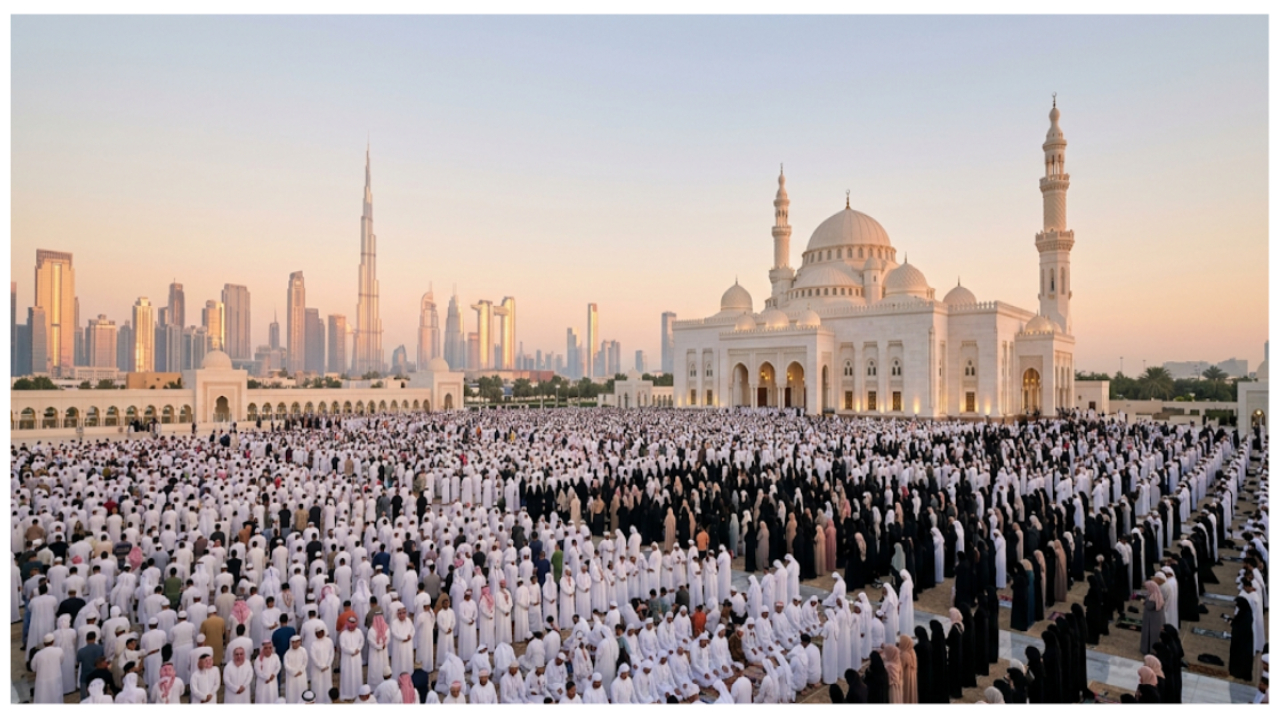
Ramadan is not just a religious observance in the UAE; it is a month that reshapes daily life, emotions, routines, and community spirit. For Muslims, this is the most sacred time of the year. For non-Muslims, it is a rare chance to witness the UAE at its most reflective, generous, and culturally rich. In Ramadan UAE 2026, cities like Dubai and Abu Dhabi will slow down by day and come alive after sunset, creating a rhythm that blends spirituality with social connection.
Related Reads – When Is Ramadan in UAE? Dates, Fasting Duration & Why Shorter Fasting Days in 2026
Ramadan 2026 in the UAE – Expected Festive Dates, Eid Holidays, Fasting Hours
What you should know about Islamic Culture in the UAE
What Is Ramadan? Purpose of Fasting Explained

All you need to know about Ramadan.
Ramadan is the ninth month of the Islamic calendar, observed to commemorate the revelation of the Quran to the Prophet Muhammad (PBUH). Before diving into rules and timings, it helps to understand why Muslims fast.
The purpose of fasting includes:
- Strengthening self-discipline and patience
- Practising empathy for the less fortunate
- Increasing spiritual awareness and gratitude
- Focusing on prayer, charity, and reflection
Fasting during Ramadan is not just about avoiding food and water. Muslims are encouraged to:
- Avoid anger, gossip, and negative speech
- Be generous and forgiving
- Increase acts of kindness and charity
Key Ramadan Terms You’ll Hear in the UAE
If it’s your first Ramadan in the UAE, these words will quickly become part of your daily conversation.
These terms shape the entire Ramadan routine. Below are the common terms used during Ramadan UAE 2026:
- Suhoor – The pre-dawn meal eaten before fasting begins
- Iftar – The meal that breaks the fast at the time of sunset.
- Niyat (Niyyah) – The intention made in the heart to fast
- Adhan – The call to prayer announcing prayer times
- Maghrib – Sunset prayer time when iftar begins
- Tarawih – Special night prayers performed after Isha
- Laylat Al Qadr – The Night of Power, one of the last 10 nights of Ramadan
- Imsak – The time, typically 10-20 minutes before the Fajar adhan (Dawn), when muslims stop eating or drinking to start fasting during Ramadan
- Fajr – It is the first of five obligatory daily prayers in Islam, performed at dawn before sunrise
Read more – Packing List for Moving to the UAE: What You Should Bring and What Not to Waste Space On
Health Insurance in the UAE: What Expats Forget to Check
How Muslims Start the Fast: Niyat and Morning Routine
Every fasting day begins with intention.
Fasting begins spiritually before it starts physically. A typical fasting routine begins with:
- Waking up before dawn for Suhoor
- Making niyat silently in the heart (no fixed wording required)
- Completing the meal before the Fajr adhan
- Beginning the fast at dawn
From sunrise to sunset, Muslims abstain from food, drink, smoking, and marital relations, while focusing on prayer and good conduct.
The Rhythm of the Country During Ramadan
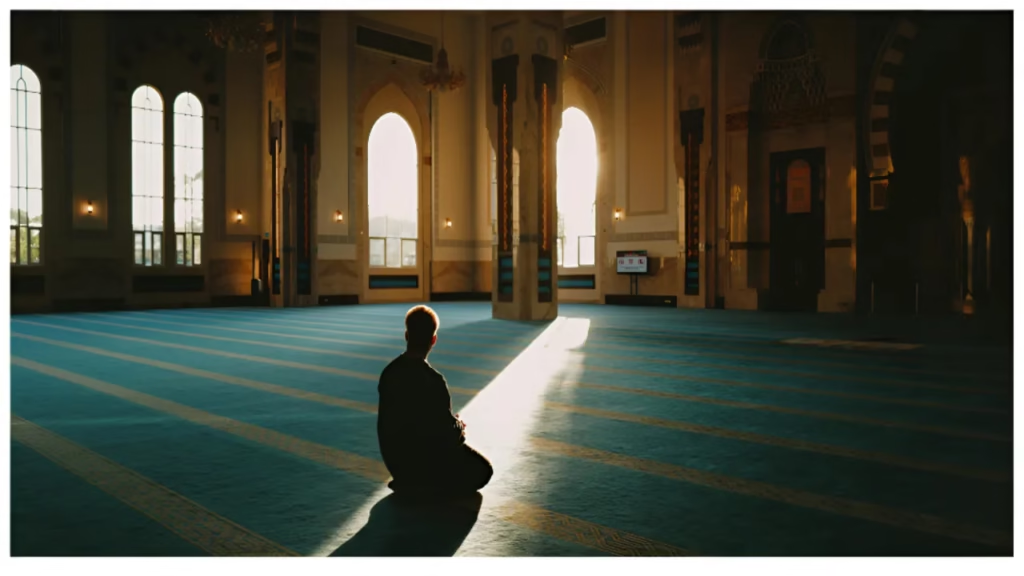
Ramadan transforms the daily flow of life across the UAE.
Shortened Working Hours
To support fasting employees, work schedules are adjusted. Key changes include:
- Private sector: 2-hour reduction daily (as per UAE labour law)
- Public sector: Announced annually by authorities
- No salary deductions allowed
Traffic & Peak Hours
The country moves differently during Ramadan. Here’s what to expect during Ramadan UAE 2026:
- Heavy traffic from 2:30–5:30 PM
- Quiet roads just before Maghrib
- Busy streets again after Iftar and late at night
Nightlife Without Nightclubs
Ramadan nights are social — just in a different way.
What changes:
- Malls stay open until midnight or later
- Restaurants host iftar and suhoor gatherings
- Social life shifts entirely to evenings
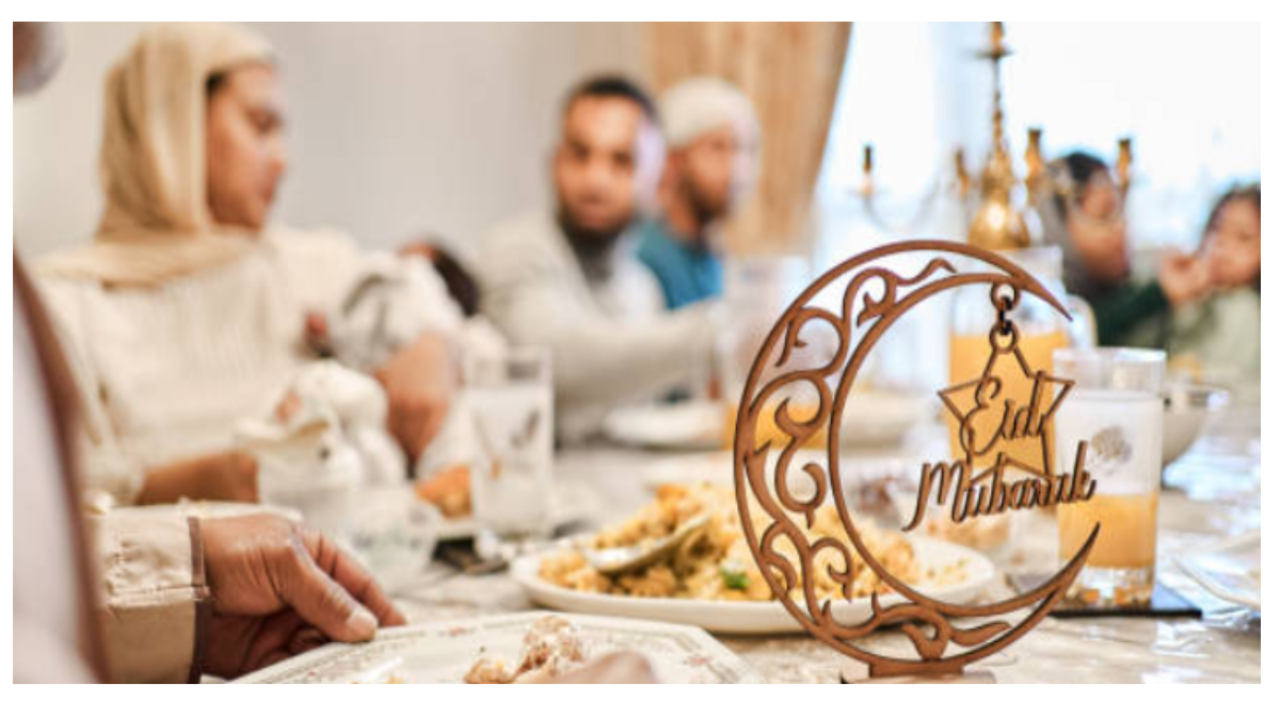
Iftar in Dubai: The Heart of Ramadan Evenings

Experience Iftar in Dubai during Ramadan.
It’s not just dinner — it’s a shared spiritual pause.
How does iftar traditionally begin?
- Dates and water or laban
- Short prayer (dua)
- Maghrib prayer
- Full meal
Where to Experience Iftar in Dubai
Dubai offers iftar experiences for every budget.
Popular options include:
- Luxury Ramadan tents at five-star hotels
- Community iftars at mosques
- Casual mall restaurants with set menus
- Family-hosted home gatherings
Etiquette tip: Even if you’re not fasting, wait for the Maghrib adhan before eating.
Suhoor: Late Nights, Quiet Conversations
Suhoor is calm, social, and reflective.
Suhoor connects the community before another day of fasting. What to expect at suhoor:
- Restaurants open until 3–4 AM
- Light meals like eggs, manakish, and soups
- Tea, Arabic coffee, and desserts
- Board games, shisha lounges, quiet music
Laylat Al Qadr: The Powerful Night of Ramadan
Laylat Al Qadr, or the Night of Power, falls in the last 10 nights of Ramadan.
Significance matters more than dates. Why is Laylat Al Qadr sacred:
- The Quran was first revealed on this night
- Worship is better than 1,000 months
- Mosques stay full until dawn
- Many spend the entire night in prayer
The Do’s During Ramadan UAE 2026
Respect during Ramadan is about awareness, not restriction.
Below are the key dos during Ramadan UAE 2026:
- Dress Modestly
Remember, modesty shows respect. Guidelines include:
- Cover shoulders and knees
- Avoid sheer or tight clothing
- Choose loose, breathable fabrics
- Use Ramadan Greetings
Small words build big goodwill. Ramadan Mubarak or Ramadan Kareem are greetings.
- Accept Iftar Invitations
Being invited is an honour. If invited:
- Arrive on time
- Bring dates or sweets
- Follow the host’s lead
The Don’ts: What to Avoid in Public
Understanding limits ensures harmony.
Here are the key things to avoid:
- Understanding restrictions ensures harmony.
Rules are there, but flexibility exists too.
Important points:
- Avoid eating, drinking, and smoking in public
- Malls and hotels allow indoor dining
- Follow venue signage
- Public Behaviour
Ramadan emphasises calmness. So avoid:
- Loud music
- Arguments or road rage
- Public displays of affection
Business Etiquette During Ramadan UAE 2026
Work continues, but thoughtfully.
Remember: productivity shifts, not pauses.
Professional tips:
- Schedule meetings between 10 AM and 1 PM
- Avoid lunch meetings
- Expect late-night emails
- Be patient with timelines
Ramadan for Tourists in the UAE
Visiting during Ramadan offers a deeper cultural experience.
Hotels & Beaches
Tourists can relax comfortably.
What remains open:
- Private beaches and pools
- Hotel restaurants
- Tourist attractions
Shopping & Malls
Evenings are best.
Expect:
- Extended mall hours
- Ramadan markets
- Festive décor after sunset
Ramadan UAE 2026: Expected Dates & Timings
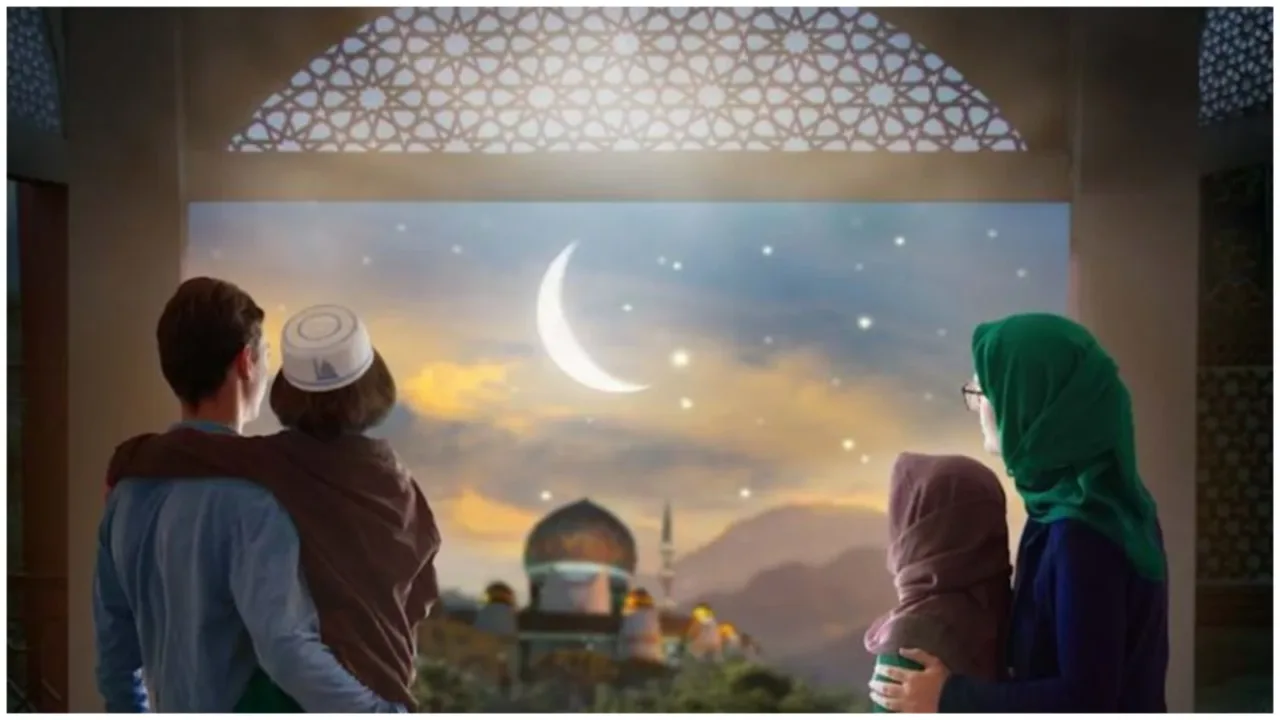
Based on moon sighting predictions:
- Expected start: Thursday, 19 February 2026
- Expected Eid Al Fitr: Around 20 March 2026
The exact date will depend on the official UAE moon sighting.
FAQs: Ramadan UAE 2026
1. Do non-Muslims need to fast in the UAE?
No. Fasting is not required, but public respect is expected.
2. Can tourists eat during the day?
Yes, inside malls, hotels, and designated areas.
3. Is alcohol available during Ramadan UAE 2026?
Yes, at licensed venues, but some limit daytime service.
4. Are schools and offices closed during Ramadan UAE 2026?
No, but operating hours are reduced.
5. What is the best way to experience iftar Dubai?
Attend a hotel iftar, mosque community meal, or accept a local invitation.
Conclusion: Why Ramadan in the UAE Is Truly Special
Ramadan UAE 2026 is not about rules; it’s about rhythm, respect, and reflection. From peaceful mornings to vibrant iftar in Dubai, the month invites everyone to slow down, connect, and understand a culture built on generosity and faith.
Read more – Married At First Sight Australia Release Date, Cast & How to Watch in UAE