Monday, 19 January 2025| Dubai, UAE [ Posted at 12:37 am]
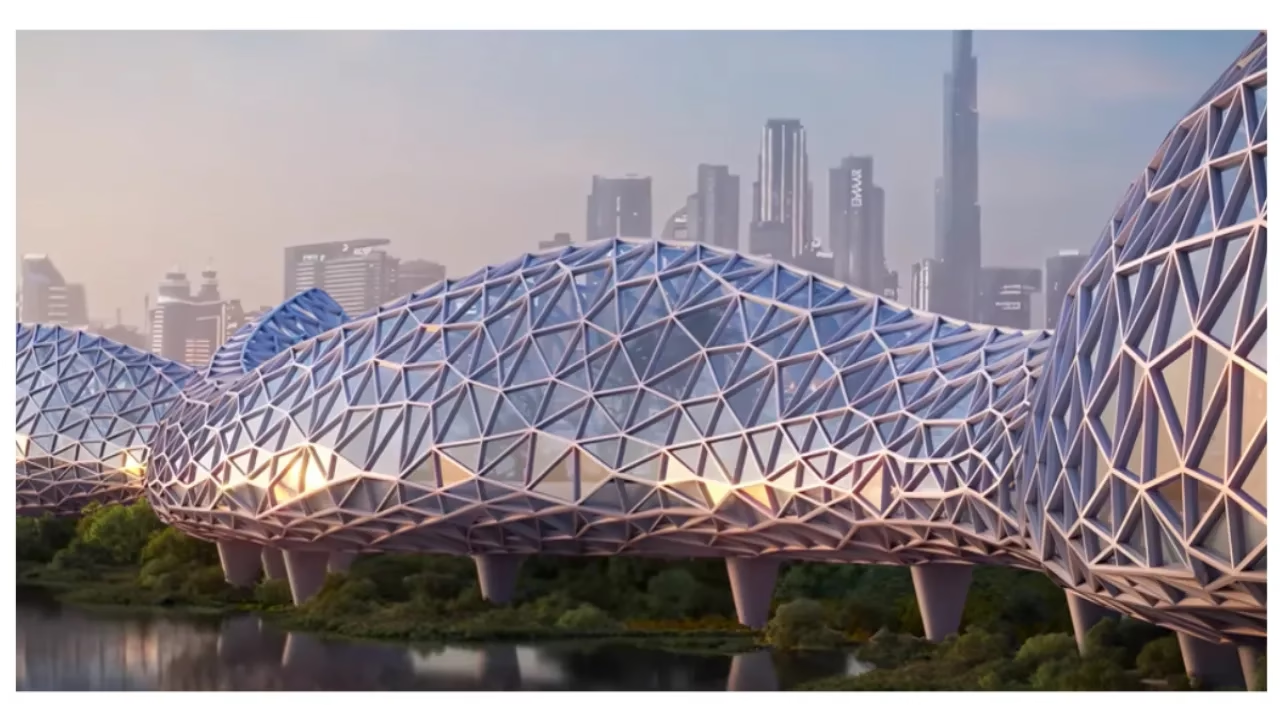
Dubai is once again pushing the boundaries of future-ready infrastructure with The Loop Dubai, a visionary 93-kilometre air-conditioned walking and cycling network designed to connect the entire city. The Loop represents a major shift from car-centric planning to people-first urban living.
What Is The Loop Dubai?
The Loop is a fully climate-controlled urban corridor that allows residents to walk, run, or cycle comfortably throughout the year, even during peak summer heat. Designed by sustainable city developer URB, the project aligns with Dubai’s long-term goal of becoming one of the world’s most liveable and sustainable cities.
The Loop removes weather as a barrier to movement. Hence, it enables safe, healthy, and zero-emission travel across key districts.
Key Features That Set The Loop Apart
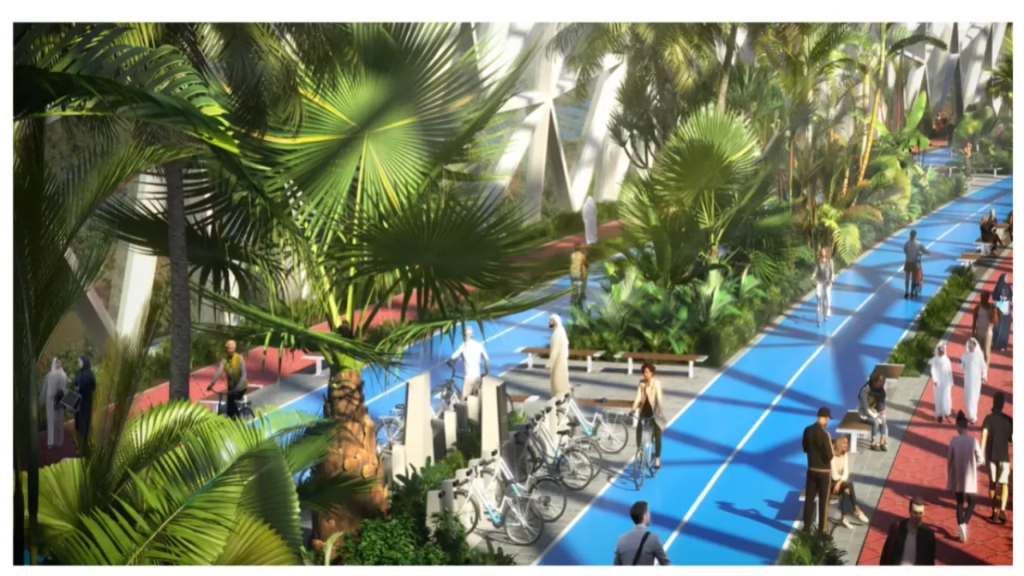
Interestingly, it is not a traditional tunnel. It is envisioned as a continuous urban ecosystem, as it integrates mobility, health, and social interaction.
Key highlights include:
- 93 km fully air-conditioned network for walking and cycling
- Dedicated running and cycling tracks
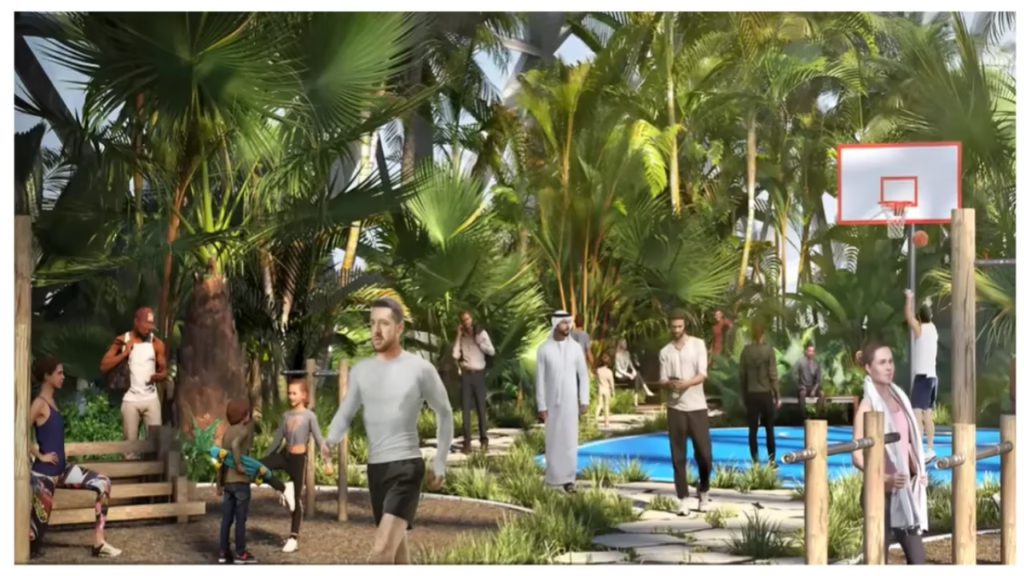
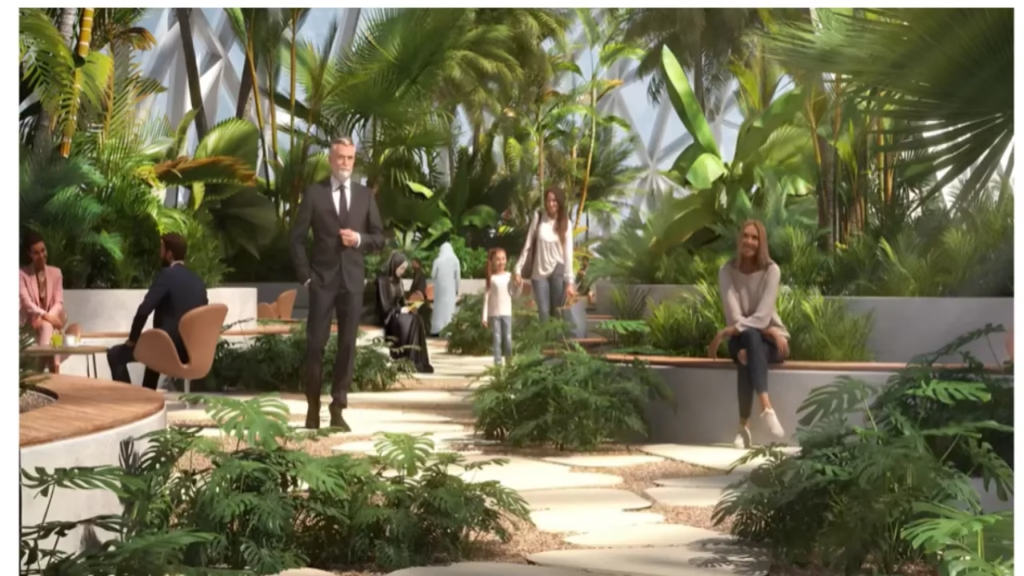
- Parks, green corridors, and pocket gardens
- Fitness zones, sports courts, and wellness spaces
- Community and social interaction areas
- Safe, year-round usability regardless of weather
- Integration with public transport networks
The aim is to ensure residents can reach daily essentials, including work, education, healthcare, and leisure, within 20 minutes on foot or by bicycle.
Read more – Abu Dhabi’s New BARQ Chargers are a Game Changer
Part of Dubai’s 20-Minute City Vision
This project is a cornerstone of Dubai’s 20-Minute City strategy, which focuses on decentralised living and improved quality of life. By 2040, it aims for the following:
- 80% of residents walk or cycle for daily commutes
- A major reduction in private car dependency
- Cleaner air and lower carbon emissions
This transformation is expected to reshape how neighbourhoods connect and how communities interact.
Read more – UAE Visa Rules 2026: Complete Guide for Expats
Sustainability at the Heart of the Project
The project is designed as a zero-emissions transport system, as it embeds sustainability into every layer. Here are the planned sustainability features of this project:
- 100% renewable energy, including kinetic energy from footsteps
- Recycled water for irrigation
- Vertical farms to support food security
- Smart sensors track energy generation and usage
- Reduced noise and air pollution across urban areas
The kinetic flooring will convert human movement into usable electricity, which turns daily commutes into a source of clean energy. Interestingly, sustainability is not an add-on but a core principle of this project.
Read more – Is Taste of Dubai 2026 Worth It? Dates, Tickets & Festival Highlights
Why The Loop Matters Beyond Mobility?
Infrastructure in Dubai often shapes more than transport, as it influences lifestyle, behaviour, and long-term urban value. The Loop Dubai is expected to:
- Improve public health by promoting active lifestyles
- Increase social cohesion through shared spaces
- Reduce congestion and environmental impact
- Quietly influence real estate demand and urban growth patterns
If successful, it could become a global blueprint for hot-climate cities facing climate change and sustainability pressures.
Read more – The Butterfly Gardens Are Finally Open
FAQs: The Loop Dubai
1. What is The Loop Dubai?
The Loop is a 93km air-conditioned walking and cycling network designed to connect major parts of Dubai year-round.
2. Is The Loop underground?
Parts may be underground. However, it is not a traditional tunnel. It is a continuous and climate-controlled urban corridor with parks and social spaces.
3. Why is The Loop important for Dubai?
It reduces car dependency, supports the 20-Minute City vision, cuts emissions, and improves public health.
4. When will The Loop be completed?
An official completion timeline has not yet been announced, but it aligns with Dubai’s 2040 urban masterplan.
5. Can The Loop become a global model?
Yes. If executed successfully, it could serve as a scalable model for sustainable urban mobility in hot-climate cities worldwide.