Published: Saturday, 28 March 2026, at 11:27 am | Dubai |
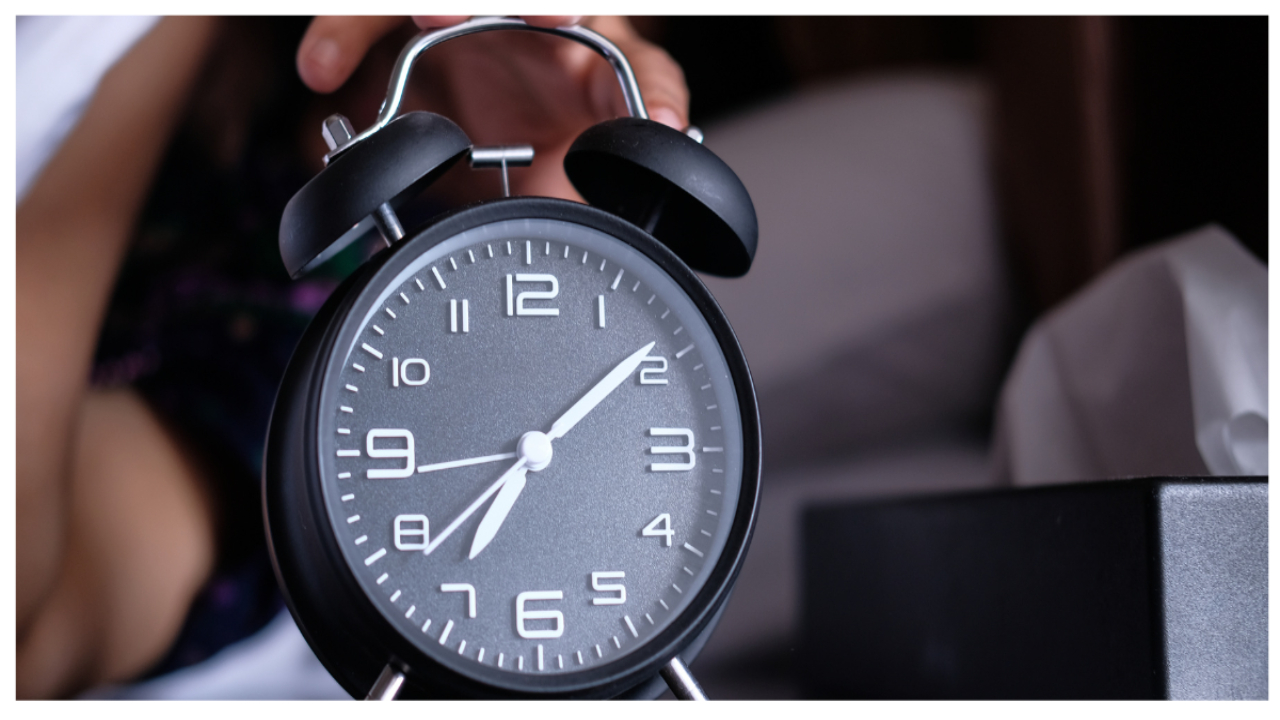
Like every year, the UK time change is back. Although it mainly affects people in the UK, it also matters to UAE residents who travel, conduct business, and communicate. Similar to jet lag, your body clock, sleep cycle, and your sense of time might feel slightly off when the clock moves forward.
Related Reads: Air Canada Plane Crash at LaGuardia Airport 2026: What Happened In The Accident? Check Full Report
Massive TSA Airport Security Meltdown: How Trump’s 1st Major Pay Crisis Is Shaming America
What Is the UK Time Change?
It marks the beginning of British Summer Time, shifting the clock forward by one hour.
Every year, it occurs in the country on the last Sunday of March at 1 AM because the clock moves forward to 2 AM. This change is a part of Daylight saving time. Check the top impacts of the day-to-day life of this shift:
- You lose one hour of sleep
- Evenings become brighter
- Mornings stay darker for a while
This system was introduced to make better use of daylight during warmer months.
The Reason Behind The UK Time Change?
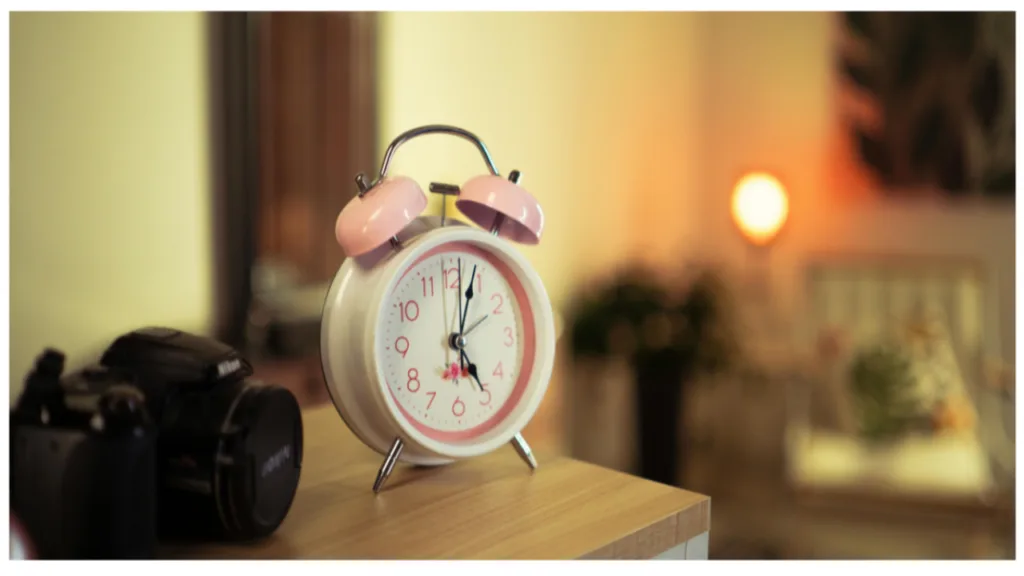
The change was introduced to save energy.
Originally, it was introduced in 1916 during World War I as a part of the Summer Time Act with the hope of reducing coal demand because of the extra daylight hours. William Willett introduced the idea, who passed away just one year before it came into effect.
This change gave the UK residents an extra hour in the summer evenings and an earlier sunrise in the winter mornings. In short, the change introduced to offer extra benefits from the additional daylight in the summer.
How Does the Time Change Affect the Body Clock?
The sudden change will disrupt your internal timing system, known as the circadian rhythm.
Your body clock controls sleep, energy, levels, and focus. Your body doesn’t adjust instantly after it comes into place.
Here’s what you might notice:
- Feeling sleepy during the day
- Difficulty falling asleep at night
- Reduced concentration
- Mood changes
This happens because your brain still follows the old schedule even after the new time change happens.
Read more: Facing a Dark Future? 4 Terrifying Facts About the Ras Laffan Energy Crisis
8 Hours Lost in the Air: The Real Reason for Air India’s Costly U-Turn
Is It Similar to Jet Lag?
Yes, but it is quite similar to it.
The answer to “how does the time change affects the body?” becomes easier when compared to it. Check the similarities between the two below:
- Both disturb your sleep cycle
- Both affect energy levels
- Both confuse your body clock
Scale is the only difference between the two. Although travel-related jet lag can be stronger, the time change usually settles in a few days.
This matters for the UAE residents if they work with the UK clients, follow the UK schedule, or even travel between the UAE and the UK.
Impact on Temperature and Weather Patterns
A change in the weather doesn’t directly happen due to the UK time change. Yet, it changes the manner you experience it.
It is directly connected to the seasonal change. The following are the key changes due to it:
- Evenings feel warmer due to more sunlight
- Outdoor activities increase
- People spend more time outside
Indeed, Earth’s positioning and season change are the reason behind the temperature and weather pattern changes. The time change doesn’t play any kind of role in it.
Meanwhile, the daylight shift can make the weather feel different because longer daylight means more heat absorption and later sunsets lead to extended outdoor comfort.
Tips to Adjust Your Body Clock Faster
Small changes in the routine might help your body to accept the change instantly.
The following tips will help you to reduce the effects of the time change and avoid a jet lag-like feeling:
- Sleep 15–20 minutes earlier a few days before
- Get sunlight exposure in the morning
- Avoid caffeine late in the day
- Stick to a consistent sleep schedule
They could help you reset your body clock naturally.
FAQs
1. What is the time change in the UK in 2026?
It happens on March 29, when clocks move forward by one hour for British Summer Time.
2. How does the time change affect the body?
It disturbs your body clock, causing sleep issues, fatigue, and reduced focus for a few days.
3. Is the UK time change the same as jet lag?
Not exactly, it creates a mild version of jet lag due to sudden time adjustment.
4. Does the time change affect the weather?
No, but it changes daylight exposure. It might affect how we feel about the weather patterns.
5. How long does it take to adjust?
Most people adjust within 2–5 days.
Conclusion
The UK time change might look like a simple one-hour change. Meanwhile, it has real effects on your body, sleep, and daily routine. It can feel like mild jet lag, especially for those connected to UK schedules. Although it doesn’t directly change the weather, it changes how we experience daylight and daily life.
Read more: A Game Changer for the UAE: Elon Musk’s Starlink Arrives with Shocking Speeds and Affordable Plans