

Influencer marketing has emerged as a powerhouse in the digital world, connecting brands with audiences through the voices they trust most on social media. This modern strategy has redefined how products are sold, moving away from traditional ads to more personalized storytelling.
RELATED READS: Dubai Gold Price Alert: 22K and 24K Rates See Steepest Drop in Recent Months
Shining Brighter Than Ever: Dubai to Build the World’s First ‘Gold Street’ in New Landmark District
Financial History in Dubai: Emirates NBD Launches the Region’s First Dh1 Billion Digital Bond
What is Influencer Marketing? What are its Pros and Cons?
a clear definition of the industry and explains how it has evolved from informal social media posts to a multi-billion dollar economy.
At its core, influencer marketing is a strategic partnership between a brand and a social media user with a dedicated following. Since 2019, the industry has doubled in size, reaching a global value of over $21.1 billion. This growth is driven by the human desire for authenticity and the ability of creators to shape the lifestyle dreams of their followers.
The Role of Social Media Influencers
Social media influencers are individuals who have cultivated high levels of trust and authority within a specific niche. These creators can be humans, animals, or even AI-generated characters like Lil Miquela. Their primary job is to create content that resonates with their audience, making their endorsements feel like advice from a friend rather than a corporate sales pitch.
Analyzing the UAE Influencer Market
This segment focuses on the specific dynamics of the industry within the Emirates and why it has become a global hub for creators.
The UAE influencer market is one of the most vibrant and fast-growing sectors in the world, thanks to the country’s high social media penetration. Dubai, in particular, attracts global talent, making the UAE influencer market a prime location for luxury brands and lifestyle startups to launch massive campaigns. The government in the UAE also regulates this space through mandatory licensing, ensuring professionalism and transparency in every brand collaboration.
Defining Social Media Influencers and Their Tiers
categorizes creators based on their follower counts and explains how each level provides a different type of value to a brand.
The landscape is built upon social media influencers who are categorized into five distinct tiers. These tiers help brands identify which creator fits their budget and goals. While some are global celebrities, others are everyday experts who have built smaller, highly engaged communities.
- Nano influencers: These creators have fewer than 10,000 followers and offer high intimacy.
- Micro influencers: These individuals have from 10,000 to 50,000 followers and provide great relatability.
- Medium influencers: This group has from 50,000 to 100,000 followers.
- Macro influencers: These accounts have more than 500,000 followers and offer significant reach.
- Mega influencers: These figures have over one million followers and provide massive global visibility.
Why Brands Prioritize Micro Influencers
trend of choosing smaller creators over mega-celebrities to achieve better engagement and authenticity.
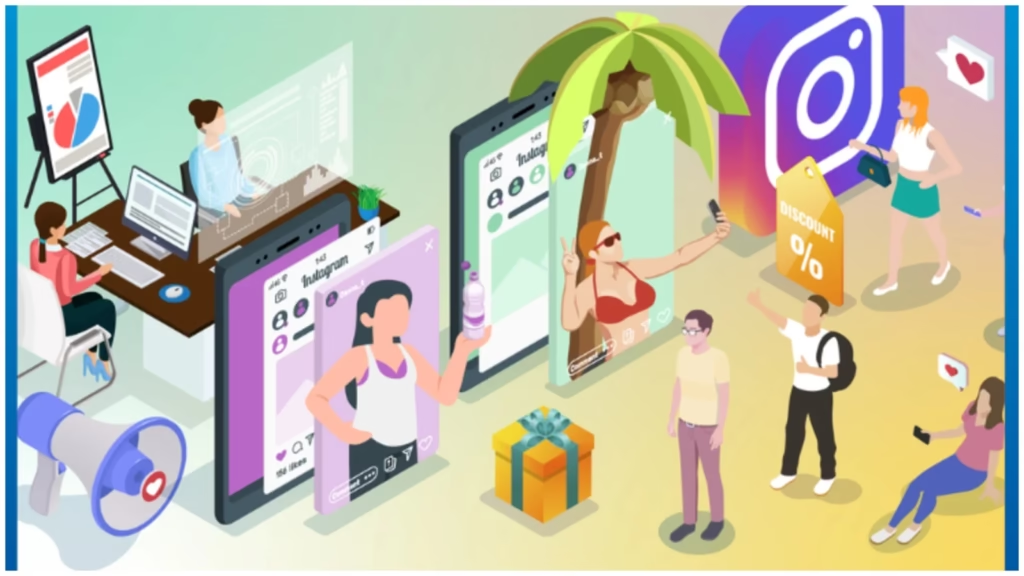
Modern brands often find more success with micro influencers than with massive celebrities because the content feels more authentic. These micro influencers are often seen as “accessible” rather than “unattainable,” which makes their followers more likely to trust their product recommendations. For a targeted brand collaboration, working with several micro influencers can often yield a higher return on investment than a single expensive post from a global star.
ALSO READ: UAE Citizenship for Companies: Everything You Need to Know About the New Law
Gold Price Prediction UAE 2026: Experts Forecast Big Changes for Investors
Comparison: Pros vs. Cons of Influencer Partnerships
When evaluating influencer marketing, the benefits often include increased brand trust, precise audience targeting, and higher engagement compared to traditional media. However, these advantages are balanced by risks such as high costs for top-tier talent and the potential for a creator to act unprofessionally, which could damage a brand’s reputation. While a successful brand collaboration can lead to an immediate sales boost, an insincere or poorly matched partnership can make a company appear inauthentic and lose consumer trust.
Key Benefits of Digital Influence
This list outlines the primary reasons why modern businesses are investing heavily in creator-led marketing campaigns.
- Enhanced Trust: Audiences trust social media influencers more than standard pop-up ads or TV commercials.
- Precive Targeting: Brands can reach specific demographics based on the influencer’s niche, such as fitness, travel, or tech.
- Content Creation: Influencers provide high-quality, creative content that brands can often repurpose for their own channels.
- SEO Boost: Mentions and links from popular social profiles can improve a brand’s visibility on search engines.
Potential Risks and Challenges
This section lists the obstacles that brands might face, including market saturation and the difficulty of tracking exact returns.
- Market Saturation: With so many social media influencers available, it is becoming harder for brands to stand out.
- Lack of Control: Brands cannot fully control how an influencer behaves or presents themselves in their daily lives.
- Fake Followers: Some accounts use bots to inflate their numbers, making it difficult to measure real impact.
- High Costs: Top-tier creators can charge six figures per post, which may be out of reach for smaller businesses.
Frequently Asked Questions (FAQs)
1. How do influencers get paid? They usually receive a flat fee per post or earn a commission through affiliate links and promo codes when a follower makes a purchase.
2. Is a license required for influencers in the UAE? Yes, the UAE influencer market is regulated, and creators who engage in commercial activities must obtain a license from the National Media Council.
3. Why should a brand choose micro influencers over celebrities? Micro influencers often have a more engaged and niche audience, making their recommendations feel more genuine and effective for specific products.
4. What is the future of this industry? The industry is moving toward “Marketing in the Metaverse” and AI influencers, offering even more immersive and lifelike digital experiences.
Conclusion: Navigating the Future of Influencer Marketing
In summary, influencer marketing remains one of the most effective ways to reach a global audience in a personal way. By understanding the local nuances of regions like the UAE and focusing on authentic connections, brands can achieve long-term success. As long as social media continues to thrive, the partnership between creators and brands will remain a cornerstone of modern commerce.
ALSO READ: Ramadan in the UAE 2026: Traditions, Timings, Rules & How to Experience Iftar in Dubai









2 thoughts on “Influencer Marketing: A Comprehensive Guide to its Benefits, Risks, and Global Trends”