
OPEC and OPEC plus (OPEC+) play a critical role in shaping global oil prices, supply, and geopolitical stability. Understanding how these alliances function is essential for businesses, investors, and policymakers alike.
Also Read: Etihad Rail 2026 Launch: Stations, Routes & UAE Travel Guide
What is OPEC?
OPEC (Organization of the Petroleum Exporting Countries) is an intergovernmental organization founded in 1960 to coordinate petroleum policies among member nations and stabilize oil markets.
Who formed OPEC?
OPEC was established by five founding countries:
- Iran
- Iraq
- Kuwait
- Saudi Arabia
- Venezuela
The formation took place at the Baghdad Conference in 1960.
Purpose of OPEC
- Stabilize global oil prices
- Ensure steady income for producers
- Secure supply for consumers
- Regulate production levels
What is OPEC+ ?
OPEC+ is a broader alliance formed in 2016 that includes OPEC members plus major non-OPEC oil producers.
Why was OPEC+ created?
It was formed to strengthen market control after oil price crashes and counter rising competition, especially from U.S. shale producers.
OPEC and OPEC plus: Key Differences
| Feature | OPEC | OPEC+ |
|---|---|---|
| Founded | 1960 | 2016 |
| Members | Oil-exporting countries | OPEC + non-OPEC producers |
| Key Role | Policy coordination | Production coordination at scale |
| Major Players | Saudi Arabia | Saudi Arabia and Russia |
OPEC Member Countries (2026)
- Algeria
- Congo
- Equatorial Guinea
- Gabon
- Iran
- Iraq
- Kuwait
- Libya
- Nigeria
- Saudi Arabia
- United Arab Emirates
- Venezuela
OPEC+ Countries
- Russia
- Kazakhstan
- Mexico
- Oman
- Azerbaijan
- Malaysia
- Bahrain
- Sudan
- South Sudan
How OPEC and OPEC+ Control the World Oil Market
- Production quotas: Members agree to limit or increase output
- Price stabilization: Reducing supply increases prices, and boosting supply lowers them
- Market signaling: Announcements influence global markets
- Spare capacity: Dominated by Saudi Arabia
These actions impact fuel prices, inflation, economic growth, and global markets.
The Hidden Power Behind OPEC and OPEC+
What makes OPEC and OPEC+ truly fascinating is not just their control over oil production but their ability to influence global economies with a single decision. A production cut or increase announced in one meeting can ripple across stock markets, airline ticket prices, food costs, and even inflation rates worldwide. For example, past OPEC+ decisions have triggered immediate spikes or drops in crude oil prices within hours.
These alliances control around 40% of the world’s oil supply and over 70% of proven oil reserves, giving them unmatched leverage. Their meetings are closely watched by governments, investors, and corporations because even subtle policy signals can shift billions of dollars in global markets. In some cases, disagreements within OPEC+ have led to price wars, flooding the market with oil and dramatically lowering prices—showing that their internal dynamics can be just as impactful as their agreements.
The UAE Exit from OPEC: What It Means
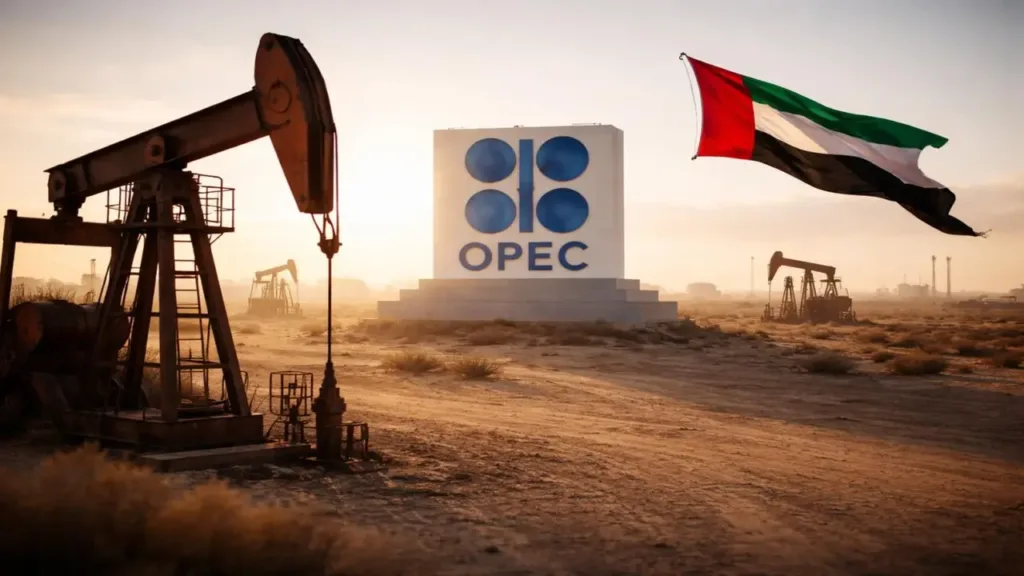
There has been increasing discussion about the United Arab Emirates potentially exiting OPEC, similar to past exits like Qatar.
Potential Global Impact
- Reduced cohesion within OPEC
- Possible increase in oil supply
- Short-term price volatility
- Weakened centralized control
How UAE Could Benefit from Leaving OPEC
- Economic flexibility: Freedom to increase production
- Revenue growth: Capitalize on high oil prices
- Energy diversification: Invest in renewables
- Global partnerships: Expand beyond OPEC
Pros and Cons of UAE Leaving OPEC
| Pros | Cons |
|---|---|
| Production freedom | Loss of collective bargaining |
| Higher revenue potential | Market volatility |
| Strategic independence | Diplomatic risks |
| Diversification opportunities | Reduced influence |
FAQs About OPEC and OPEC+
What does OPEC stand for?
Organization of the Petroleum Exporting Countries.
What is the difference between OPEC and OPEC+?
OPEC is the core group, while OPEC+ includes additional producers like Russia.
Why is OPEC important?
It influences global oil supply and pricing.
Does OPEC control oil prices completely?
No, but it strongly influences them.
Why would the UAE leave OPEC?
To gain flexibility, increase revenue, and diversify its economy.
Conclusion
OPEC and OPEC+ remain central to the global energy system, shaping oil markets and economic trends worldwide. A potential UAE exit could mark a shift toward more independent energy strategies, influencing both regional and global markets.





1 thought on “Explore OPEC and OPEC+: What It Means to the World”