
Published: 22 April 2026 at 23 April 2026 | Abu Dhabi | Edited: 23 April 2026 at 05:35 pm
The highly anticipated Etihad Rail 2026 launch is set to transform transportation across the UAE, introducing the country’s first national passenger rail network. This landmark infrastructure project will connect major cities, reduce travel time, and provide a seamless alternative to road travel.
With the official unveiling of all stations, the Etihad Rail network is entering its final phase before passenger operations begin in 2026.
Etihad Rail 2026 Launch Overview
The Etihad Rail 2026 launch will mark the debut of a 900-kilometer railway network spanning the entire UAE. The system is designed to connect 11 cities and key regions across all seven emirates, creating a unified and efficient transport solution.
Trains are expected to reach speeds of up to 200 km/h, significantly cutting travel times. For example, journeys between Abu Dhabi and Dubai could take less than 50 minutes, making daily commuting faster and more convenient.
The rollout will happen in phases throughout 2026, with stations gradually becoming operational.
Also Read: Dubai Metro Feeder Bus Rides Now Free Within Same Zone
Dubai Metro Blue Line Map Revealed: 14 Stations, 2 Routes, Impressive 30km Network by 2029
Etihad Rail & Dubai Metro Blue Line to Improve Dubai Real Estate Prices by 30% | UAE Centre
Full Etihad Rail Station List
Ahead of the Etihad Rail 2026 launch, authorities have confirmed a total of 11 passenger stations across the country.
Major City Stations
These key hubs will serve as the backbone of the network:
- Mohammed Bin Zayed City (Abu Dhabi)
- Jumeirah Golf Estates (Dubai)
- University City (Sharjah)
- Al Hilal (Fujairah)
Newly Announced Stations
Seven additional stations have been revealed to complete the national network:
Al Sila
Emirate: Abu Dhabi
Region: Al Dhafra (Western Region)
Role: Westernmost rail point near Saudi border
Why it matters: Critical logistics gateway connecting UAE to GCC rail network
Status: Freight operational, passenger phase expected
Al Dhannah
Emirate: Abu Dhabi
Region: Al Dhafra
Role: Industrial hub (serving energy sector)
Why it matters: Supports workforce and industrial cargo movement
Status: Freight active, future passenger potential
Al Mirfa
Emirate: Abu Dhabi
Region: Al Dhafra (coastal town)
Role: Coastal access point
Why it matters: Links remote coastal communities to national rail network
Status: Operational (freight), passenger use planned
Madinat Zayed
Emirate: Abu Dhabi
Region: Al Dhafra (central hub)
Role: Administrative and transport center
Why it matters: Key inland connection point for western region
Status: Active freight node, passenger expansion expected
Mezairaa
Emirate: Abu Dhabi
Region: Liwa Oasis
Role: Deep desert access
Why it matters: Unlocks connectivity to one of UAE’s most remote regions
Status: Freight connectivity, long-term passenger relevance
Al Faya
Emirate: Abu Dhabi
Region: Inland corridor (towards Dubai/Sharjah)
Role: Strategic junction
Why it matters: Connects western network to northern emirates
Status: Key transit node in national rail map
Al Dhaid
Emirate: Sharjah
Region: Central Sharjah
Role: Agricultural and inland hub
Why it matters: Expands rail reach beyond major coastal cities
Status: Part of northern UAE expansion
Most of these new stations are located in Abu Dhabi’s Al Dhafra region, improving connectivity to remote and developing areas.
Also Read: Top 5 reasons why UAE Public Transportation win hearts
Dubai RTA Welcomes Students Back to School with Metro-Themed Ice Cream Treats | UAE Centre
How to Get Around Dubai Using Public Transport (2026 Guide)
Why These Stations Matter
- Connects remote regions like Mezairaa
- Strengthens logistics in Al Dhannah
- Expands inland transport via Al Faya
- Opens future travel routes beyond major cities
How Etihad Rail Will Transform Travel in the UAE
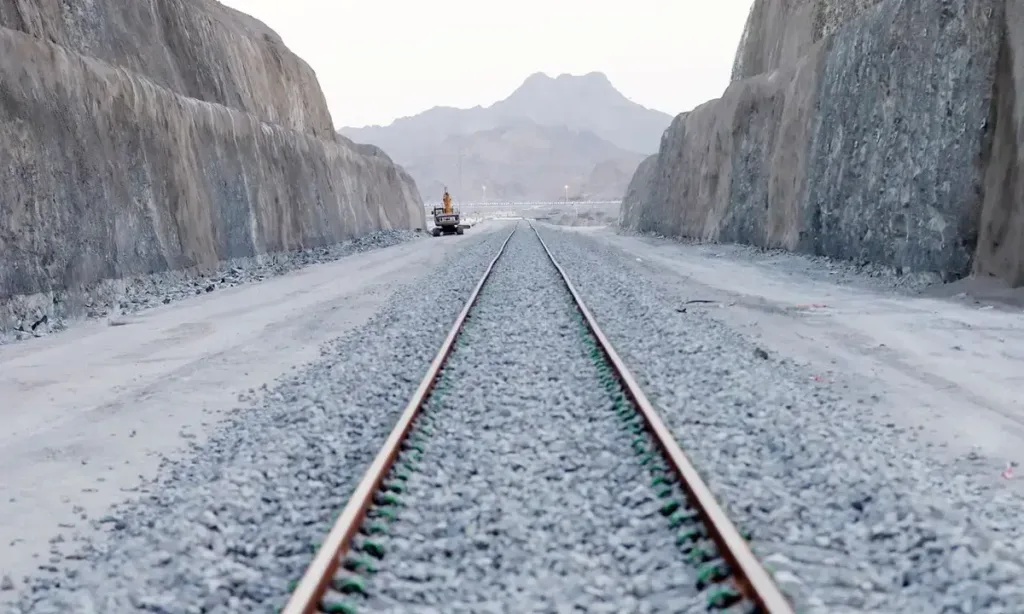
The Etihad Rail 2026 launch is more than just a UAE railway project; it represents a major shift in how people move across the UAE.
1. Faster Intercity Travel
With high-speed trains and direct routes, commuters can expect significantly reduced travel times between major cities. This will make daily commuting between emirates more practical than ever.
2. Nationwide Connectivity
The rail network will connect urban centers, industrial zones, and remote regions, ensuring balanced development across the country. It will also integrate with existing public transport systems, including metro, buses, and taxis.
3. Economic and Tourism Growth
By linking key destinations, Etihad Rail is expected to boost tourism and support economic growth. Easier access to cities and attractions will encourage both domestic and international travel.
4. Sustainable Transport Solution
Rail transport is more environmentally friendly than road travel. The project aligns with the UAE’s sustainability goals by reducing carbon emissions and traffic congestion.
What to Expect from the Etihad Rail Experience
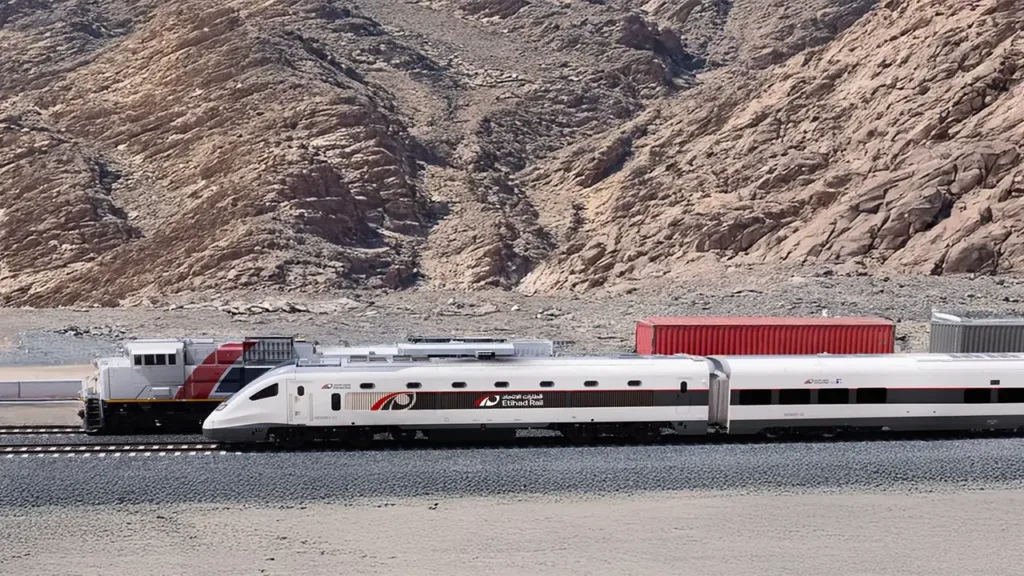
Adra Al-Mansori, who is director of public policy and sustainability at Etihad Rail, stated in a recent interview that highlighted the upcoming launch of passenger services by Etihad Rail, expected in 2026 after years of development involving thousands of experts. The service will initially connect key routes between Abu Dhabi, Dubai, and Fujairah, with journey times of about one hour between Abu Dhabi and Dubai. Designed as a fast, reliable, and comfortable alternative to driving, the trains aim to serve daily commuters, tourists, and families, offering both standard and premium options at accessible pricing.
Beyond transport, the project is expected to boost economic growth, reshape urban development around stations, and give passengers more flexible living and commuting choices by making travel between emirates more predictable and efficient.
- Passengers can look forward to a modern and comfortable travel experience.
- Trains will feature spacious seating, onboard Wi-Fi, and multiple travel classes, including economy and business.
- Each train is expected to carry hundreds of passengers, with frequent departures planned between major cities.
Also Read: Ras Al Khaimah to Dubai Bus Guide: Timings, Cheap Ticket Prices (2026)
Minimum Salary for Personal Loan in UAE (2026 Guide): Real Requirements, Tips & Approval Secrets
UAE Rental Laws and Ejari Registration 2026: Official Guide
Conclusion
The Etihad Rail 2026 launch is poised to redefine transportation in the UAE. This new UAE train system, with 11 strategically located stations, high-speed connectivity, and a focus on sustainability, will revolutionize how residents and visitors travel across the country.
As the launch date approaches, Etihad Rail is set to become a cornerstone of the UAE’s infrastructure—linking communities, boosting the economy, and shaping the future of mobility.
FAQs
What is the Etihad Rail 2026 launch?
The Etihad Rail 2026 launch refers to the official start of passenger train services across the UAE’s national railway network. This project will connect all seven emirates through a high-speed, modern rail system.
When will Etihad Rail start passenger services?
Passenger services are expected to begin in phases during 2026. Freight services are already active; passenger services have been announced but not fully launched
How many stations are included in the Etihad Rail 2026 launch?
The Etihad Rail 2026 launch will include 11 passenger stations located across major cities and key regions in the UAE, ensuring nationwide connectivity.
How fast will Etihad Rail trains be?
Etihad Rail passenger trains are expected to reach speeds of up to 200 km/h, allowing travel between Abu Dhabi and Dubai in under 50 minutes.
What cities will Etihad Rail connect?
The network will connect major cities such as Abu Dhabi, Dubai, Sharjah, and Fujairah, along with developing regions like Al Dhafra and Al Dhaid.
Will Etihad Rail reduce travel time in the UAE?
Yes, the Etihad Rail 2026 launch will significantly reduce travel times between emirates, making daily commuting faster and more efficient compared to road travel.
What facilities will Etihad Rail trains offer?
Passengers can expect modern amenities including comfortable seating, Wi-Fi, multiple travel classes, and high-capacity coaches designed for convenience and comfort.
Will Etihad Rail connect to other public transport systems?
Yes, the railway will integrate with metro systems, buses, and taxis, enabling seamless travel across different modes of transportation.
Also Read: Top Pet Boarding Places in Dubai Best daycare guide 2026
7 Powerful Best Government Apps UAE 2026 That Make Life Easier




5 thoughts on “Etihad Rail 2026 Launch: Full Station List and What It Means for UAE Travel”