

Published: Tuesday, 5 May 2026, at 9:30 pm| Dubai | Edited: Tuesday, 5 May 2026, at 9:30 pm
Emiratisation is currently the top priority for the UAE government to empower local talent within the private workforce. In this article, we will explore the latest deadlines, benefits, and rules in detail to help your business stay compliant.
RELATED READS: UAE health insurance services: How to manage the rising heat and access top care?
The Cost of Starting Business in the UAE in 2026 (What Most, New Entrepreneurs Miss Out On)
Full Guide About The Abu Dhabi Mawaqif Parking Fines
Emiratisation: Navigating the 2026 Targets and Regulations for UAE Firms
Companies must act fast to meet the upcoming mid year hiring requirements.
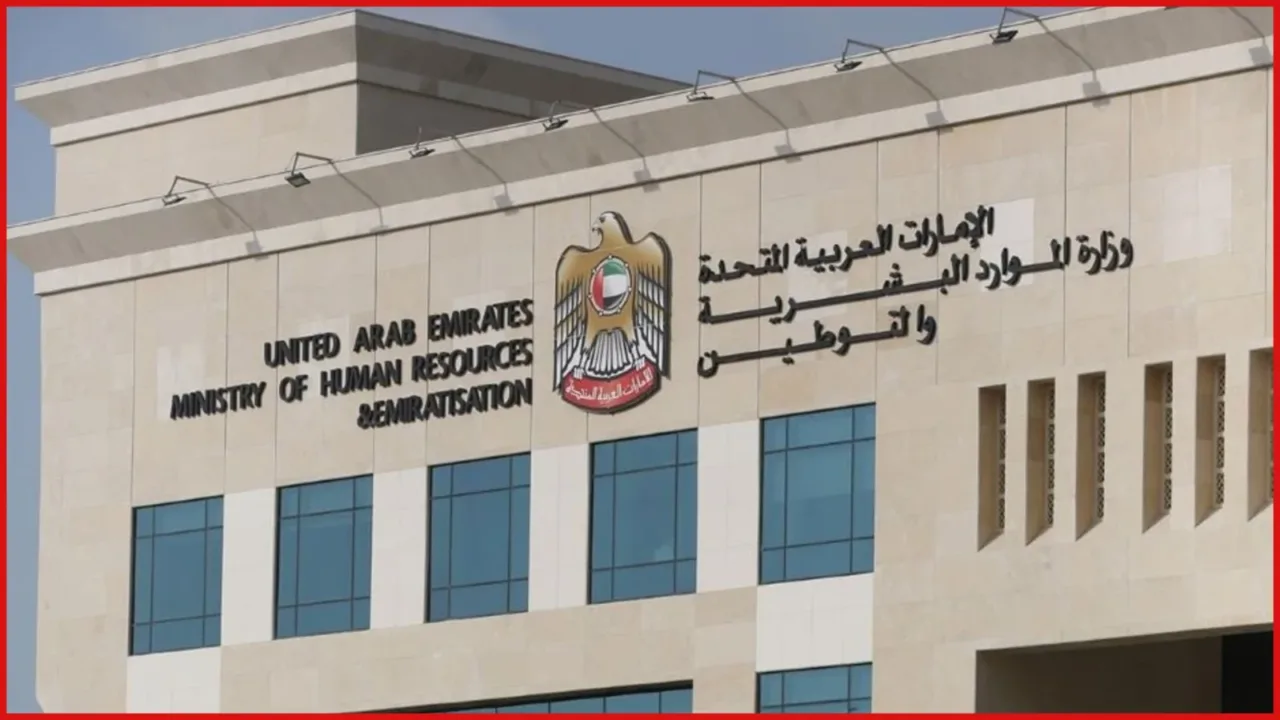
The Ministry of Human Resources and Emiratisation (MoHRE) has officially called on private sector companies with 50 or more employees to meet their semi annual targets. By June 30, 2026, these firms are required to show a 1% increase in the number of UAE nationals employed in skilled roles.
With less than two months remaining, the urgency for recruitment is high. The ministry is using digital monitoring to ensure every firm follows the roadmap toward the national goal of 10% local employment by 2026.
Understanding the Nafis Platform for Recruitment
A dedicated digital gateway designed to connect businesses with qualified Emirati jobseekers.
To assist companies in finding the right talent, the government recommends using the Nafis platform. This tool is essential for hiring Emirati talent because it provides access to a massive database of specialized professionals across various industries.
- Recruitment Support: Access thousands of CVs from verified UAE nationals.
- Training Programs: Nafis helps in upskilling new hires to fit specific company needs.
- Speed: The platform streamlines the process to help meet deadlines quickly.
Key Benefits of Emiratisation for Businesses
Achieving hiring targets offers more than just legal safety, it provides financial and operational perks.

Many employers view these targets as a challenge, but Emiratisation actually offers several strategic advantages. Companies that lead in local hiring often receive priority in government tenders and enjoy a stronger reputation in the Middle East market.
- Reduced Service Fees: MoHRE offers significant discounts on work permit fees for compliant companies.
- Salary Support: Through Nafis, the government provides a ‘Salary Top up’ to Emirati employees, reducing the firm’s payroll burden.
- Pension Contributions: The government shares the cost of pension and social security for local staff.
- Local Expertise: Emirati staff bring invaluable cultural insight and linguistic skills to the workplace.
Etihad Rail 2026 Launch: Full Station List and What It Means for UAE Travel
Financial Penalties for Non Compliance
Failing to meet the 1% semi annual target results in immediate and recurring fines.
The MoHRE private sector rules are very strict regarding missed targets. If a company fails to hire the required number of locals, they must pay a monthly fine for every citizen not appointed.
- Starting Fines: Fines usually begin at AED 6,000 per month for each vacant Emirati target role.
- Annual Increase: These penalties increase every year, making it more expensive to remain non compliant.
- Legal Action: Digital field monitoring systems now track compliance automatically, leaving no room for manual errors or delays.
Emiratisation Rules for Small Companies
Small businesses in specific sectors are no longer exempt from local hiring mandates.
Previously, only large firms were targeted, but the MoHRE private sector rules now extend to smaller establishments with 20 to 49 employees. Companies operating in 14 specific sectors such as Real Estate, Education, and Healthcare must hire at least one Emirati per year.
- Target Sectors: Includes high growth industries like Information & Communication and Financial services.
- Annual Target: Small firms must appoint at least one UAE national by the end of the year.
- Compliance Verification: Just like large firms, small businesses are monitored through the same digital systems.
Warning Against Fake Emiratisation
The government is taking a zero tolerance approach toward fraudulent hiring practices.
Authorities have warned against ‘Fake Emiratisation’, which involves hiring locals on paper without giving them actual work. This is a serious offense that can lead to the permanent closure of a business.
- Heavy Fines: Companies caught in fraud face massive financial penalties.
- Blacklisting: Firms may be downgraded in the MoHRE classification system.
- Criminal Charges: In some cases, legal action is taken against both the employer and the ‘fake’ employee.
Conclusion
Meeting the Emiratisation targets by June 30 is a national duty that benefits your company and the UAE. Stay compliant to enjoy government support and avoid unnecessary fines.
FAQ
1. What is the deadline for the next Emiratisation target? The current semi annual deadline is June 30, 2026. Companies must show a 1% increase in skilled Emirati hires by this date.
2. Which companies are affected by the 1% target? All private sector companies with 50 or more employees are required to meet this semi annual target.
3. What happens if my company fails to meet the target? Companies face a monthly financial penalty starting from AED 6,000 for every Emirati not hired as per the target.
4. What are skilled roles according to MoHRE? Skilled roles generally include managerial, professional, and technical positions that require specialized qualifications.
5. How does the Nafis platform help employers? Nafis connects employers with Emirati jobseekers and provides financial subsidies for salaries and training costs.
ALSO READ: Flying Tiger Glasses Recall: High Metal Levels Trigger Urgent Warning from UAE Authorities





1 thought on “Avoid Heavy Fines: A Guide to the UAE’s New Emiratisation Compliance Rules”