

Published: Sunday, 31 May 2026, at 12:11 pm| Dubai| Edited: Sunday, 31 May 2026, at 12:14 pm
The UAE government has announced several updates that will change the corporate, financial, and daily lives of residents. These UAE New Rules are designed to improve the quality of life, secure financial transactions, and boost the digital economy across all emirates.
Every expatriate and business owner must understand these laws today to prepare for tomorrow. Here is a detailed guide to the five major changes taking effect this June.
Strict Salary Protection for Private Sector Employees
This section explains the updates regarding monthly wage payments for private sector workers.
The first major update focuses directly on the welfare of employees working in private companies. The government has introduced a strict update to the UAE salary protection law to ensure financial stability.
Previously, companies had a flexible grace period of 15 days to distribute monthly wages to their staff. However, under the updated UAE salary protection law, this grace period is completely removed.

- New Deadline: Employers must pay the monthly salary on the first day of the following month or even before that.
- Strict Penalties: Companies that delay payments will face immediate government action, legal fines, and corporate blacklisting.
- Expat Benefits: This step ensures complete financial security and helps expats plan their monthly expenses without stress.
ALSO READ: New UAE Private Sector Wage Rule Complete Guide: Crucial Insights for Both Employers and Workers
Corporate Age Limit
This section highlights the new legal age for signing business contracts and starting companies.
The second change brings a massive opportunity for young entrepreneurs and tech-savvy youth in the country. This is one of the most exciting parts of the UAE New Rules implemented this year.
The legal age for entering commercial contracts and starting a business was 21 years previously. From June 1, the government has officially lowered this legal age limit to 18 years.

- Teenagers who are 18 years old can now sign legal business agreements independently.
- They can open and manage corporate bank accounts without needing any guardian permission.
- This rule promotes new startups and allows young minds to drive the local economy forward.
Update to UAE Banking OTP Rules
This section covers the safety updates introduced by banks regarding secure OTP delivery.
Financial security is getting a huge upgrade to protect users from rising online scams and phishing attacks. Leading financial institutions are changing their security protocols based on the UAE banking OTP rules.
Banks will completely stop sending One-Time Passwords (OTPs) through WhatsApp channels from tomorrow. This temporary digital path is being removed to prevent hackers from accessing private banking data.

- New Channels: All secure OTPs will now be sent only via traditional SMS or through official mobile banking apps.
- Safety Advice: Customers must download official bank applications to receive secure notifications instantly.
- Official Support: For any doubts, residents must contact the official customer care numbers instead of clicking random links.
- Following these UAE banking OTP rules will keep your hard-earned money safe from cyber criminals.
5% VAT on Dubai Parking and Salik
This section details the new tax implementation for public parking fees and road toll services.
Drivers in Dubai will see a small change in their daily travel expenses from tomorrow. A new update regarding Dubai parking VAT has been officially implemented by the authorities.
A 5% Value Added Tax (VAT) is now mandatory for all public parking fees and Salik road toll charges. Previously, these services did not include tax because they were managed directly by the Road and Transport Authority (RTA).

- The Reason: The public parking and toll systems are now listed under corporate private entities.
- The Rule: Since private entities must follow national tax laws, the standard 5% Dubai parking VAT is now applicable.
- Impact: Drivers will see a minor adjustment in their smart wallets when crossing toll gates or parking cars.
Expansion of Paperless Dubai Digital Parking System
This section discusses the transition to an entirely paperless parking mechanism in the city.
The final update is a major step toward the smart city vision and environmental sustainability goals. The authorities are rapidly expanding the paperless Dubai digital parking network to more commercial and residential areas.
Physical paper tickets will be completely removed from car windshields under this modern system. Drivers will no longer need to find physical machines to print parking receipts.
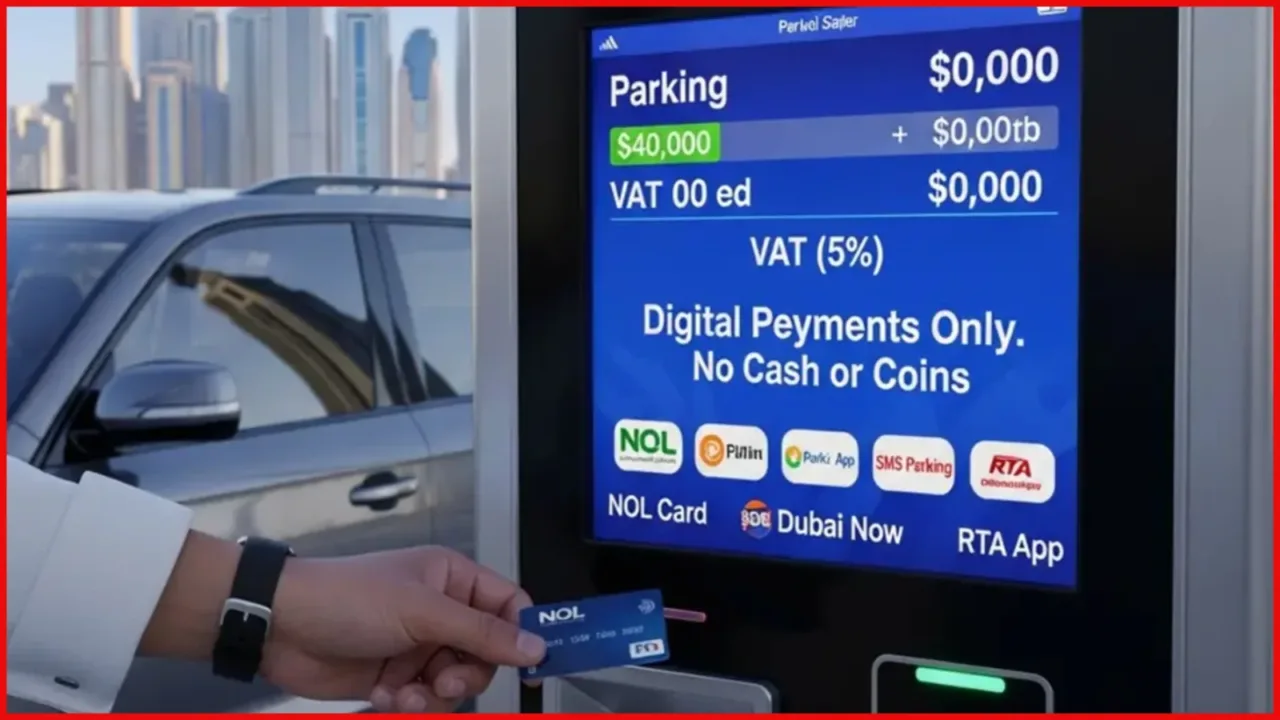
- Smart Methods: Residents can pay parking fees easily using smart applications, WhatsApp, or SMS dashboard systems.
- QR Codes: New parking zones will feature large QR codes that drivers can scan to pay instantly.
- E-Receipts: The entire monitoring process is digital, and traffic officers will scan license plates electronically to check validity.
- Embracing Dubai digital parking will make daily commuting much faster, cleaner, and eco-friendly for everyone.
ALSO READ: Complete Guide to Dubai Parking Cashless Update: New App Payments, Nol Card Rules from June 1
Conclusion
These historic changes are implemented to upgrade infrastructure and protect your financial rights. It is highly important for every citizen and expat to respect and follow these UAE New Rules for a better future.
FAQ
1. What are the key focus areas of the UAE New Rules starting June 1?
The new rules mainly focus on private sector salary security, lower business age limits, digital parking upgrades, banking safety, and new VAT updates for transport services.
2. What is the new deadline under the UAE salary protection law?
Under the updated UAE salary protection law, companies must pay their employees’ monthly wages on or before the first day of the next month without any 15-day delay.
3. How will the Dubai digital parking system work now?
The Dubai digital parking system is now completely paperless. Drivers must pay their fees using official smart apps, SMS, or QR codes instead of putting paper tickets on windshields.
4. Why is Dubai parking VAT being charged now?
The parking and Salik systems are now managed under private corporate structures. Therefore, the standard 5% Dubai parking VAT has become applicable to these transport services.
5. What are the changes to the UAE banking OTP rules?
According to the new UAE banking OTP rules, banks will stop sending OTPs via WhatsApp. Users will receive them only through official banking apps or direct registered SMS for better security.




1 thought on “5 Major Changes From June 1: How the UAE New Rules on Salaries, Banking, and Parking Affect You”