
Published: Monday, 13 July 2026 , at 8:19 am| Dubai | Edited: Monday, 13 July 2026, at 8:27 am
The geopolitical situation in the Middle East has taken a highly volatile turn, driving immediate anxiety through global energy markets. To find out how this sudden escalation impacts global trade and personal safety, read our detailed Iran War News breakdown below.
ALSO READ:
- After the Iran War Ends: Trump Pushes Arab and Muslim Leaders to Join Abraham Accords
- How the Iran Conflict is Reshaping Life and Economy in the Gulf? A 2026 Survival Guide
- A Critical Threat to Your Wealth: How Iran War Affects Gulf Countries Economically? Read Bloomberg Report…
Major Escalation in the Middle East: Key Details of the US-Iran Conflict
An overview of the sudden military engagement that shattered the recent maritime peace agreements.
The latest batch of Iran War News highlights a severe breakdown of the June peace memorandum between Washington and Tehran. Direct military action has resumed at the mouth of the Arabian Gulf, sending shockwaves through international diplomatic circles.
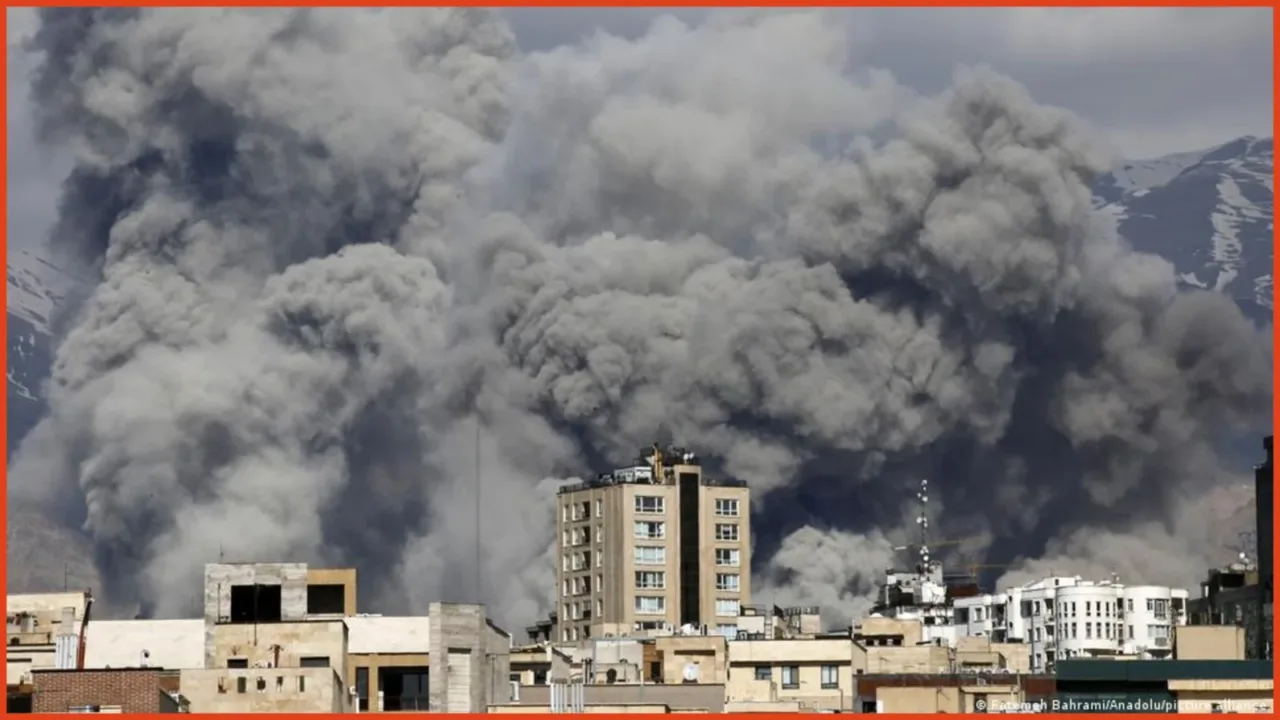
- US Central Command (CENTCOM) launched heavy airstrikes on multiple targets inside Iran on Sunday.
- The strikes were retaliation after Iranian forces targeted a Cyprus flagged commercial vessel named MV GFS Galaxy.
- Iran’s Persian Gulf Strait Authority responded by limiting access to safe passage routes in the waterway.
- The escalation immediately broke the stability built after the diplomatic talks held on June 17.
Crude Oil Prices Spike Following Waterway Hostilities
Analysis of the sudden 4% increase in international energy benchmarks due to supply threat fears.
Energy markets reacted instantly to the fighting, causing a noticeable crude oil prices spike during early morning trading hours. Traders fear prolonged blockades along the corridor that channels one fifth of global oil volumes.
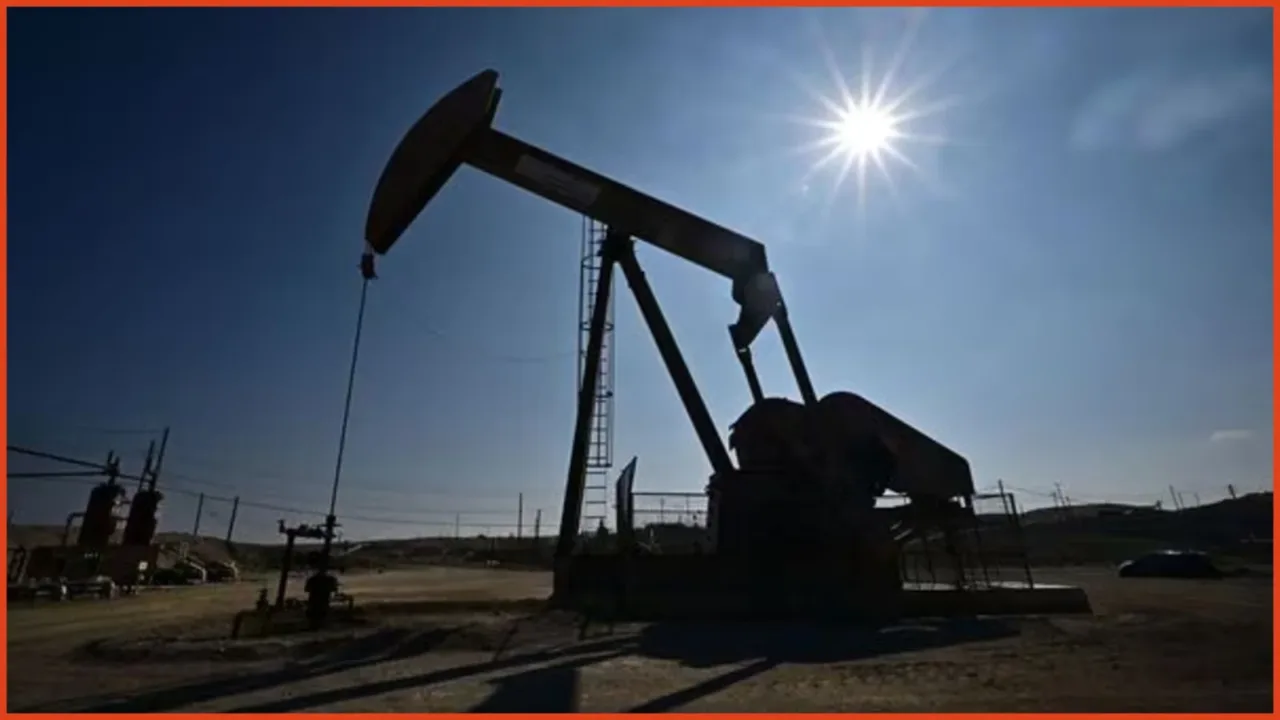
- Brent crude international futures jumped more than 4% on Monday morning.
- Prices reached a high of 79.17 dollars per barrel for September delivery, the highest market level since late June.
- The current market price sits roughly 9% higher than before the initial conflicts started in February.
- Market experts project Brent prices to fluctuate within the upper 70 range through August and September.
Strategic Impact Tracked Through Strait of Hormuz Conflict Updates
A data driven look at the rapid decline of commercial maritime traffic crossing the hot zone.
According to the latest Strait of Hormuz conflict updates, shipping corporations are altering routes to protect assets. Data from maritime intelligence platforms like Windward show a dramatic drop in daily ship crossings.
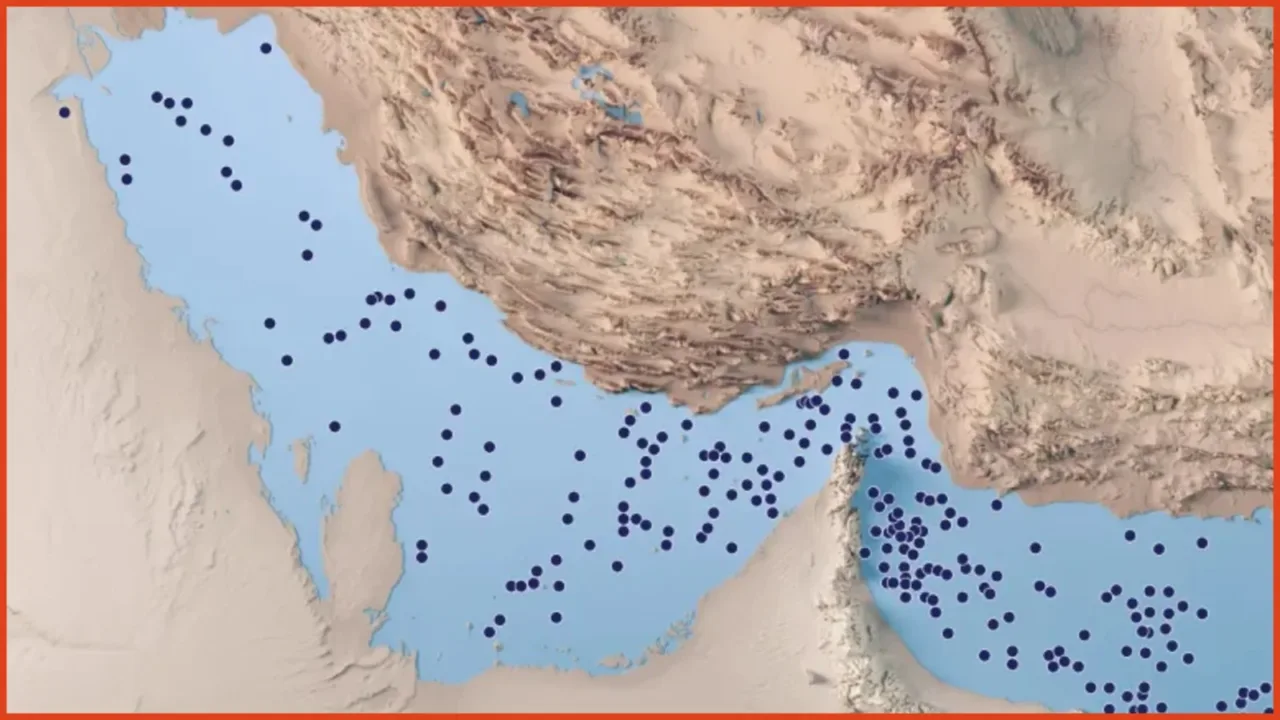
- Daily peacetime traffic usually sees around 130 vessels crossing the vital strait every day.
- Recent tracking showed traffic dipping to just six vessels during peak periods last week.
- A major portion of the current minimal traffic consists purely of Iranian flagged vessels.
- Global oil refiners are actively switching to long haul procurement to minimize reliance on Middle Eastern supply lines.
ALSO READ:
- The Shattered Oasis?! Explaining the Deep Impact of Gulf War Crises on Middle East Geopolitics
- US Navy’s Most Expensive Drone Crashes in the Persian Gulf
Global Markets Slide After Intense US Iran Military Clashes
Reviewing the immediate negative performance of major Asian stock markets following the weekend attacks.
The impact of the sudden US Iran military clashes extended far beyond oil terminals, immediately hitting major global financial trading floors. Investors pulled back investments, causing index drops across Asian economic hubs on Monday morning.
- Japan’s benchmark Nikkei 225 fell by more than 1% during early trading sessions.
- South Korea’s Kospi index suffered the heaviest blow, plunging over 5%.
- Hong Kong’s Hang Seng index also registered losses, dipping by 0.2%.
- Analysts suggest high risk premiums will continue to suppress market confidence in the near term.
Gulf Region Safety: Stability and Security Guidelines for Local Residents
Crucial security context and instructions for residents living across the wider Middle Eastern countries.
The recent escalations involved retaliatory drone and missile attacks launched by Iranian forces toward the UAE, Qatar, Kuwait, Oman, and Bahrain. Despite these external events, the latest Gulf region safety news remains deeply reassuring, and citizens do not need to panic.
- Gulf nations maintain exceptionally strong, advanced air defense systems and domestic security protocols to protect everyone.
- Local authorities are fully prepared to handle any regional spillover effects safely and efficiently.
- Residents and expatriates must strictly follow official government instructions and stay away from spreading rumors.
- Always keep an eye on official updates from local police and civil defense channels for accurate guidance.
Conclusion
While the escalating conflict creates waves in global energy markets, security frameworks in the Gulf remain incredibly strong. Stay safe by making sure you strictly follow official government instructions and guidelines.
ALSO READ:
- Horror in the Sky: Passenger Sucked Out of Window on Ryanair Flights After Engine Blowout
- How Your Etihad Rail Ticket Can Get You Major Discounts on Fujairah Hotels?
FAQs
How much did Brent crude oil prices rise after the attacks?
Brent crude prices jumped over 4 percent to reach 79.17 dollars per barrel on Monday.
Which Gulf countries faced retaliatory drone threats from Iran?
Iran launched drone and missile waves toward the UAE, Qatar, Kuwait, Oman, and Bahrain.
Should residents in the Gulf region be worried about daily safety?
No, Gulf defense networks are incredibly secure, but everyone must strictly follow official government instructions.
How did Asian stock markets respond to the US-Iran clashes?
Major Asian stock markets dropped, with South Korea’s Kospi index plunging more than 5%.