

Published: Sunday, 7 June 2026, at 9:09 pm| Dubai | Edited:Sunday, 7 June 2026, at 9:17 pm
The famous mantra of FIFA is that football unites the world. However, this world cup is set to kick off with intense regional tensions on full display. Navigating World Cup 2026 geopolitics is now essential for every international supporter looking to travel or follow the matches. Let us dive into the details to understand World Cup 2026 Geopolitics.
RELATED READS: How to Watch FIFA World Cup 2026?: Complete Match Fixtures and Live Streaming Guide
Who to Watch: World Cup 2026 Key Players and All Team Squads
Host Country Relationships and Divided Matches
A look at the strained political relations among the three co-hosting North American nations.
This is the very first time that three separate countries are jointly hosting the tournament. The United States, Canada, and Mexico originally planned this massive event back in 2017. Since then, regional political relations have shifted dramatically.
Tensions have risen during the second Trump administration over trade disagreements, immigration laws, and border enforcement. Because of these diplomatic shifts, onlookers are questioning how smoothly the joint tournament will actually operate.
The physical match distribution is heavily weighted toward one side. The United States will host 78 out of the 104 matches across 11 major cities. Meanwhile, Canada and Mexico will each host 13 matches. Canada will split games across two cities, while Mexico uses three distinct municipal venues.
How World Cup 2026 Travel Restrictions Impact Attendance
An analysis of strict entry bans and visa pauses affecting fans from multiple qualified countries.
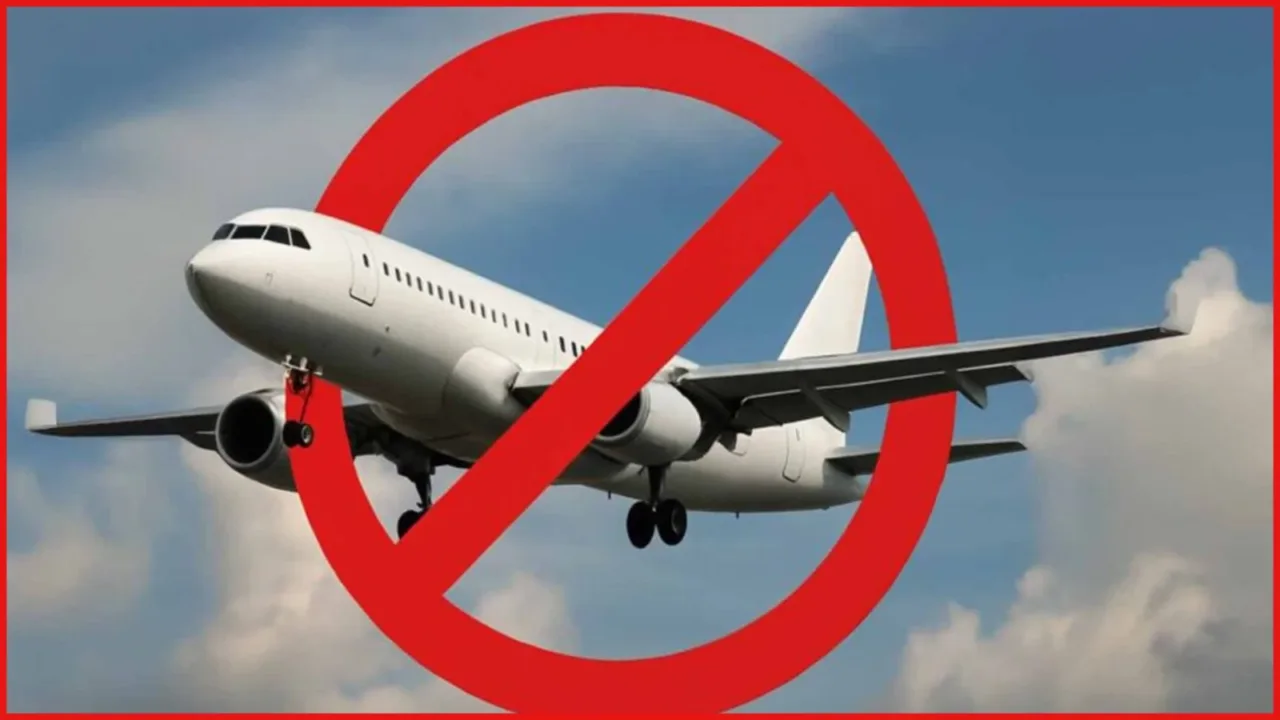
The current administration has put a strict travel ban in place that blocks citizens from 39 nations from entering the United States. Additionally, immigrant visa processing has been paused for 75 nations. While special exemptions exist for athletes, coaches, and training staff, regular fans face a much harder path.
The State Department clarified that only a tiny subset of travelers will qualify for sports exemptions. This policy directly impacts international spectators in several major ways:
- Exclusion of Regular Attendees: Because exemptions are highly limited, ordinary football fans, media personnel, and corporate sponsors from restricted regions are effectively left out.
- Total Entry Bans: Two qualified nations face severe hurdles. Haiti and Iran are under complete entry bans, meaning their fans cannot attend matches on U.S. soil unless they hold dual citizenship with an unrestricted country.
- Partial Travel Limitations: Countries like the Ivory Coast and Senegal face partial travel restrictions, heavily reducing the number of fans who can travel to support their teams.
- Extreme Visa Scrutiny: Fans from nations on the visa pause list, including Egypt, Ghana, Jordan, Morocco, Uruguay, and Uzbekistan, can legally apply for tourist visas, but border agencies will review their applications with extreme care.
This strict screening environment has created a psychological barrier, causing many international supporters to skip the U.S. matches entirely and travel to Canada or Mexico instead.
Visa Bond Rules and Soaring Ticket Expenses
A breakdown of the unexpected financial hurdles and hidden fees facing international stadium visitors.
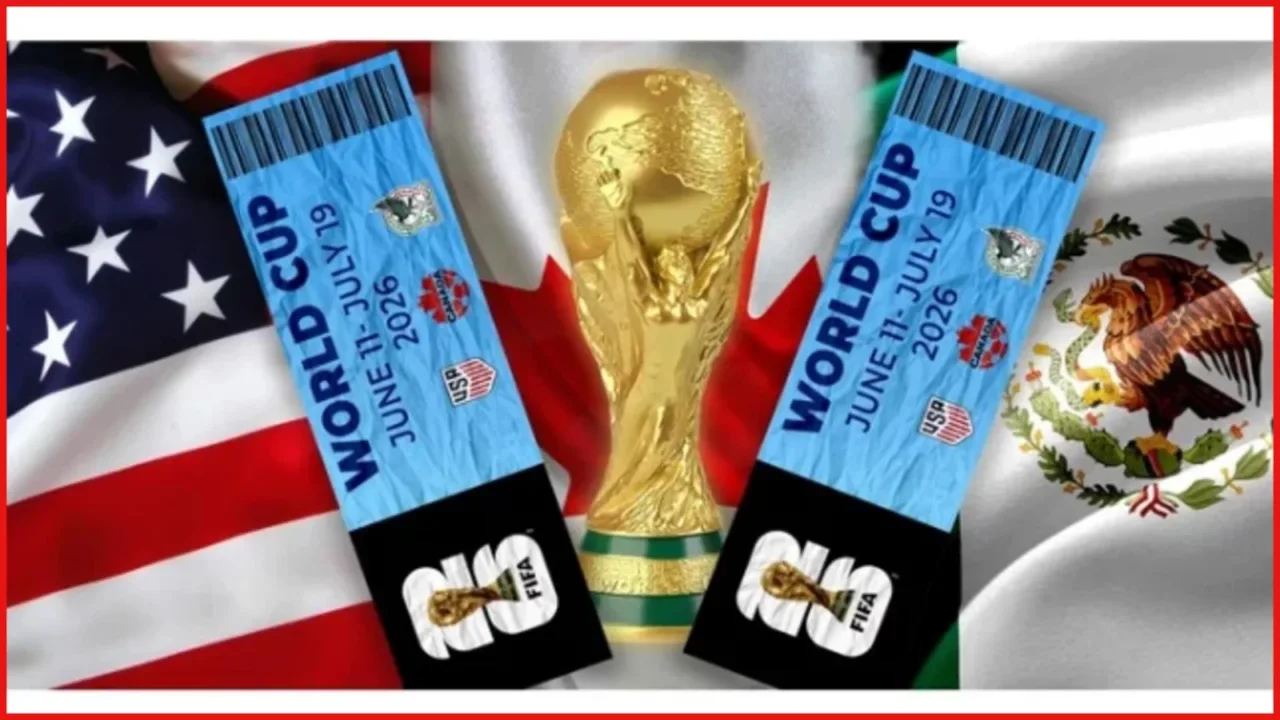
Attending this world cup is an incredibly expensive endeavor. Ticket prices are currently ranked as the costliest in football history, and ongoing regional military conflicts have driven international airline prices to record highs.
Finances became even more complicated due to a temporary border policy. Non immigrant visa applicants from five specific countries, Algeria, Cape Verde, the Ivory Coast, Senegal, and Tunisia, were originally told they must pay a massive $15,000 cash bond just to step onto U.S. soil.
Fortunately, the government waived this rule in mid May for individuals who had secured match tickets by mid April. Even with the bond waived, the high cost of lodging and travel is pricing out thousands of traditional football supporters.
Evaluating World Cup 2026 Security Issues and Cartel Violence
A review of local security budgets and unexpected criminal outbursts near tournament venues.
Large sports gatherings always require heavy protection, but the scale of this 48 team event has magnified potential dangers. This reality makes studying World Cup 2026 security issues a top priority for independent intelligence agencies. The U.S. government has distributed $846 million in safety grants across nine host states to upgrade cybersecurity, drone defense, and emergency responses.
Official intelligence briefings warned in March that the risk of extreme attacks or civil unrest has risen. These security warnings are linked to ongoing international conflicts and protests over local domestic border policies.
Meanwhile, severe cartel violence created sudden chaos in Mexico. A high profile military operation targeting a local drug lord led to widespread riots in Guadalajara, a key host city. Armed groups set fire to public transport buses and blocked major highways. While this unrest hurt regional tourism, local organizers emphasize that security forces have since stabilized the area around the stadium. Canada remains the only host nation with no notable security alerts.
The Enforcement Debate: ICE and Border Control Screenings
Ongoing arguments regarding aggressive immigration police presence inside major sports stadiums.
The role of U.S. Immigration and Customs Enforcement (ICE) has sparked intense domestic debate. The agency announced it would take a leading role in securing tournament venues. This decision quickly alarmed several visiting nations. Countries like Germany and the United Kingdom have warned their citizens about aggressive local enforcement, while Ecuador has openly criticized the plan.
Democratic lawmakers tried to pass three bills to limit immigration raids around the matches, but the laws will not clear the Republican controlled Congress in time. This heavy police presence has even upset local venue workers.
Hospitality staff at Los Angeles’ famous SoFi Stadium broke off contract talks and threatened to strike. Their primary demand is to keep immigration enforcement officers completely out of stadium grounds. Many experts argue that treating sports fans as immigration risks damages the festive atmosphere of the game.
Player Safety Concerns and Evolving Team Logistics
How international military conflicts and extreme summer heatwaves endanger competing athletes.
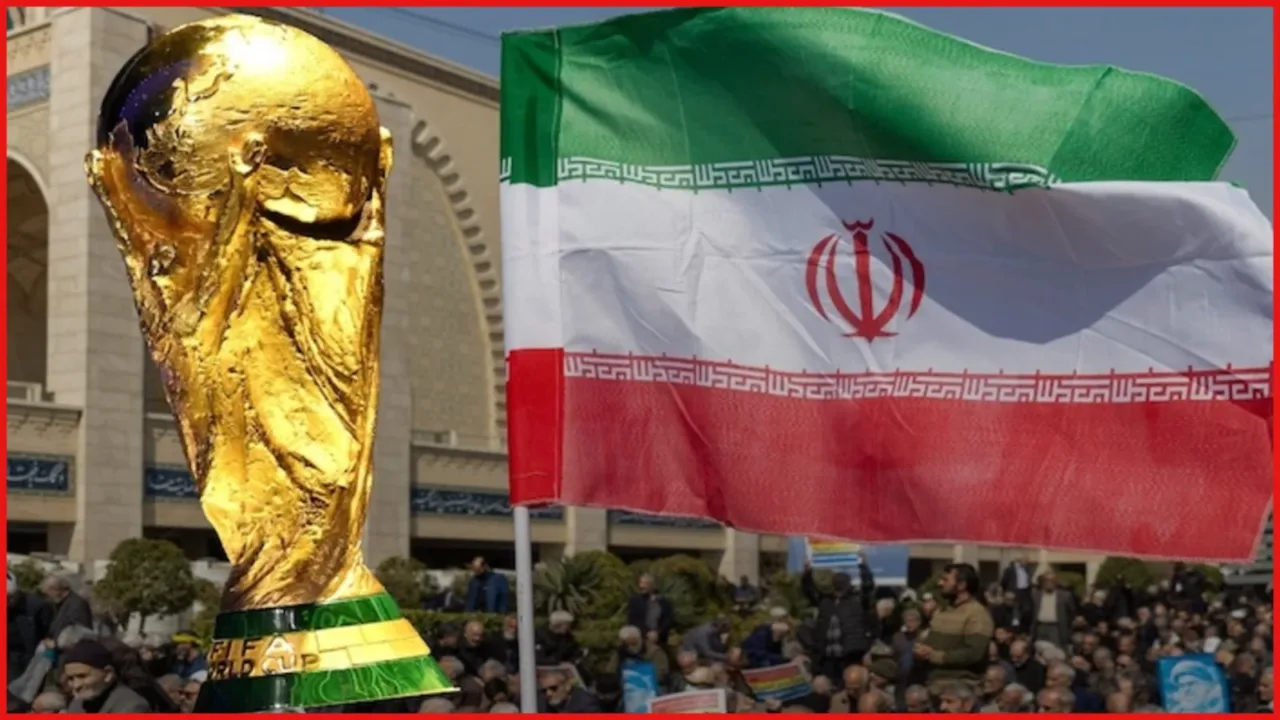
Athlete safety has become a complex issue due to ongoing international conflicts. The Iranian national team initially considered a total tournament boycott over safety worries. To resolve this, FIFA allowed Iran to move its primary training camp from Arizona to Tijuana, Mexico.
This move allows the team to live in Mexico and simply cross the border for scheduled match days. However, visa delays have disrupted their plans, leaving players waiting for final entry papers just days before the opening match.
Apart from political tensions, natural weather conditions pose a physical threat to athletes. Venues in Los Angeles and Mexico City face extreme summer heatwaves. While stadiums in Atlanta and Texas feature advanced temperature control, other open-air fields place players at high risk of heat exhaustion.
Boycott Debates and Human Rights Appraisals
A summary of failed political boycotts and independent reports on poor stadium working conditions.
While 20 European football leaders and various politicians discussed staging a tournament boycott, no country withdrew its team. The chance of a multi nation strike remains extremely low because players refuse to give up their dreams of competing on the global stage.
Instead, individual fan boycotts are more common, with many supporters reselling their tickets. Interestingly, FIFA collects a 15% transaction fee from both the buyer and the seller on its official resale platform, turning the protests into a source of revenue.
The tournament is also facing heavy criticism regarding human rights. For the first time, host cities had to submit official human rights protection plans. For example, Atlanta promised to raise worker wages to $17.50 an hour, while Vancouver set up strict anti discrimination rules.
Despite these promises, Amnesty International and Human Rights Watch issued worrying reports. They noted that almost every local committee has failed to execute its safety plans effectively, highlighting a major gap between political promises and reality.
Conclusion
This historic tournament serves as a crucial test case for future multi nation hosting setups. While the game will certainly bring thrilling moments on the pitch, the surrounding political actions prove that sports can never be fully separated from global events.
FAQ
Which countries are directly impacted by the travel bans during the tournament?
Fans from Haiti and Iran face complete entry bans into the United States, while citizens of the Ivory Coast and Senegal face partial travel restrictions.
Where will the majority of the football matches take place?
The United States will host 78 matches across 11 cities. Canada and Mexico will each host 13 matches in their respective local stadiums.
Are qualified football players subject to the general travel bans?
No, qualified players, coaches, and official team staff are exempt from the travel bans, though they still face rigorous visa screening processes.
Why are local stadium workers in Los Angeles planning a strike?
The hospitality union at SoFi Stadium is threatening to strike to improve working conditions and ensure immigration enforcement officers are kept off venue grounds.
How much revenue is this tournament expected to generate?
Due to the expanded 48 team format and high ticket prices, this edition is projected to bring in a record breaking $11 billion in total revenue.




4 thoughts on “Will 2026 Be the Most Controversial World Cup in History? Inside the Geopolitical Drama”