Published: Wednesday, 3 June 2026, at 5:57 pm| Dubai | Edited:Wednesday, 3 June 2026, at 5:59 pm
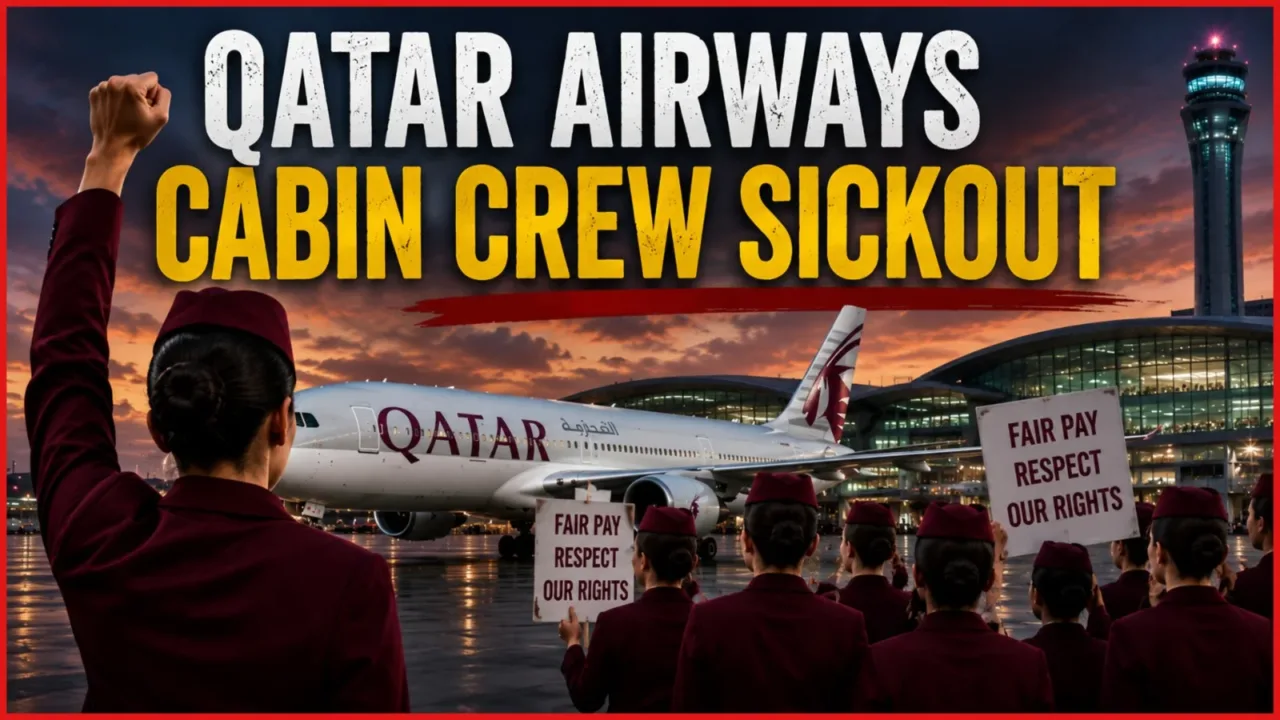
The international aviation community is closely watching Doha as a historic Qatar Airways Cabin Crew Sickout unfolds, marking an unprecedented shift in regional labor dynamics. Read on to discover the full details behind this unfolding crisis and what it means for the future of global travel.
RELATED READS: No More Airport Reels: India Issues Strict Warnings with Heavy Fines and Flight Bans for Travelers
Moving to DWC: Dubai International Airport to Close and Relocate by 2032
Qatar Airways Cabin Crew Launch Unprecedented Mass ‘Sickout’ Protest
A quick summary of the financial frustrations that drove the airline’s staff to protest.
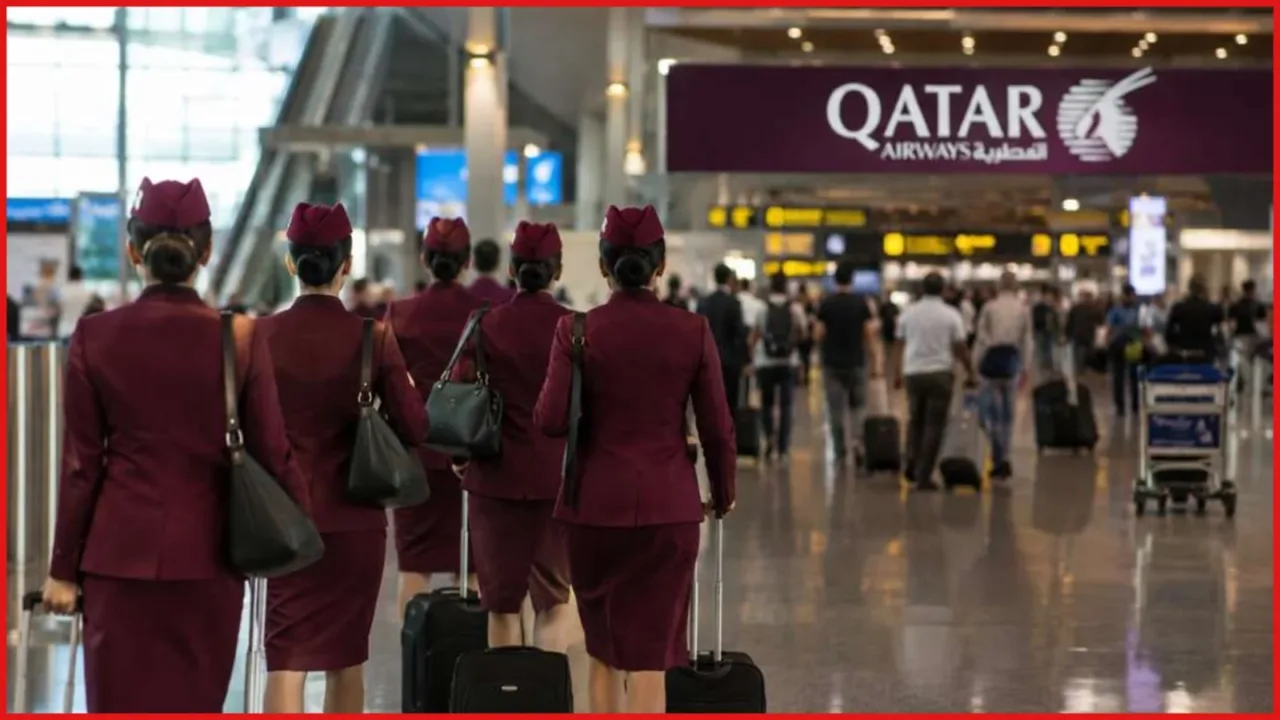
Anger had been building within the airline ever since management announced its yearly results. Despite making a massive profit of nearly $2 billion, the airline told staff they would not receive a bonus. Management blamed regional issues and grounded flights, but the crew felt ignored.
The decision felt incredibly unfair when compared to other regional airlines. To understand why the crew is so upset, here are the main facts
- The Competitor Contrast: Nearby Emirates paid its staff a huge bonus equal to 20 weeks of basic salary under similar regional market conditions.
- Reduced Core Earnings: Because of fewer flights, the crew was already earning less money from flying allowances and layover per diems.
ALSO READ: Emirates Sets New Industry Standard with Massive 20-Week Staff Bonus
High Stakes: Navigating Qatar’s Strict Labor Laws
An analysis of the severe legal risks workers face under local corporate regulations.

What makes this protest historic is the country where it is taking place. In Qatar, labor unions are banned, strikes are illegal, and public protests are strictly prohibited. For a workforce made up mostly of foreigners, taking collective action is extremely risky.
This tension also comes during a time of big management changes. After years of strict rules under former CEO Akbar Al Baker, a brief era under Badr Al Meer gave the crew more freedom. However, Al Meer was suddenly replaced by Hamad Ali Al-Khater, making workers worry that their basic rights might be quietly taken away.
Airport Impact: Widespread Delays Across the Doha Hub
A summary of how the staff shortage has affected flight schedules at Hamad International Airport.
The sudden shortage of available cabin crew immediately hit the airline’s busy hub on Monday. Flight Radar 24 data showed that around 130 flights faced departure delays leaving Doha Hamad International Airport.
While flight tracking apps confirmed that no flights have been canceled yet, the widespread delays show a clear warning. Even a top global airline can be slowed down when its front line staff decides to quietly stand together.
The Gen Z Factor: A New Era of Workplace Expectations
An insight into how a younger generation of flight attendants views labor rights and corporate loyalty.

This unexpected stand shows a big cultural shift driven by Gen Z workers, who now make up a large part of the cabin crew. Unlike older generations who stayed silent out of fear, younger workers believe that respect and fair pay must go both ways.
To these younger employees, a company making billions in profit while cutting worker bonuses is unacceptable. They refuse to stay quiet and are using smart ideas like coordinated sick days to bypass strict laws and show their frustration.
ALSO READ: Emirates Pilot Salary and Benefits 2026: A Complete Guide on How to Join
Emirates Center Guide: Office Locations, Contact Numbers & Services (2026)
Industry Outlook: Is This a Future Threat to Global Aviation?
A strategic look at how this incident could permanently change things for international airlines.
Looking ahead, this silent protest could become a major long term challenge for the aviation industry. Major Gulf airlines rely heavily on recruiting foreign workers who are expected to work perfectly under very strict local rules.
If a mass sickout can happen in a highly regulated country like Qatar, it sets a brand new precedent. Airlines worldwide may soon realize that traditional laws are no longer enough to stop an exhausted, digitally connected workforce from demanding fair treatment.
Conclusion
This unprecedented labor dispute shows that even the world’s most powerful airlines must balance corporate profits with staff welfare. Knowing these hidden details helps us understand exactly where the future of aviation labor rights is heading.
FAQ
Why are Qatar Airways cabin crew participating in a mass sickout?
The crew members are protesting the airline’s decision to deny staff profit-sharing bonuses despite reporting an annual profit of nearly $2 billion.
Are flights out of Doha completely canceled due to the protest?
No flights have been canceled so far, but tracking data shows that around 130 flights departing from Doha Hamad International Airport faced noticeable delays.
Is it legal for aviation workers to strike or protest in Qatar?
No. Trade unions are banned, and taking part in strikes or formal protests is completely illegal under Qatari labor laws, making this mass sickout historically significant.
ALSO READ: Spirit Airlines Shuts Down: Everything You Need to Know About the Relief Plan