Published: Thursday, 9 July 2026, at 2:16 pm| Dubai | Edited:Thursday, 9 July 2026, at 3:01 pm
The geopolitical landscape of the Middle East is shifting rapidly due to escalating regional tensions, fundamentally reshaping international trade and diplomacy. Read on to discover the deep consequences and detailed analysis regarding the long term impact of Gulf war dynamics on the region’s future.
ALSO READ:
- After the Iran War Ends: Trump Pushes Arab and Muslim Leaders to Join Abraham Accords
- A Critical Threat to Your Wealth: How Iran War Affects Gulf Countries Economically? Read Bloomberg Report…
- How the Iran Conflict is Reshaping Life and Economy in the Gulf? A 2026 Survival Guide
The Shattered Oasis: Redefining the Gulf’s Image
This section explores how regional conflict has transformed the GCC from a secure safe haven into a vulnerable frontline.
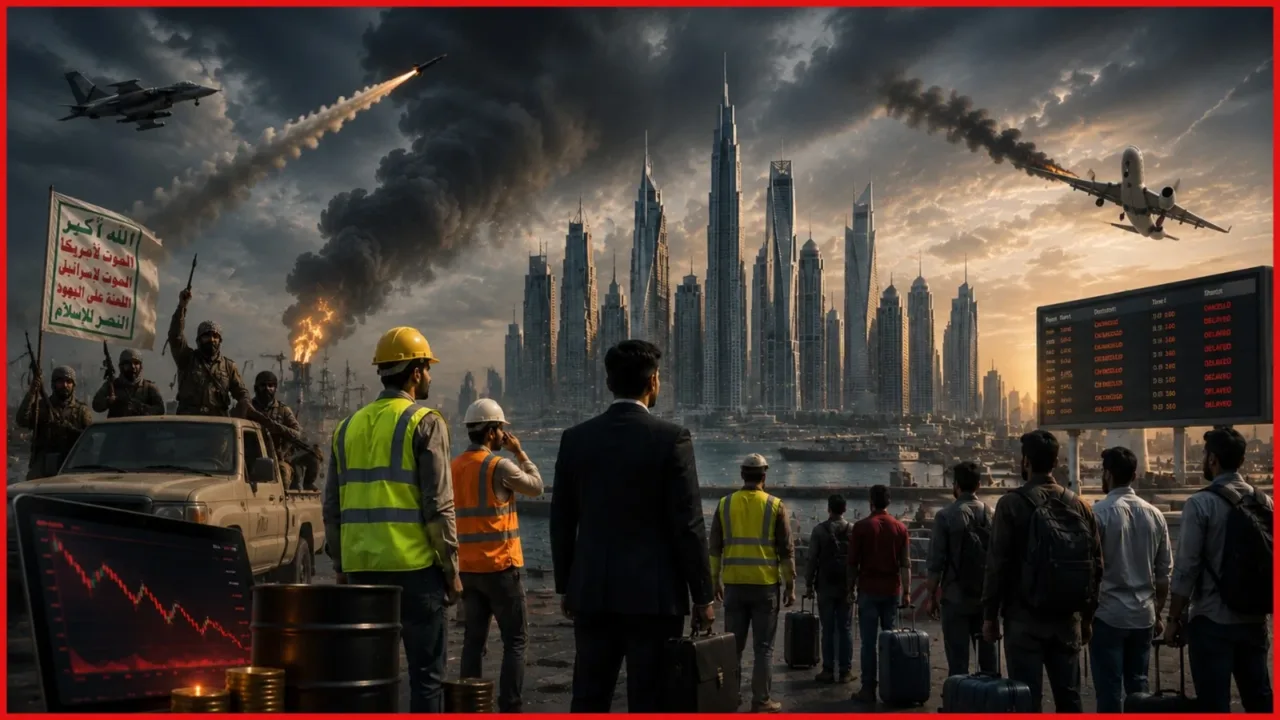
For decades, the member states of the Gulf Cooperation Council (GCC),Bahrain, Kuwait, Oman, Qatar, Saudi Arabia, and the United Arab Emirates (UAE), carefully cultivated a global reputation as an ‘oasis’ of safety, luxury tourism, and rapid wealth accumulation. However, the ongoing direct conflict involving the United States, Israel, and Iran has severely shaken this foundation.
The primary consequence of this shift is the erosion of investor confidence. Continuous threats to critical maritime routes, civilian aviation corridors, and localized digital infrastructure have forced global enterprises to re-evaluate the safety of their regional operations.
The vulnerability of modern infrastructure to low-cost drone strikes and sophisticated cyber warfare means that even highly advanced economic zones are no longer insulated from broader regional disputes. Consequently, international capital is becoming increasingly cautious about long term commitments in the area.
Cracks in the Western Umbrella
An analysis of the growing regional skepticism toward historical United States security guarantees in the Gulf.
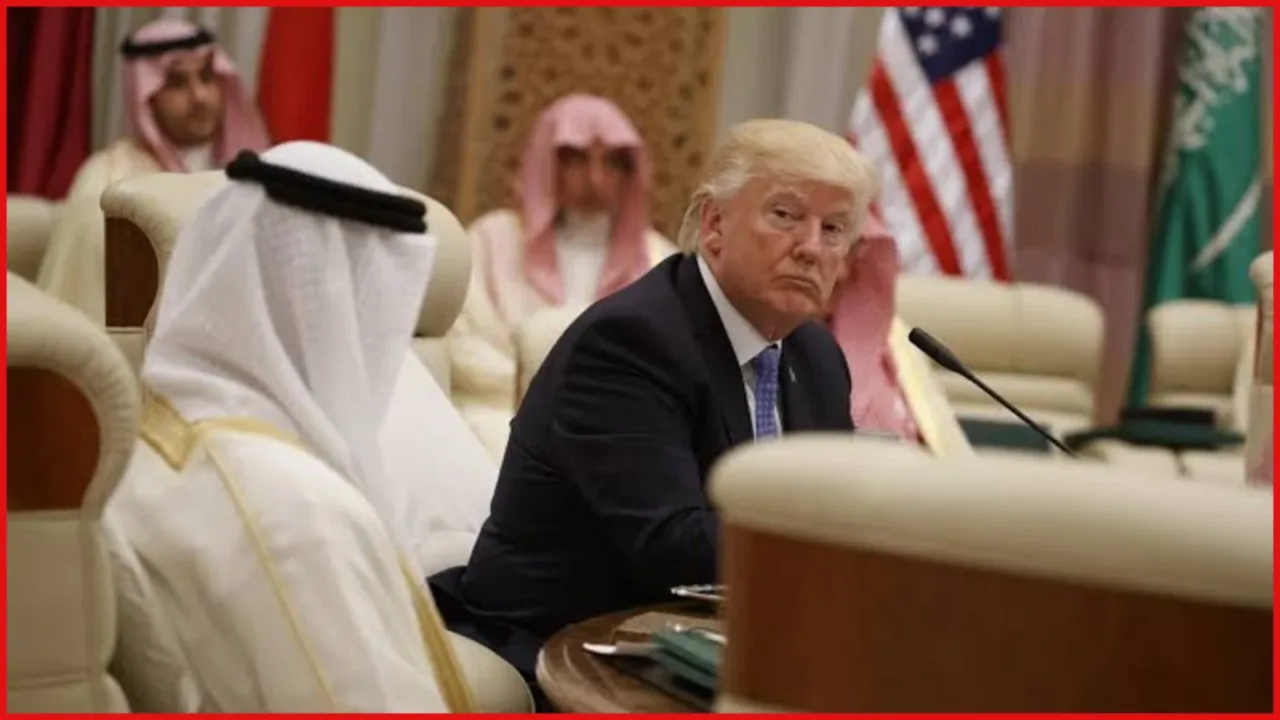
The current escalation has exposed profound structural vulnerabilities in the traditional US Gulf security alliance. For over half a century, the geopolitical framework of the Middle East relied on an implicit understanding: Gulf monarchies ensured the steady, uninterrupted flow of global energy supplies, and in return, the United States provided a comprehensive military security umbrella.
Recent military exchanges have demonstrated to regional leadership that hosting major US military installations does not automatically deter retaliatory strikes from regional adversaries.
- Host Nation Dilemma: GCC states fear that housing US retaliatory assets makes their own infrastructure a primary target.
- Deterrence Gaps: Conventional air defense systems face extreme economic and operational strains when countering prolonged, low cost asymmetric drone salvos.
- Strategic Realignment: Gulf capitals are realizing that Western security priorities may not always align perfectly with localized survival strategies.
Economic Reassessments and Energy Vulnerabilities
This section examines the tangible financial contractions and strategic shifts in energy transport corridors.
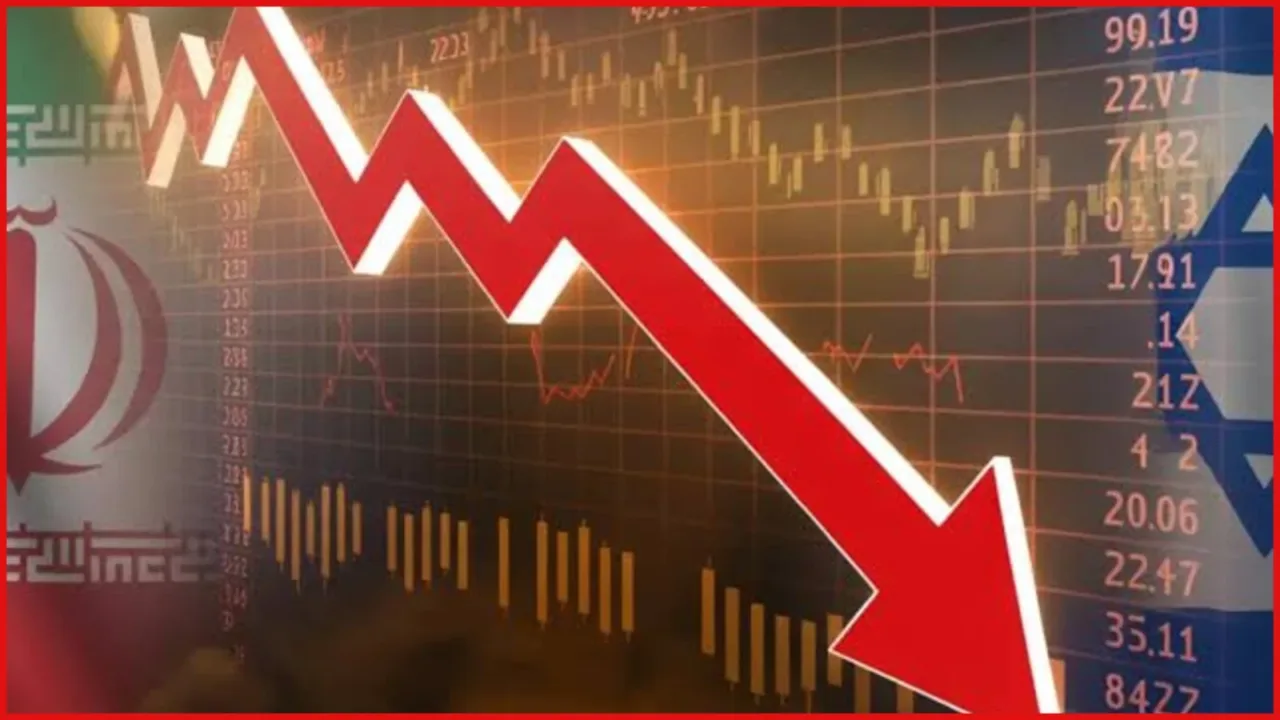
The prolonged nature of the conflict has forced major financial institutions to revise their long term growth forecasts for the Middle East, directly threatening GCC economic stability. The International Monetary Fund (IMF) and regional central banks have adjusted GDP growth expectations downward, reflecting the tangible costs of prolonged regional anxiety.
The exposure of critical energy chokepoints has accelerated efforts to find alternative logistical routes. Drones and anti ship missiles targeting commercial vessels in the proximity of the Strait of Hormuz and the Bab al-Mandeb Strait have driven maritime insurance premiums to historic highs.
| Strategic Metric | Pre Escalation Value | Post Escalation Realities (2026 Estimates) | Primary Data Source |
| Overall GCC GDP Growth Rate | 3.7% Average Annual Growth | Cut to 1.8% (Temporary Contraction) | International Monetary Fund (IMF) |
| Bab al-Mandeb Oil & LNG Transit | Safe passage of 12% global oil | Rerouted / High alert operations | US Energy Information Administration (EIA) |
| Maritime War Risk Insurance Premiums | Standard Base Rates (<0.05% vessel value) | Spiked up to 1.0% – 1.5% of vessel value | Lloyd’s Joint War Committee (JWC) |
| Foreign Direct Investment (FDI) Inflow | Steady 4.2% year on year growth | Deceleration in non oil mega projects | UNCTAD / Regional Central Banks |
To safeguard future revenues, regional governments are fast tracking alternative export corridors that bypass vulnerable naval channels, attempting to insulate Gulf region investments from sudden maritime blockades.
ALSO READ:
- Diego Garcia Showdown: Trump’s Iran Warning Reignites UK vs USA Ownership Arguments Over Chagos Island
- Ayatollah Ali Khamenei: The Supreme Leader of Iran
The Threat of Houthi Escalation
An overview of the economic and geopolitical dangers posed by a potential second front in Yemen.
A major variable threatening the stability of the region is the potential re escalation of hostilities originating from Yemen. The threat of localized forces entering the conflict on behalf of regional proxies poses an immediate danger to international trade.
Renewed maritime offensives jeopardize the Bab al-Mandeb Strait, a vital artery facilitating roughly 12 % of global seaborne petroleum transits and 8 % of the world’s liquefied natural gas trade.
For international shipping conglomerates, these disruptions compound the financial stresses caused by the volatility surrounding the Strait of Hormuz. For nations like Saudi Arabia, a localized escalation directly threatens domestic security and forces a costly diversion of capital away from state backed economic diversification programs.
Fracturing Unity Within the GCC
This section highlights how divergent diplomatic approaches to regional crises risk splitting Gulf solidarity.
As regional pressures mount, adversarial strategies are increasingly designed to exploit historical and ideological differences among GCC member states, heightening Middle East geopolitical risk. While the bloc has historically benefited from presenting a unified diplomatic front, individual member states possess vastly different operational relationships with Iran, the United States, and Israel.
These conflicting internal preferences make it difficult to maintain a cohesive regional policy. Memories of past internal diplomatic rifts, such as the 2017 Qatar blockade, remind regional analysts that unity within the council remains fragile under extreme geopolitical strain.
Domestic Pressures and Social Risks
An analysis of the internal social and economic strains facing Gulf populations during prolonged conflicts.
The internal domestic realities of Gulf states are facing quiet but persistent pressures as a direct impact of Gulf war anxieties. While local administrations continue to project external images of absolute stability, prolonged geopolitical tension directly impacts regional economic systems.
Persistent economic contractions disproportionately affect large migrant labor forces and resident populations before impacting native citizens. If inflationary pressures and living costs rise too sharply, it risks complicating local human rights frameworks and labor retention.
Furthermore, historical anxieties regarding minority populations create internal security challenges. There are persistent concerns that prolonged regional polarization could lead to domestic unrest, prompting states to enforce highly restrictive internal security measures that could complicate relations with Western partners.
The Pivot to China and Russia
This section explores how declining faith in Western alliances drives the Gulf toward new global superpowers.
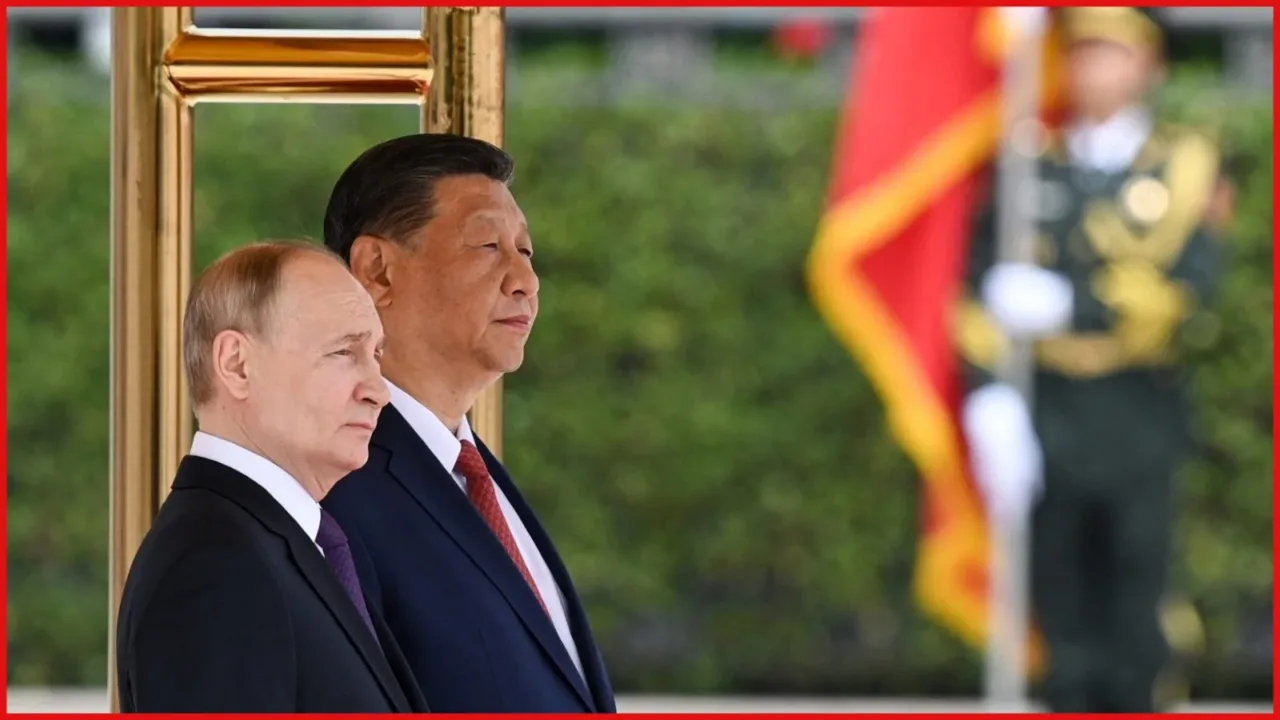
A profound long term consequence of the current crisis is the diversification of strategic partnerships across the GCC. Faced with growing uncertainty regarding the consistency of the US Gulf security alliance, regional leaders are actively hedging their geopolitical bets. This trend is altering the flow of Gulf region investments, as capitals seek mutual defense and technological collaboration outside traditional Western frameworks.
- Defense Diversification: Increased acquisition of military hardware and strategic defense technology from nations like Turkey, South Korea, and Pakistan.
- Superpower Hedging: Strengthening economic and diplomatic ties with Beijing and Moscow to secure alternative diplomatic balancing chips.
- Strategic Autonomy: Prioritizing localized self reliance over absolute dependence on foreign military interventions.
This shift toward multipolarity may ultimately complicate Western objectives in the region, particularly concerning joint initiatives on advanced artificial intelligence, next generation telecommunications, and civil nuclear energy development.
A Resilient Haven: Gulf Autonomy and the Future of Expat Security
A look at how Gulf nations prioritize expatriate safety and develop alternative strategies for a stable future.
While regional tensions create global anxiety, member states of the GCC have historically proven their immense resilience during economic and political crises. Gulf leadership continues to place the highest priority on the safety, security, and welfare of their vast expatriate populations, ensuring that daily life and business operations remain unhindered. This current geopolitical strain is widely viewed as a temporary challenge, and the region is actively adapting.
However, to understand the immediate impact on the ground, expatriates must keep a close eye on two critical factors:
- Job Security Amid Transitions: The broader regional economic slowdown and rising maritime insurance premiums could temporarily affect corporate profit margins. In certain sectors, this may lead to cost cutting measures, minor salary adjustments, or temporary hiring freezes. The impacts are most likely to be felt in traditional, high exposure industries such as Construction, Logistics, and Tourism.
- The Need for Strategic Career Shifts: As traditional sectors face temporary fluctuations, the evolving landscape creates massive new opportunities. Expatriates are encouraged to adapt by transitioning toward rapidly growing, state backed industries. High demand fields like Cybersecurity, Digital Technology, and Renewable Energy are presenting excellent new avenues for career growth.
Ultimately, the proactive alternative strategies fast tracked by Gulf governments including modern trade corridors and tech driven localized supply chains ensure that the Middle East will remain a secure, flourishing destination for global talent.
Conclusion
The evolving crisis underscores how the shifting impact of Gulf war dynamics continues to fundamentally redefine the economic future and strategic alliances of the GCC.
ALSO READ:
- Will 2026 Be the Most Controversial World Cup in History? Inside the Geopolitical Drama
- Trump Pushes 8 Muslim Nations into New Deal: What are the Abraham Accords? Pros, Cons & Everything You Need to Know
FAQs
How has the recent conflict directly impacted the global reputation of the GCC?
It has shifted the region’s image from a secure, booming investment oasis to a vulnerable geopolitical frontline.
What is the primary threat to GCC economic stability during this crisis?
Growth outlooks face downward revisions due to heightened maritime transit risks and increased operational insurance costs.
Why are Gulf states seeking defense alliances beyond the United States?
Recent escalations have exposed gaps in traditional Western security guarantees, forcing states to diversify their strategic partners.
What percentage of global oil trade passes through the vulnerable Bab al-Mandeb Strait?
The strait facilitates approximately 12% of international seaborne oil transits and 8% of liquefied natural gas trade.
How does prolonged regional tension threaten long-term Gulf development plans?
Persistent Middle East geopolitical risk discourages the international talent and foreign capital required for major economic diversification transitions.
Content: impact of Gulf war