
Published: Saturday, 30 May 2026, at 5:33 pm| Dubai | Edited: Saturday, 30 May 2026, at 5:37 pm
Global geopolitics is shifting rapidly as Washington introduces unprecedented conditions for diplomatic engagement in the Middle East. Let us dive deep into the details of this historic development to understand its massive global impact.
RELATED READS: After the Iran War Ends: Trump Pushes Arab and Muslim Leaders to Join Abraham Accords
The Board of Peace: Trump’s Multi-Billion Dollar Plan for a Post-War Gaza
Abraham Accords Iran Deal: Trump Sets New Rules for Middle East Peace
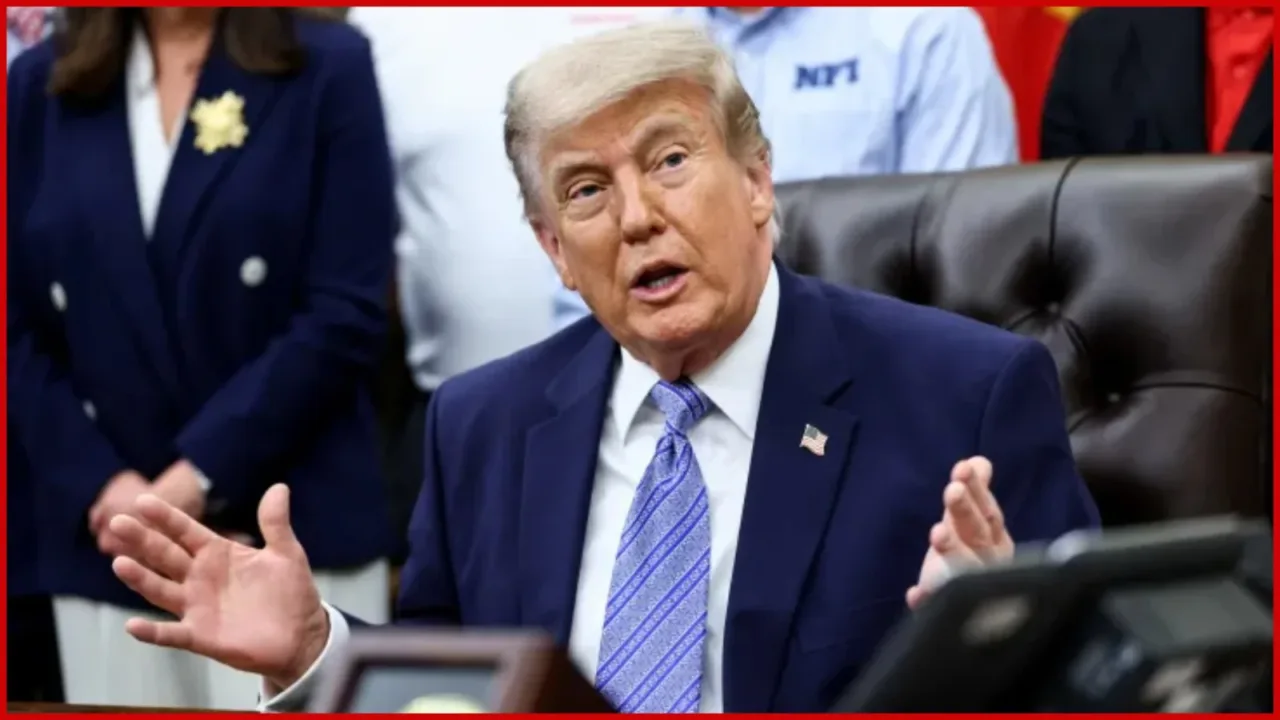
President Donald Trump recently announced that any future diplomatic breakthrough with Tehran will be directly tied to an expanded Abraham Accords Iran deal framework. According to an official social media disclosure, negotiations are proceeding nicely, but the White House has set a strict requirement demanding that several target nations must formally normalize relations with Israel before any final international sanctions are lifted.
The Core Objectives of Trump Iran Strategy
This section provides a focused look at how Washington is linking regional normalization directly to the ongoing nuclear negotiations with Tehran.
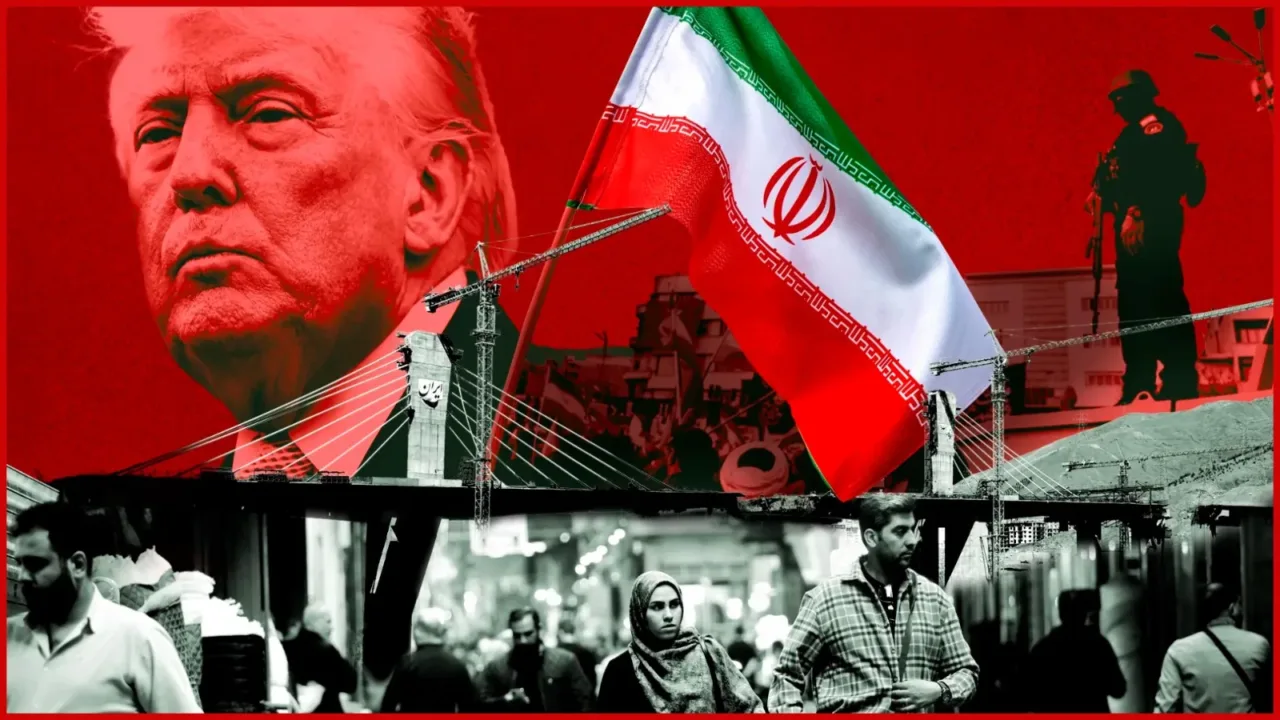
The current Trump Iran strategy represents a complete departure from traditional Western diplomacy by blending counter proliferation with broad regional recognition. Instead of treating the nuclear issue as an isolated security problem, Washington is using economic leverage to reshape the entire diplomatic map of the Middle East.
- Nuclear Program Cessation: Tehran must completely halt its uranium enrichment operations immediately.
- Rigorous International Inspections: Opening all hidden facilities to permanent international inspection teams for verification.
- Sanctions Relief Leverage: The United States promises to dismantle sweeping banking and oil export embargoes.
- Multilateral Commitment: Washington believes that a broad coalition of regional powers is necessary to guarantee long-term stability.
- Expanding Regional Alliances: The administration plans to use these intensive negotiations to bring historical adversaries into shared economic pacts.
Target Nations and the Push for Israel Normalization Agreements
This section analyzes the specific countries selected by the White House to join the expanded regional diplomatic framework.
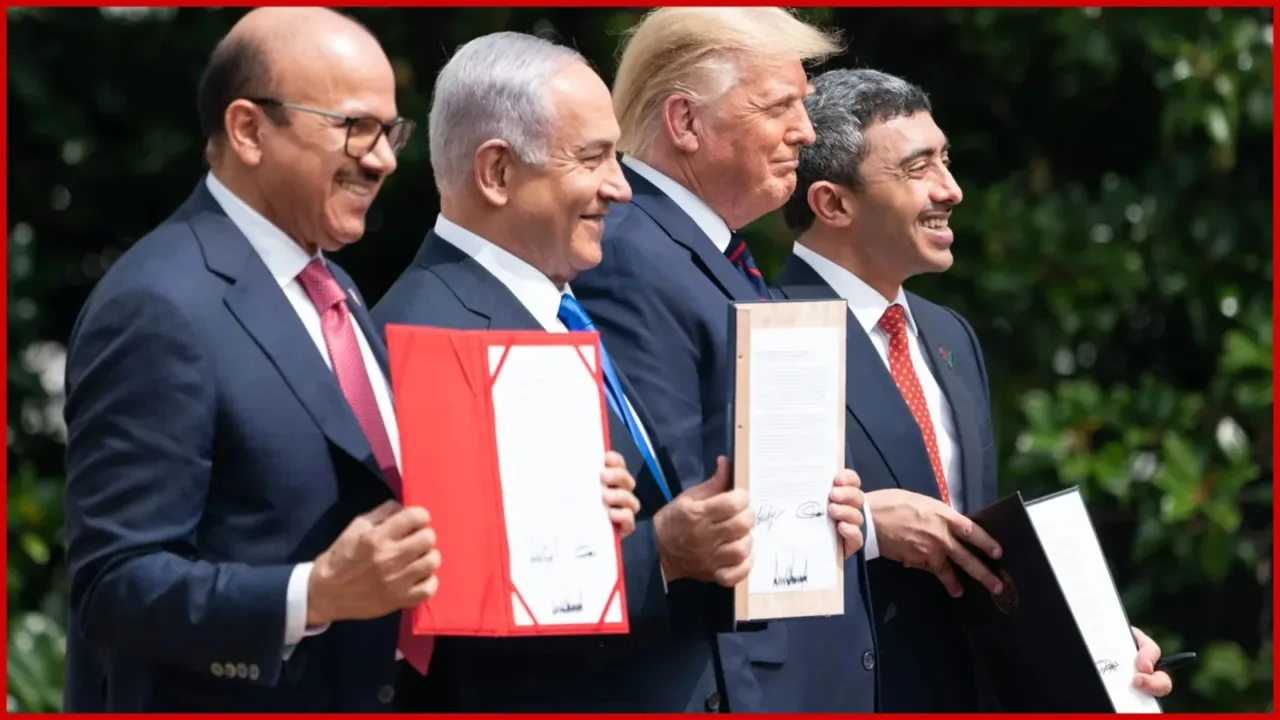
To build a permanent security architecture, the United States is putting immense diplomatic pressure on influential Muslim majority countries to sign new Israel normalization agreements. This strategic selection includes major economic powerhouses and key regional military players:
- Saudi Arabia: As the custodian of Islam’s holiest sites, getting Riyadh to sign an Abraham Accords Iran deal is the primary geopolitical prize for Washington.
- Turkey: A major military power whose participation would successfully bridge European and Middle Eastern security frameworks.
- Pakistan: Targeted specifically as the only nuclear-armed Muslim-majority nation to add significant defensive weight to the alliance.
- Qatar: Maintains unique diplomatic lines with both Washington and Tehran, making them an essential intermediary for future peace.
- Egypt: Already holds a legacy peace treaty with Tel Aviv but is being pushed to deepen its economic and trade integration.
- Jordan: Shares a direct border with Israel and is consistently vital in managing regional security and holy site diplomacy.
- United Arab Emirates (UAE): An original signatory from the first term who is now being asked to help broker the expanded framework.
- Bahrain: Worked closely with the UAE during the initial signing and remains a key player in the Gulf diplomatic shift.
Geopolitical Benefits of the Expanded Abraham Accords Iran Deal
This section evaluates the economic, defensive, and logistical advantages for countries participating in the peace framework.
Succeeding in tying regional integration to a comprehensive Iran nuclear agreement offers substantial structural rewards for participating sovereign states. These benefits span across commercial investments, advanced defense technologies, and streamlined international transit corridors.
- Economic and Technology Influx: Signing the Abraham Accords Iran deal allows nations to access advanced technology sectors and venture capital.
- Joint Agricultural Initiatives: Developing modern smart agriculture and water conservation projects using advanced regional expertise.
- Advanced Defensive Alignment: Member nations gain access to top-tier defensive intelligence sharing to guard against regional drone threats.
- Washington Political Capital: Signatories secure priority access to purchase advanced American hardware like F-35 fighter jets.
- Direct Commercial Corridors: The opening of immediate aviation links and shared shipping lanes vastly reduces logistics costs across the global supply chain.
ALSO READ: US Navy’s Most Expensive Drone Crashes in the Persian Gulf
How the Iran Conflict is Reshaping Life and Economy in the Gulf? A 2026 Survival Guide
Significant Risks and Regional Structural Challenges
This section examines the political friction, public backlash, and strategic security threats associated with the proposal.
Despite the clear economic promises, forcing nations into an Abraham Accords Iran deal structure introduces profound domestic and international security challenges. Many regional leaders face intense friction from both local populations and rival neighboring states.
- The Palestinian Dilemma: The strategy completely bypasses the historical demand for a sovereign Palestinian state, leading to deep resentment.
- Public Domestic Backlash: While ruling elites might favor economic integration, the general population remains strongly opposed to normalization.
- Escalation of Regional Friction: Tehran views this expanding alignment as a direct security threat, which could cause a breakdown in ongoing Middle East peace talks.
- Diplomatic Fragmentation: Nations that reject the pressure face localized isolation and deteriorating relationships with Western financial centers.
- Internal Security Threats: Radical regional factions may target participating nations, leading to potential domestic instability and unrest.
Global Realities and the Future of Middle East Peace Talks
This section provides a realistic assessment of current international responses and how target states are answering Washington’s demands.
While the White House remains highly optimistic about this comprehensive Trump Iran strategy, the actual implementation faces immense resistance on the ground. Key global players are refusing to sign the proposed Israel normalization agreements without securing massive concessions first.
- Riyadh’s Firm Stance: Saudi Arabia has reiterated that it will not formalize relations without a clear path toward a two-state solution.
- Ankara and Islamabad Responses: Both Turkey and Pakistan have resisted the forced framework, prioritizing local sovereign interests.
- The Art of the Deal Style: Foreign policy experts view this aggressive public conditioning as Trump’s classic high-stakes negotiation style.
- The Path Forward: The success of any future Iran nuclear agreement depends entirely on Washington’s willingness to compromise on these rigid normalization demands.
Conclusion
The proposed Abraham Accords Iran deal represents an incredibly ambitious attempt to fundamentally reshape global international relations. Whether this aggressive brand of transactional diplomacy will deliver permanent stability or cause deeper fragmentation across the Middle East remains the defining foreign policy question of our time.
FAQ
1. What is the main requirement of the new Abraham Accords Iran deal proposal?
The new proposal dictates that any final agreement to lift international sanctions on Tehran is strictly dependent on additional nations, including Saudi Arabia and Turkey, signing normalization treaties with Israel.
2. How does the current Trump Iran strategy differ from past diplomatic efforts?
The current Trump Iran strategy intentionally links counter-proliferation security measures with broad regional diplomatic recognition, rather than treating nuclear monitoring as an isolated international issue.
3. Which countries are being pressured to sign these Israel normalization agreements?
The primary targeted nations include Saudi Arabia, Turkey, Pakistan, Qatar, Egypt, Jordan, the United Arab Emirates, and Bahrain.
4. Why are some countries resisting this component of the Middle East peace talks?
Many nations refuse to sign because the framework does not guarantee a sovereign state for Palestine, which risks triggering widespread domestic public anger.
5. Will Tehran accept a new Iran nuclear agreement under these conditions?
Tehran views the expansion of these defense and economic alignments as a direct threat to its national security, making immediate consensus in the ongoing negotiations highly unlikely.




2 thoughts on “Trump Pushes 8 Muslim Nations into New Deal: What are the Abraham Accords? Pros, Cons & Everything You Need to Know”