Published: Thursday, 30 July 2026, at 12:13 am| Dubai | Edited: Thursday, 30 July 2026, at 12:19 am
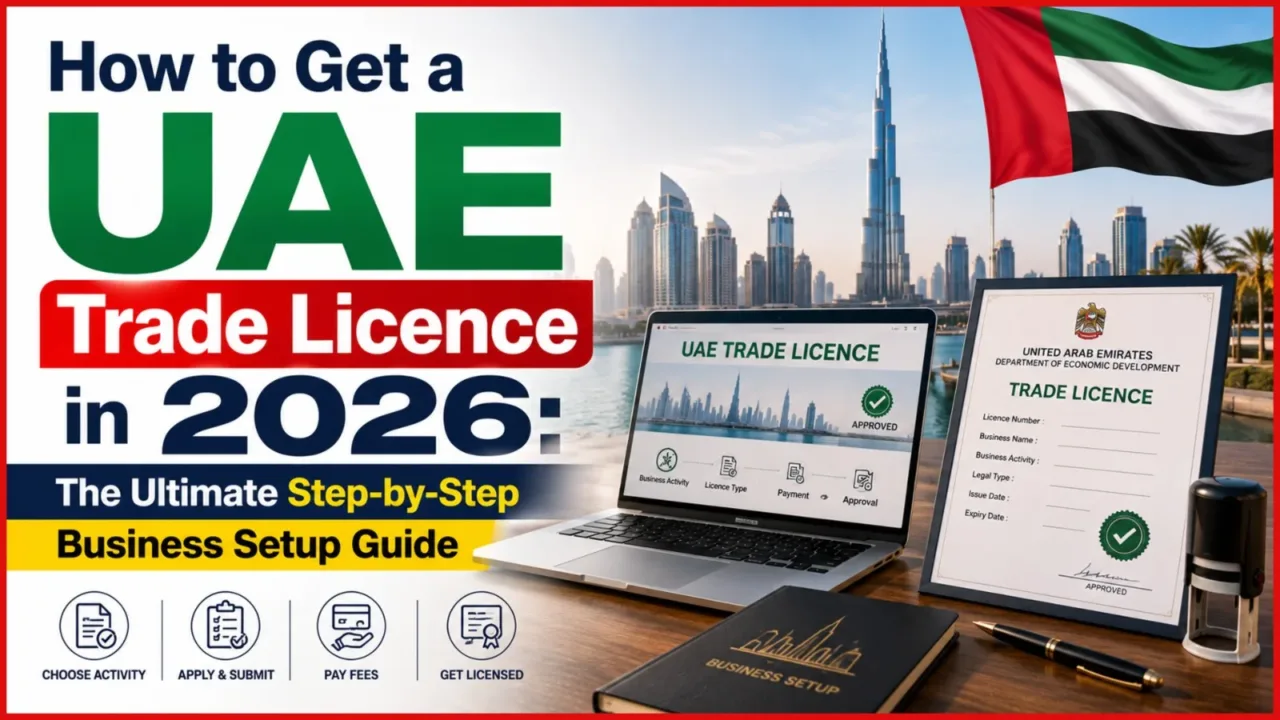
Understanding how to get a UAE trade licence is the most essential first step for any entrepreneur, investor, or expat planning to start a legal business in the United Emirates. Therefore, read this detailed guide to learn all about the setup steps, costs, licence options, and legal requirements.
ALSO READ:
- Unified License System: Dubai Slashes Business Bank Account Opening Time from 65 Days to 5
- Sharjah SEDD Business License Fee Discount 2026: Complete Guide on 50% Reductions, Instant License, and Waiver of Commercial Fines
- Easy to start business types in the UAE: Cost Structures and Real Stories
Complete Business Guide: Getting Your UAE Trade Licence
Discover the fundamental concepts and legal frameworks for setting up a company in the United Arab Emirates.
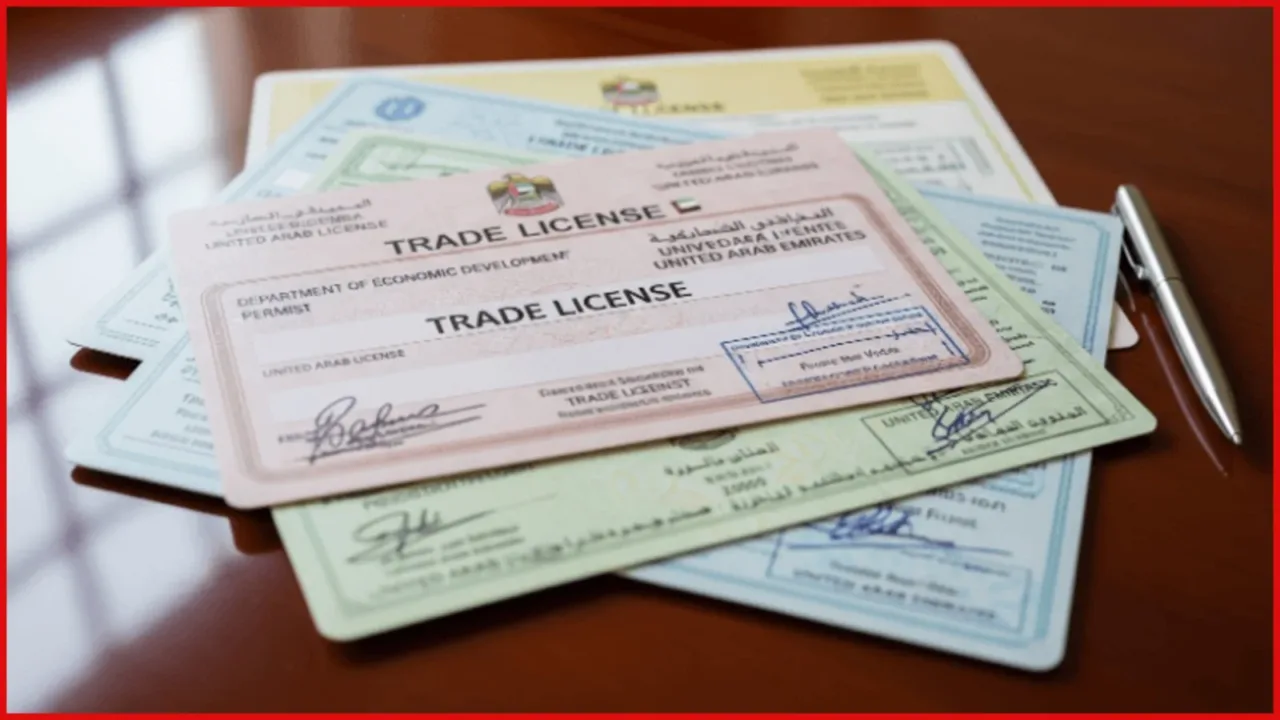
Starting a business in the UAE offers incredible market opportunities for foreign investors and local entrepreneurs alike. However, operating any business activity without an official authorization is strictly illegal in the country. As a result, a trade licence acts as your official company registration document, granting you the full legal right to trade, offer services, or manufacture goods across the region.
What is a UAE Trade Licence?
Learn the definition, basic concept, and operational legalities of holding a trade licence.
A UAE trade licence is an official legal permit issued by a government authority that grants permission to conduct business activities legally within the Emirates. Specifically, every commercial entity, whether registered on the mainland or within a designated free zone jurisdiction, must hold a valid trade licence.
In addition, this document explicitly defines your business activity, legal framework, operating boundary, and visa capabilities. Conversely, conducting business without this official document is considered a severe legal offence punishable by government authorities. Generally, trade licences are issued with a validity period of one year and require annual renewals to maintain legal active status.
Types of Trade Licences in the UAE
Explore the various business categories available to suit your specific trade or service model.
Selecting the correct activity category is vital because it determines your regulator, legal structure, and permit cost. The main types of trade licences in UAE jurisdictions are outlined below
- Commercial Licence: Covers companies involved in general buying, selling, retail, wholesale, and import export operations.
- Professional Licence: Designed for service oriented businesses, freelancers, consultants, artists, lawyers, and skilled experts.
- Industrial Licence: Required for businesses involved in large scale manufacturing, raw material processing, and industrial operations.
- General Trading Licence: A specialized commercial licence allowing a business to trade multiple unrelated product categories under a single registration.
Important Note: Products like alcoholic beverages, pharmaceuticals, specialized equipment, and motor vehicles require additional approvals from regulatory authorities even if you hold a general trading licence.
UAE Trade Licence Cost Breakdown (2026)
Review the setup expenses on the mainland compared to competitive free zone packages.
Understanding the UAE trade licence cost 2026 structure helps you budget accurately for initial registration fees and hidden authority costs. Total expenses depend on whether you establish on the mainland or in a free zone.
Mainland Trade Licence Costs
Mainland business registrations are issued by local economic authorities, such as the Department of Economy and Tourism (DET) in Dubai.
| Licence Category | Estimated Starting Fee (AED) | Key Details |
| Commercial Licence | AED 12,000 – AED 24,500 | Base licence fee only |
| Professional Licence | From AED 9,950 | Base fee for service firms |
| Industrial Licence | Varies by activity | Depends on factory location and space |
Note: Base licence fees do not include extra operational costs. Additional expenses include name reservation fees, establishment cards, Ejari tenancy contracts, and visa allocations. Total first year mainland setup costs usually range between AED 25,000 and AED 50,000.
ALSO READ:
- The Cost of Starting Business in the UAE in 2026 (What Most, New Entrepreneurs Miss Out On)
- UAE Finance Update: Everything About the New eInvoicing 4-Corner Model for Businesses
Free Zone Trade Licence Costs
Free zone jurisdictions offer highly affordable starter packages, particularly in the northern emirates.
| Free Zone Jurisdiction | Starting Package Price (AED) |
| Ajman NuVenture Free Zone | From AED 4,888 |
| SRTIP – Sharjah | From AED 5,500 |
| SHAMS – Sharjah Media City | From AED 5,750 |
| RAKEZ – Ras Al Khaimah | From AED 6,500 |
| Meydan Free Zone – Dubai | From AED 12,500 |
| IFZA – Dubai | From AED 12,900 |
Cheapest Trade Licence Options in the UAE
Find out how to minimize your setup costs while selecting the best low cost package.
If you are a startup working with a tight budget, looking for the cheapest trade licence in UAE free zones is a wise choice. Free zones situated outside central Dubai offer full business functionality at much lower package rates.
- Lowest Package Cost: Ajman NuVenture Free Zone offers packages starting at AED 4,888 for zero visa packages, making it one of the most cost effective options.
- Cheapest General Trading: SRTIP in Sharjah offers general trading options starting at AED 5,500, followed closely by competitive options at RAKEZ.
- Home Business Route: For resident freelancers and online sellers in Dubai, the e-Trader licence represents the lowest investment at roughly AED 1,370 per year.
Selection Tip: While cheap packages are appealing, choose a mainland licence if your business needs direct storefronts, local government contracts, or multiple staff visas.
Step by Step Application Process on Mainland
Follow these clear procedural steps to successfully register your business on the Dubai mainland.
When learning how to get a UAE trade licence, following the correct steps ensures your setup application is approved smoothly without delays.
- Select Business Activity: Choose the matching activity codes from the official DET registry list.
- Determine Legal Structure: Decide whether to form a Sole Proprietorship, Limited Liability Company (LLC), or Branch Office.
- Reserve Trade Name: Select a name that follows strict government naming guidelines and reserve it through official portals.
- Obtain Initial Approval: Apply on the Invest in Dubai portal (app.invest.dubai.ae) to get basic clearance, which usually takes around 10 minutes.
- Secure Premises (Ejari): Rent a physical office or shop and register the commercial tenancy contract (Ejari).
- Get External Approvals: Request sign offs from special entities like the Health Authority or Roads and Transport Authority if required for your activity.
- Pay Fees & Receive Licence: Submit final files, complete payment through the issuance service, and receive your digital trade licence.
2026 Mandate: All new mainland licence holders must complete their Ultimate Beneficial Owner (UBO) filing at the exact point of licence issuance.
E-Trade Licence UAE: Setting Up Online
Learn how digital freelancers and home sellers can legally operate without physical office space.
The DED e-Trader licence, managed by Dubai’s DET, allows home sellers and digital freelancers to operate legally without renting physical office space or registering Ejari.
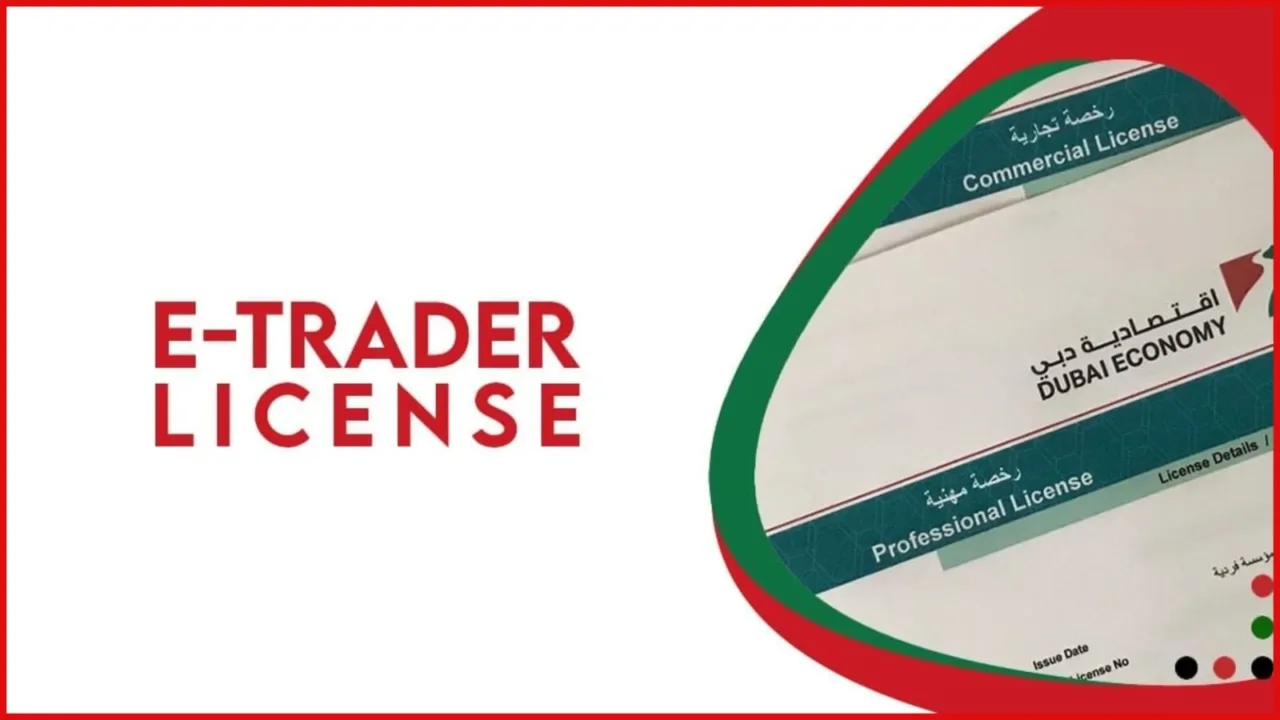
- Annual Cost: Around AED 1,370 (Includes AED 1,070 licence/innovation fee + AED 300 Dubai Chamber membership).
- Eligibility Criteria: Available for UAE nationals, GCC citizens, and expatriates living in Dubai with valid UAE residency and Emirates ID.
- Key Guidelines: Only individual single owners can apply, physical office space is not required, and employee visa sponsorship is not supported.
- Permitted Activities: Covers e-commerce sales (fashion, crafts, home food) and digital services like consulting or design.
- Speed: Digital registration is completed online in under 10 minutes via the Invest in Dubai platform.
How to Check Your UAE Trade Licence Status
Verify the legal authenticity and active standing of any business using free government portals.
You can easily verify business registration details, trade validity, or owner credentials using official government search databases
- Federal Search: Visit the central government portal at u.ae under ‘Verify Business Licences’ to search by name or licence number.
- Dubai Jurisdiction: Access the Invest in Dubai portal or DET e-services to look up the Dubai Unified Licence number.
- Abu Dhabi Jurisdiction: Search the ADDED online portal (ded.abudhabi.ae) or the official Abu Dhabi government database.
- Other Emirates: Visit the respective Economic Development Department (DED) portal for the specific emirate where the business is registered.
UAE Trade Licence Renewal Requirements
Keep your business compliant and avoid heavy fines by understanding the renewal workflow.
Understanding the official UAE trade licence renewal process is essential to prevent operational blocks, banking issues, or financial penalties. Always begin renewal steps 30 to 45 days before your licence expires.
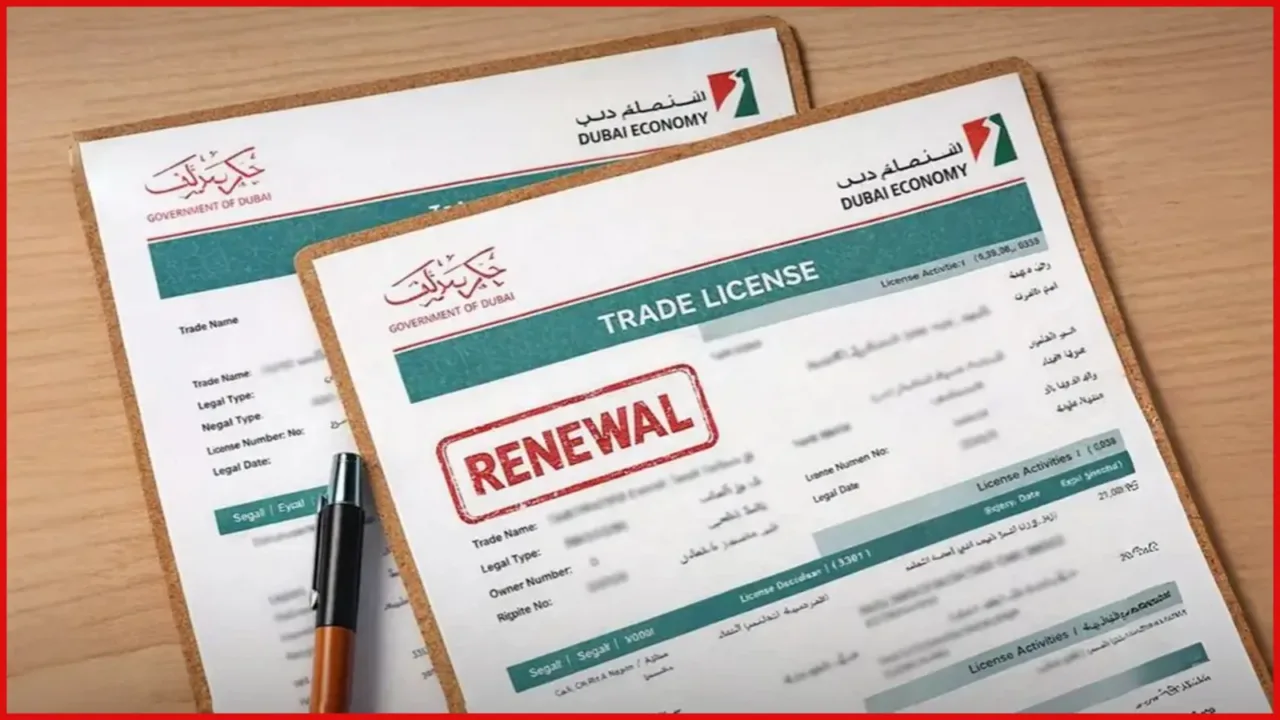
- Check Licence Expiry: Monitor your expiration date through the Invest in Dubai account dashboard.
- Update Ejari Contract: Ensure your commercial lease contract is renewed and active with land authorities.
- Submit Portal Request: Log in using UAE Pass on the Invest in Dubai portal and click on the renewal service.
- Upload Required Documents: Provide current Ejari copies, owner passports, UBO declarations, and Corporate Tax certificates.
- Pay Renewal Fees: Complete the payment. Mainland renewal costs generally range from AED 8,000 to AED 20,000 depending on company size.
Crucial 2026 Compliance Rules
- UBO Declaration: Updated UBO records are strictly mandatory; outdated information will block your renewal.
- Corporate Tax Registration: A valid Corporate Tax Registration Certificate issued by the FTA via EmaraTax is required for all mainland and free zone renewals.
What’s Next?
Take action using these immediate practical steps to kickstart your company formation journey.
- Finalize Business Plan: Clearly map out your trade activities, target audience, and operating budget.
- Choose Your Zone: Decide whether a mainland setup or a cheap free zone package best serves your operational goals.
- Gather Your Documents: Keep owner passport copies, residency visas, Emirates IDs, and business plans ready.
- Begin Application: Log in to official government portals like Invest in Dubai to begin your company setup immediately.
Conclusion
Getting a UAE trade licence in 2026 is a straightforward process when you choose the right jurisdiction, prepare required documents, and follow official government steps.
- uae corporate tax amendments Issued: How the New Legal Changes Will Impact Your Business and Tax Credits
- Young Emirati Entrepreneurs Transform Passions into Thriving Businesses in the UAE
FAQs
How long does it take to get a trade licence in Dubai?
Initial approvals take about 10 minutes online, while final issuance takes 1 to 7 working days once all documents are ready.
Can I get a UAE trade licence without renting an office?
Yes, you can use virtual desk options in free zones or apply for a Dubai e-Trader licence for home-based services.
What happens if I do not renew my trade licence on time?
Late renewals lead to monthly financial fines, potential bank account freezes, and visa suspension.
Is Corporate Tax registration required for trade licence renewal in 2026?
Yes, showing a Corporate Tax Registration Certificate from the FTA is mandatory for licence renewals across the UAE.
Can expats hold 100% ownership of a mainland company in the UAE?
Yes, current UAE laws allow foreign investors 100% ownership for most commercial and professional activities on the mainland.