Your salary is three weeks late and HR keeps saying “next week.” Or you left your job two months ago and your gratuity still hasn’t arrived. You want to do something about it, but you’re not sure where to start, and part of you worries that complaining will only make things worse.
Here’s what most people don’t realise: filing a complaint with the Ministry of Human Resources and Emiratisation (MOHRE) is free, you don’t need a lawyer, and you can do most of it from your phone in about 15 minutes. It’s also your legal right, and your employer can’t punish you for using it.
This guide walks you through the whole process in plain language: who can file, what to prepare, the exact steps on the app and website, and what really happens after you press submit.
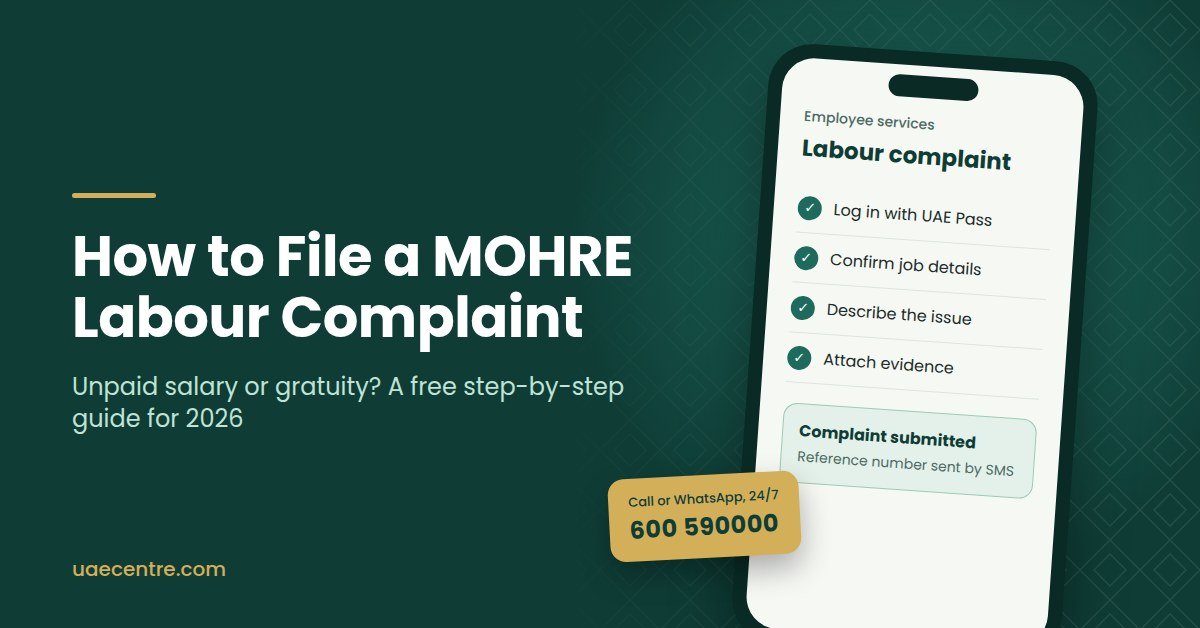
Quick answer: Log in to the MOHRE app or mohre.gov.ae with your UAE Pass, choose Labour Complaint (or Salary Complaint if your wages are unpaid), check your employment details, describe the problem, attach your evidence and submit. You can also call or WhatsApp 600 590000, which is open 24/7. Filing costs nothing.
Who Can File a Labour Complaint with MOHRE?
MOHRE handles disputes for workers and companies in the UAE private sector. If your work permit was issued through MOHRE, this is the right place for you. Not everyone falls under MOHRE, though, so check this table first:
| Your situation | Where to complain |
|---|---|
| Private sector employee on the mainland (any emirate) | MOHRE |
| Domestic worker (housemaid, driver, nanny) or their employer | MOHRE, through its domestic workers services |
| Free zone employee (JAFZA, DMCC, DAFZA and others) | Usually your free zone authority first; it will guide you on the next step |
| DIFC employee | DIFC Courts |
| ADGM employee | ADGM Courts |
| Federal or local government employee | Your department’s HR and the relevant government HR authority, not MOHRE |
Employers can file complaints too, for example against a worker who has stopped coming to work. This guide focuses on employees.
Common Reasons People File a MOHRE Complaint
You can complain about almost any breach of your employment contract or the UAE Labour Law. The most common cases are:
- Late or unpaid salary. Since 1 June 2026, private sector salaries for the previous month must be paid by the first day of each month through the Wage Protection System (WPS). Read more in our guide to the new rules that took effect on 1 June.
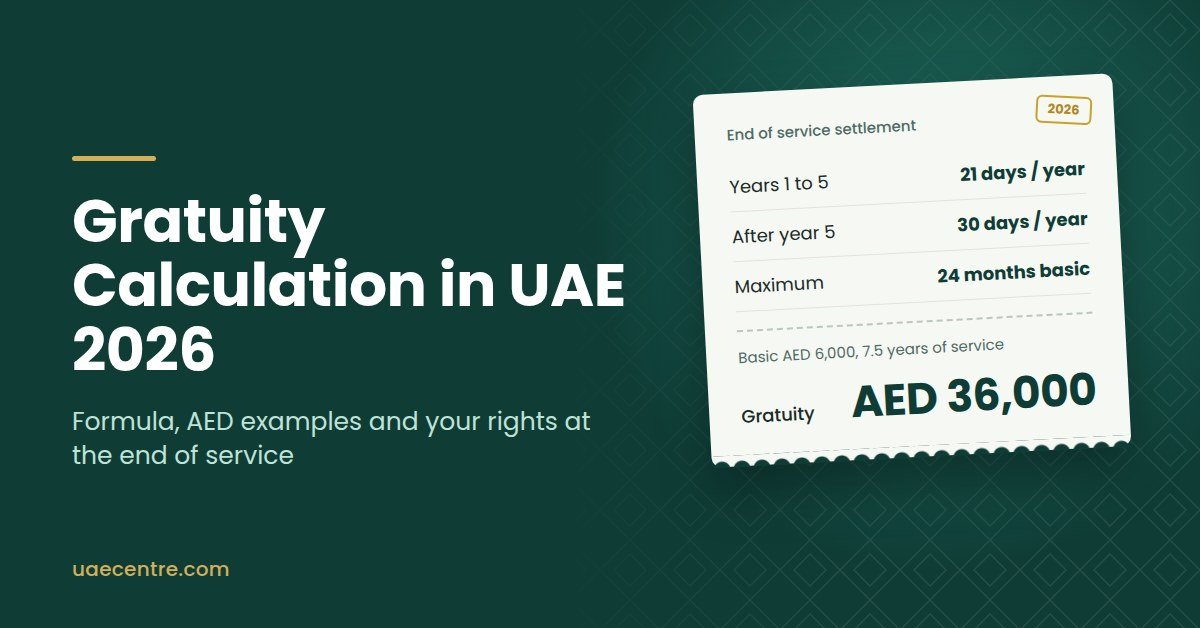
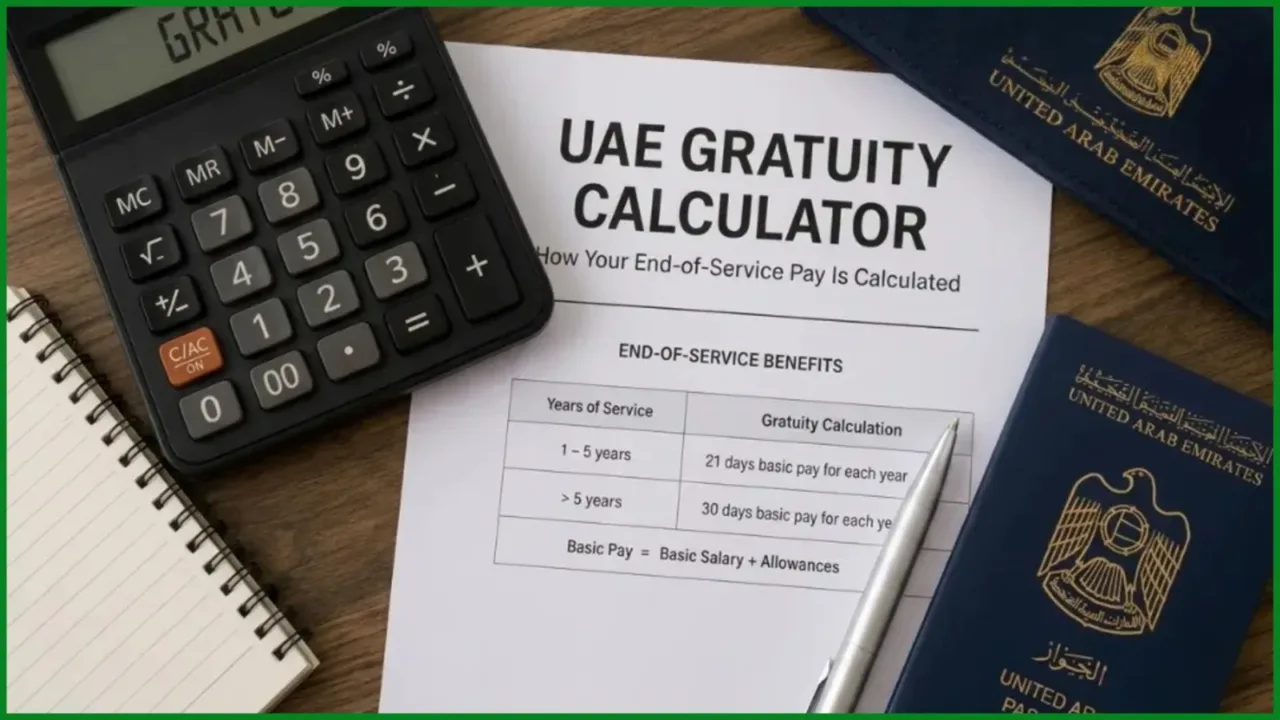
- Unpaid gratuity or final settlement. Your end of service dues must be paid within 14 days of your last working day. Not sure what you’re owed? Check our gratuity calculation guide.
- Unpaid annual leave, overtime or allowances promised in your contract.
- Refusal to cancel your work permit or visa after you’ve left the job.
- Your employer is holding your passport. Keeping an employee’s passport against their will is not allowed.
- Unfair dismissal or termination without proper notice.
- A false absconding report filed against you.
- Unsafe working conditions or violations of working hours and rest days.
Before You File: Try This First
A complaint works best when you’ve already given your employer a fair chance in writing. It isn’t required, but it helps your case and often solves the problem faster.
Send HR a short, polite email. State what you’re owed, how you calculated it, and ask for payment or action by a specific date (seven days is reasonable). Avoid angry language. If things go to MOHRE later, that email becomes useful evidence showing you tried to resolve it.
While you wait, work out your numbers. Know exactly how many months of salary are unpaid, how many leave days you’re owed, and what your gratuity should be. Vague complaints take longer; specific ones move faster.
Documents You’ll Need
Gather these before you start. You can file with some missing, but the more you have, the stronger your case.
- Emirates ID and passport copy
- Your work permit (labour card) number, which you can find in the MOHRE app
- Employment contract or offer letter
- Payslips or bank statements showing missing or late salary
- Emails, letters or WhatsApp messages with your employer about the issue
- Resignation or termination letter, if your job has ended
- Your own calculation of the amount you’re claiming
Don’t have a copy of your contract? You can still file. MOHRE already holds a record of your registered contract and will pull your employment details automatically.
How to File a MOHRE Labour Complaint: 4 Ways
Option 1: Through the MOHRE App (Fastest)
This is the quickest route and the one most people use.
- Download the official MOHRE app from the App Store or Google Play.
- Log in with your UAE Pass. If you don’t have one, download the UAE Pass app and register with your Emirates ID first.
- Go to the services for employees and choose Labour Complaint. If your only issue is unpaid wages, choose Salary Complaint instead.
- Check your employment details. The app fills in your employer’s name and your work permit number automatically. Make sure they’re correct.
- Select the type of complaint and describe the problem clearly. Include dates and amounts.
- Upload your supporting documents.
- Confirm with the one-time password (OTP) sent to your phone and submit.
You’ll receive a complaint reference number by SMS. Save it. You’ll need it to track your case.
Option 2: Through the MOHRE Website
The process on the MOHRE website is the same as the app. Log in with UAE Pass, open the labour complaint or salary complaint service, fill in the form, attach documents and submit. This option is handy if you have a lot of documents to upload from a computer.
Option 3: By Phone or WhatsApp
Call or WhatsApp 600 590000. The line is open 24/7 and supports several languages. An agent will register your complaint or guide you to the right service. MOHRE also offers video calls through its app and WhatsApp during working hours.
Option 4: In Person at a Service Centre
If you’re not comfortable with apps, visit a Tas-heel or Tawjeeh service centre. Take your Emirates ID, passport and any documents you have. Staff will register the complaint for you. A small service fee may apply at private centres, but the complaint itself is free.
What Happens After You File?
Once your complaint is registered, it usually moves through these stages:
- MOHRE reviews your complaint and contacts you and your employer, usually by phone or SMS.
- Amicable settlement. MOHRE tries to get both sides to agree. Many cases end here, often with the employer simply paying what’s owed.
- A MOHRE decision or court referral. If there’s no agreement, what happens next depends on how much you’re claiming (see the table below).
- Enforcement. Once there’s a final decision or judgment, it can be enforced against the employer.
| Claim amount | What MOHRE does if there’s no settlement |
|---|---|
| AED 50,000 or less | MOHRE issues a binding decision itself. Either side can challenge it in court within 15 working days |
| More than AED 50,000 | MOHRE refers the case to the labour court |
| Employer ignores an earlier MOHRE settlement (any amount) | MOHRE issues a binding decision |
This system has been in place since 2024 and was designed to get smaller claims resolved faster, without workers having to go to court. You can read MOHRE’s official announcement.
What if it goes to court? Don’t panic. Workers are exempt from court fees for claims up to AED 100,000, and you can represent yourself. MOHRE will give you a referral letter, which you need to open a case.
Example: Imran, a warehouse supervisor in Sharjah, is owed two months’ salary and his gratuity, around AED 18,000 in total. He files on the MOHRE app on a Sunday evening. MOHRE calls his employer that week, and they agree to pay in two instalments. When the second payment doesn’t arrive, Imran reports it, and because the employer broke the settlement, MOHRE issues a binding decision. (Illustrative example; timelines vary by case.)
How Long Does a MOHRE Complaint Take?
There’s no fixed timeline, and anyone who promises you an exact number of days is guessing. Simple salary cases are often settled within a few weeks once MOHRE contacts the employer. Cases that need a MOHRE decision or a court referral take longer.
You can check progress any time in the MOHRE app or website using your reference number, or by calling 600 590000. If nothing has moved for a while, call and ask. Polite follow-up helps.
Don’t leave it too late. Labour claims generally need to be filed within two years of your employment ending. In practice, file as soon as you can, while evidence is fresh and you’re still in the UAE.
Your Rights While the Complaint Is Open
Many workers hesitate because they fear what the employer might do. Here’s what you should know.
Your employer can’t punish you for complaining. Firing you, cutting your pay or threatening you because you filed a complaint can be raised with MOHRE too. Keep records of anything that happens after you file.
False absconding reports can be challenged. Some employers file an absconding report as pressure. If this happens, tell MOHRE immediately. Reports are reviewed, and an open labour complaint is strong evidence that you didn’t simply disappear.
You may be able to change jobs. In some situations, such as long salary delays, MOHRE can allow you to move to a new employer without your current employer’s approval. Ask about this when you file.
Watch your visa status. If your job has ended, your visa may be cancelled while the case is ongoing. Keep track of your visa cancellation grace period so you don’t overstay, and read our overview of UAE visa rules for 2026 for your options.
Mistakes That Can Weaken Your Case
- Signing a “full and final settlement” before you’re paid. Once you sign that you’ve received everything, it becomes much harder to claim more. Read every line before signing.
- Being vague. “My company owes me money” is weak. “My salaries for July and August 2026, AED 4,500 each, are unpaid” is strong.
- Deleting messages. WhatsApp chats and emails with your manager are evidence. Back them up.
- Stopping work without advice. If you’re still employed, walking out can be used against you. Ask MOHRE what to do before you stop going to work.
- Paying “agents” to file for you. The complaint is free and simple. Be careful with anyone asking for money to “speed up” your case, in the same way you’d spot fake job offers.
- Leaving the UAE without filing. You can follow up from abroad through the app, but it’s much easier to start the case while you’re still here.