A friend sends you a screenshot of a job offer in Dubai: AED 2,500 a month, accommodation shared, transport provided. Underneath, one question: “Is this even legal? Isn’t there a minimum salary in the UAE?”
It’s one of the most searched questions about working in the Emirates, and most of the answers online mix up three very different things: the legal minimum wage, old salary “guidelines” that were never binding, and the income you need to sponsor your family. They’re not the same, and confusing them can cost you a visa application or push you into a bad job offer.
This guide separates them clearly, using the latest 2026 rules.
Quick answer: The UAE has no general minimum wage for expat workers. Your salary is whatever is agreed in your MOHRE-registered contract. Since 1 January 2026, Emiratis in the private sector must earn at least AED 6,000 a month. Separately, to sponsor your spouse and children on a family visa, you need a salary of at least AED 4,000 a month, or AED 3,000 plus accommodation.
Is There a Minimum Wage in the UAE for Expats?
No. As of 2026, there is no single legal minimum wage that applies to expatriate workers in the UAE private sector.
The UAE Labour Law (Federal Decree-Law No. 33 of 2021) does allow the Cabinet to set minimum wages for workers or particular categories of workers. So far, it has only done this for Emirati nationals. For everyone else, pay is set by the employment contract, the job market, and the type of role.
That doesn’t mean expats have no protection. Once your salary is written in your contract and registered with MOHRE, your employer must pay it in full and on time through the Wage Protection System (WPS). They can’t simply cut it later without your written agreement. Since June 2026, salaries must also be paid by the first day of the following month. Our article on the new private sector wage rule explains this change.
Minimum Wage for Emiratis in the Private Sector: AED 6,000
For UAE nationals, the picture is very different. MOHRE raised the minimum monthly salary for Emiratis working in the private sector to AED 6,000, effective 1 January 2026.
This is the third step in a gradual increase:
| Stage | Minimum monthly salary for Emiratis |
|---|---|
| Initial threshold | AED 4,000 |
| Previous level | AED 5,000 |
| From 1 January 2026 | AED 6,000 |
The new minimum applies to new Emirati work permits and to permits that are renewed or amended from 2026. Companies that already employed Emiratis before that date had until 30 June 2026 to raise their salaries to the new level. The rule is part of the UAE’s Emiratisation policy, which aims to make private sector jobs more attractive to citizens.
What About the AED 12,000 or AED 7,000 “Minimum Salaries”?
You may have seen websites claim that the minimum salary in the UAE is AED 12,000 for university graduates, AED 7,000 for skilled technicians and AED 5,000 for skilled workers.
These figures come from old salary guidelines discussed more than a decade ago. They were never a legal minimum wage for expats, and they aren’t enforced today. Plenty of graduates in the UAE earn less than AED 12,000, and that’s legal as long as the salary matches their contract.
So if an article quotes these numbers as “the law,” treat it with caution.
Minimum Salary Needed for UAE Visas in 2026
Here’s where salary really matters for most expats. Even without a minimum wage, many visa and sponsorship services require you to earn above a certain amount. These are the main thresholds:
| What you want to do | Minimum monthly salary |
|---|---|
| Sponsor your spouse and children (family residence visa) | AED 4,000, or AED 3,000 plus accommodation |
| Sponsor your parents | Much higher; varies by emirate. Confirm with ICP or GDRFA |
| Bring a first-degree relative on a visit visa (parents, spouse, children) | AED 4,000 |
| Bring a second- or third-degree relative on a visit visa (siblings, grandparents, uncles, cousins) | AED 8,000 |
| Bring a friend on a visit visa | AED 15,000 |
| Green Visa as a skilled employee | AED 15,000, plus a bachelor’s degree and skill level 1 to 3 |
| Golden Visa as a skilled professional | AED 30,000 |
For more on each visa type, see our full guide to UAE Visa Rules 2026.
Minimum salary to sponsor your wife and children
This is the threshold most expats ask about. To sponsor your spouse and children, you need a monthly salary of at least AED 4,000, or AED 3,000 if your employer provides your accommodation. The same requirement appears on the official UAE government portal, ICP and GDRFA Dubai.
You’ll also need suitable housing (usually an attested tenancy contract or Ejari in your name), your attested marriage and birth certificates, and health insurance for each dependent. The 2022 reforms removed the old rule that tied family sponsorship to specific job titles, so your profession no longer matters, only your income and housing.
Basic or total salary? This catches many people out. Authorities look at the salary on your labour contract or salary certificate, and in some cases only the basic part counts. If your basic is low and most of your pay is allowances, check with the typing centre or GDRFA/ICP before applying, so your application isn’t rejected.
Minimum salary to sponsor your parents
Sponsoring parents is a separate and stricter route. You’ll usually need a much higher salary, a larger home (often at least two bedrooms), health insurance for each parent, and proof that you’re responsible for their care. Different sources quote different figures, and the requirement can vary between emirates, so confirm the current number directly with ICP or GDRFA Dubai before you start.
Salary Requirements Beyond Visas: Banks, Loans and Credit Cards
Visas aren’t the only place a salary threshold shows up. Banks in the UAE set their own minimum salary rules for credit cards, personal loans and car finance, and these can be stricter than any government requirement. Many credit cards start at around AED 5,000 a month, while premium cards and larger loans need much more.
These limits differ from bank to bank and change often, so always check the bank’s own website. Your salary usually needs to be paid through WPS and, for many products, transferred to an account with that bank.
How to Check the Salary in Your MOHRE Contract
Since your contract is your main protection, it’s worth checking exactly what MOHRE has on record. It takes a couple of minutes:
- Open the MOHRE app or the MOHRE website and log in with your UAE Pass.
- Go to your employee services and open your employment contract or work permit details.
- Check your basic salary, allowances and total salary against your offer letter.
- If anything doesn’t match, raise it with HR in writing straight away, before you sign or before your visa is processed.
How Your Salary Is Protected Without a Minimum Wage
No minimum wage doesn’t mean no rules. As an expat employee in the private sector, you’re protected in several ways:
- Your contract is binding. The salary registered with MOHRE is the salary you must receive. Ask for the MOHRE contract, not just an offer letter.
- Salaries are paid through WPS. This creates an official record, so late or missing payments can be tracked.
- Your employer can’t reduce your pay on their own. Any change needs your written agreement.
- Recruitment fees are not allowed. Employers and agencies can’t legally charge you for getting the job.
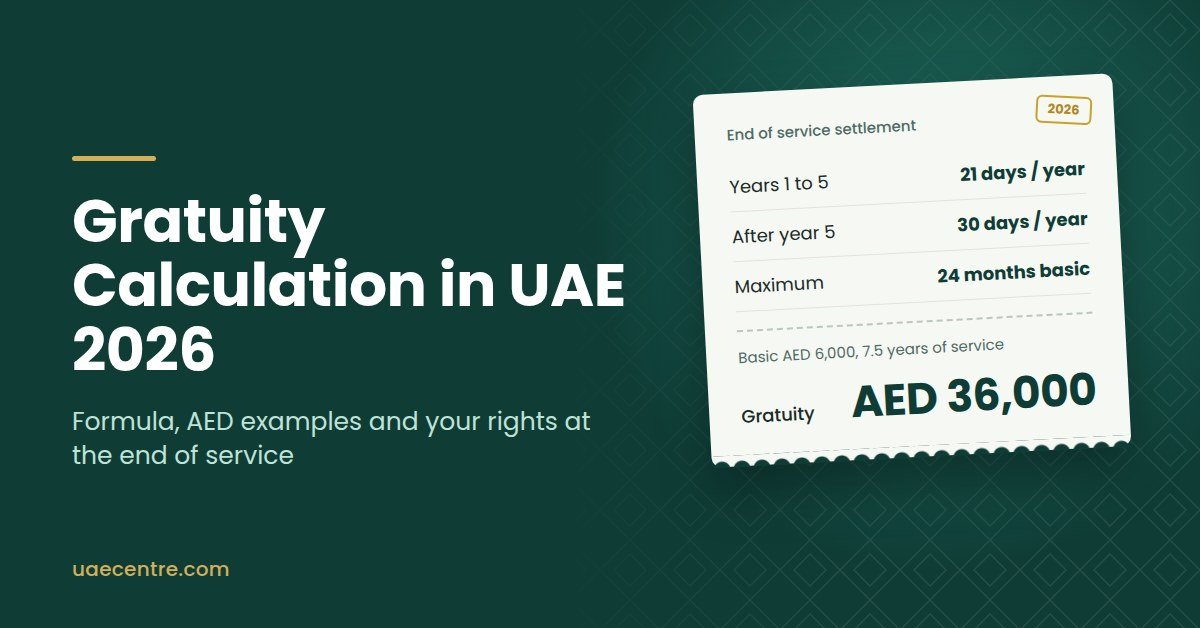
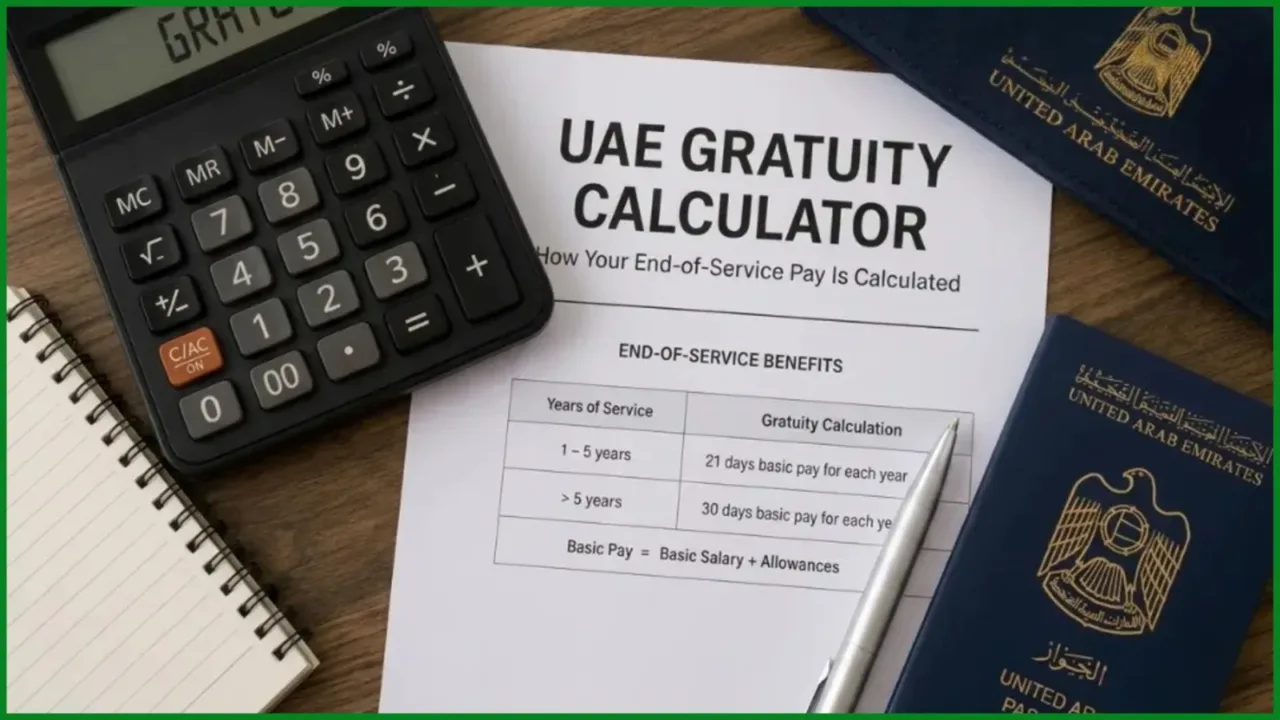
- Your basic salary affects your gratuity. End of service pay is calculated on your basic wage, so a very low basic means a lower gratuity later.
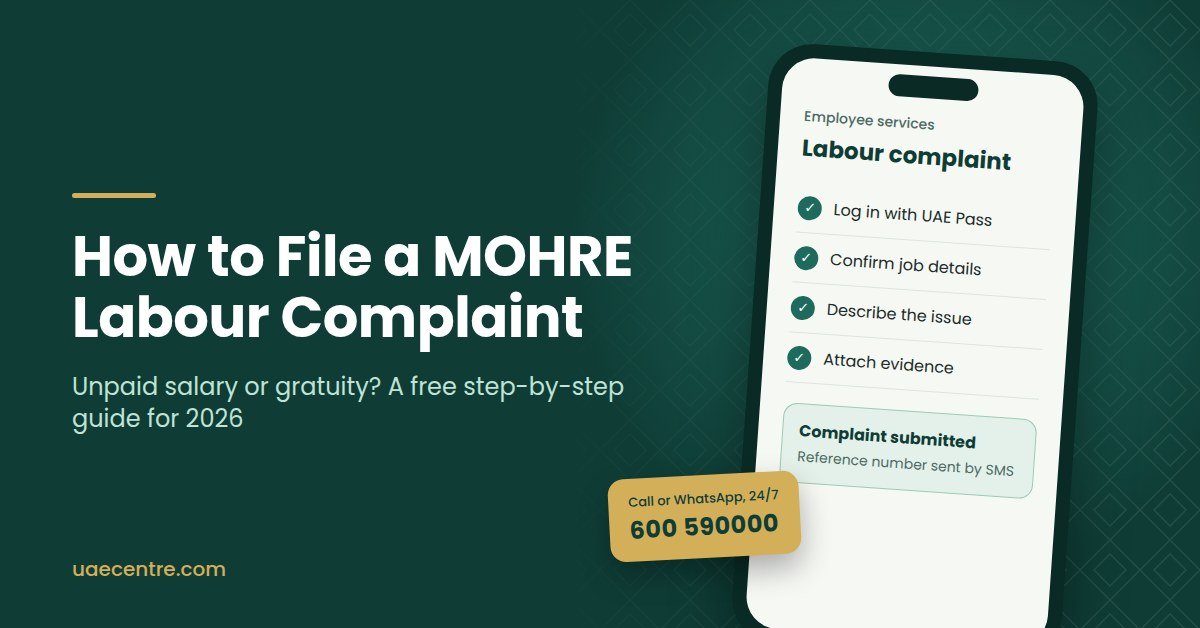
If your employer breaks these rules, you can file a MOHRE labour complaint for free.
Is a Low Salary Job Offer Worth Taking? A Reality Check
Back to that AED 2,500 offer. It may be legal, but whether it’s worth it depends on what comes with it. Before you accept a low-salary job in the UAE, ask:
- Is accommodation provided, or do I pay rent? Housing is the biggest monthly cost in the UAE. A low salary with free housing can leave more savings than a higher salary without it.
- Is transport or food included? These add up fast, especially in Dubai.
- How much of the salary is basic? This decides your gratuity and, sometimes, your eligibility for a family visa.
- Is medical insurance included? Employers must provide health insurance for their workers. Make sure it’s in your contract.
- Will this salary let me bring my family? If you earn below AED 4,000 (or AED 3,000 with accommodation), you won’t be able to sponsor your spouse and children.
- Does the offer match what MOHRE will register? If the offer letter and MOHRE contract show different figures, the MOHRE contract is what counts.
Then do the maths honestly. Write down your monthly costs in the UAE, including rent (if any), food, transport, phone, and the money you plan to send home. Subtract them from the salary. If what’s left is close to zero, the job may not move you forward, however exciting the move to the UAE feels. A slightly lower salary with housing and transport included often beats a higher one without.
And be careful with offers that look too good. A very high salary for little experience, or a request to pay “visa fees” upfront, is a classic warning sign. Learn how to spot fake job offers before you apply.
Common Mistakes About UAE Salaries
- Believing there’s a legal minimum wage for expats. There isn’t one, so check your contract carefully before signing.
- Quoting the old AED 12,000 graduate figure as law. It was a guideline, not a rule.
- Assuming your total package counts for every visa. Some services only look at basic salary.
- Accepting a verbal salary promise. Only the MOHRE-registered contract protects you.
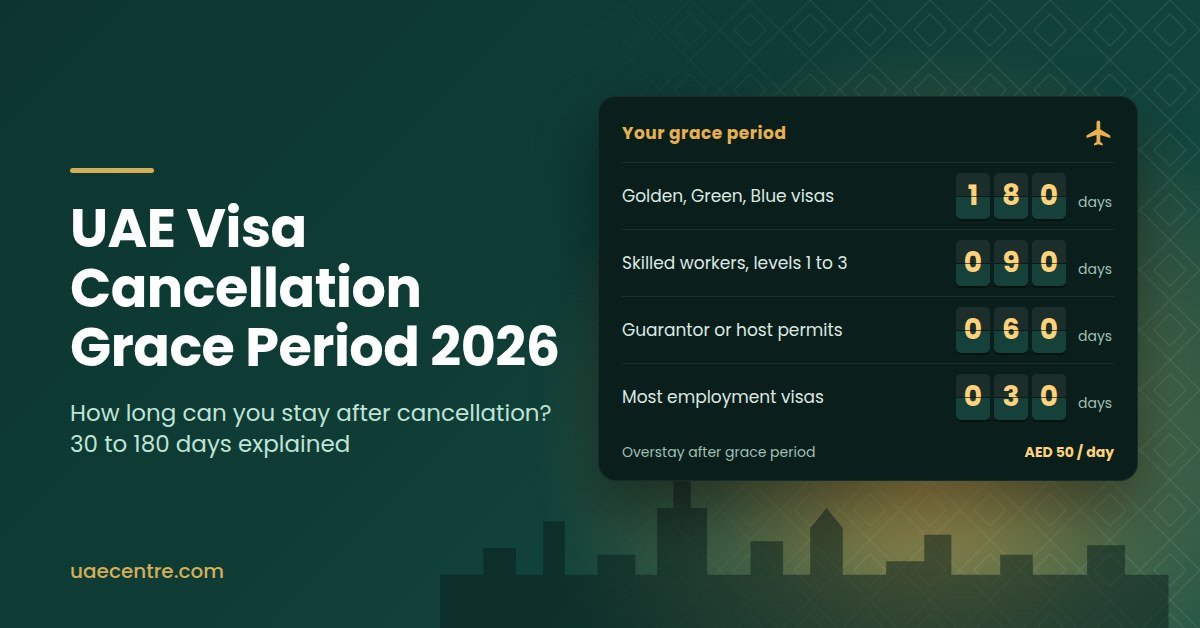
- Losing your job without a plan. If your income drops, your family’s visas may be affected too. Know your visa cancellation grace period and options before it happens.
Frequently Asked Questions
Final Word: Read the Contract, Not the Rumours
The UAE doesn’t set a minimum wage for expats, but salary still shapes almost everything about your life here: whether you can bring your family, which visas you qualify for, and how much gratuity you’ll leave with. Before accepting any offer, look beyond the headline number and check the basic salary, the benefits, and what the MOHRE contract says.
If you’re weighing up an offer, our guides on calculating your gratuity and UAE Visa Rules 2026 will help you see the full picture.
Official sources: Ministry of Human Resources and Emiratisation (MOHRE), the UAE Government portal, ICP and GDRFA Dubai.
This guide is for general information and is not legal or immigration advice. Salary thresholds can change and may vary by emirate, so confirm your situation with the relevant authority. Last reviewed: October 2026.