Published: Sunday, 21 June 2026, at 7:58 pm| Dubai | Edited: Sunday, 21 June 2026, at 8:07 pm
If you are looking for the most accurate UAE weather updates, the National Center of Meteorology (NCM) has issued a new midweek advisory. Let us look closely at the changing atmospheric conditions to know more about what to expect over the next few days.
ALSO READ:
- UAE Jobs for Malayalis in 2026: Complete Guide to Latest Vacancies, Salaries, and New MoHRE Rules
- How to Handle the UAE Visa Renewal Process 2026 Online Without Any Mistakes
- UAE Labor Law Explained for Employees: A Complete Workplace Guide
Midweek Rain Clouds and Heavy Coastal Fog
Prepare for overcast skies and localized showers across multiple emirates starting Tuesday afternoon.
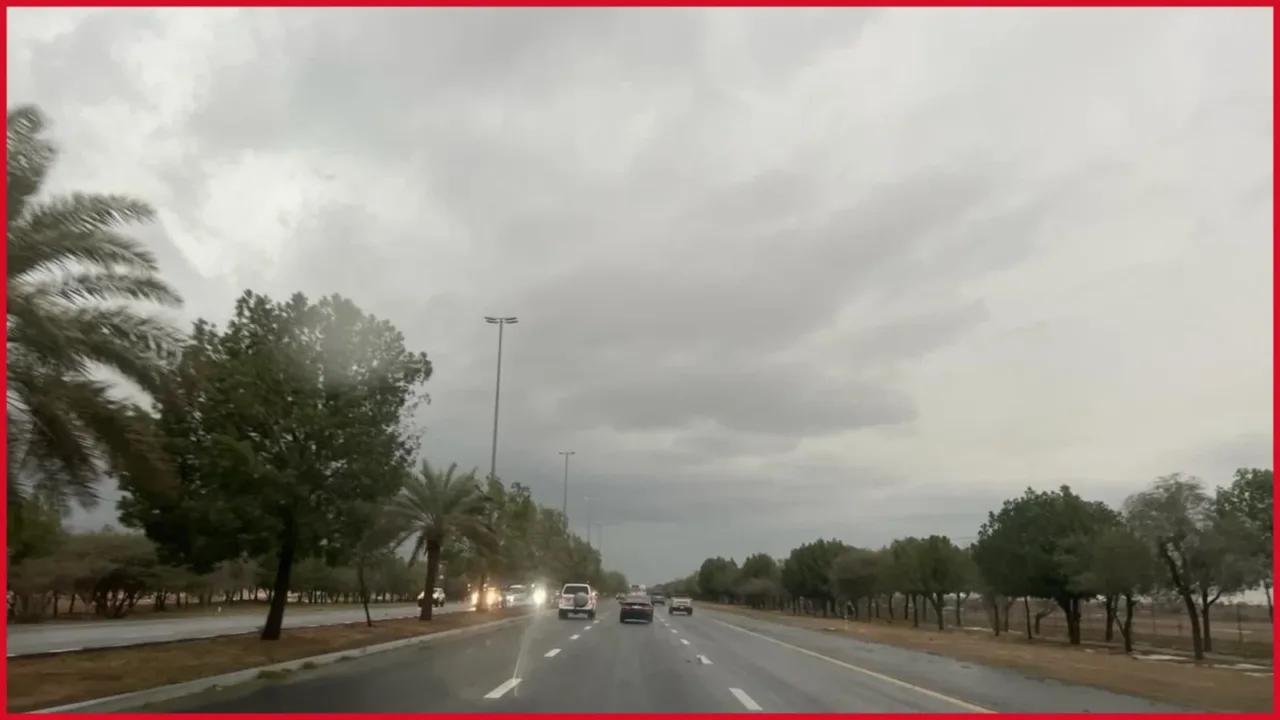
According to the official report from the NCM, weather dynamics will change significantly from Tuesday through Thursday. A stable Monday will give way to increasing humidity on Tuesday morning, creating heavy fog layers along the western coastal and internal areas that will temporarily lower road visibility.
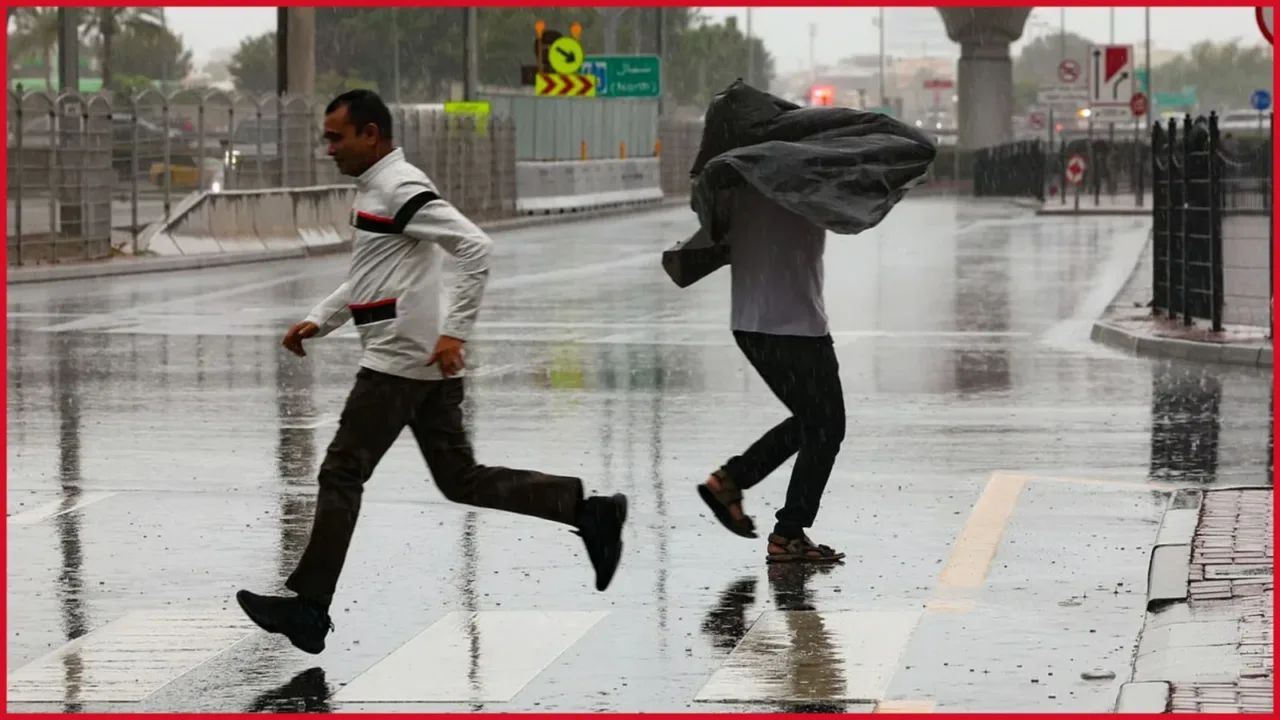
By Tuesday afternoon, convective rain clouds are expected to form rapidly over the eastern mountains. This unstable system will trigger the expected rain in UAE regions, bringing light to moderate showers. This pattern matches the current Dubai rain forecast data, which shows a high probability of cloudy conditions extending into Wednesday afternoon.
Temperature Drops and Strong Winds Expected
Colder conditions and dusty winds will impact open spaces toward the weekend.
The latest NCM UAE weather warning highlights a noticeable shift in wind speed and a sharp decline in temperatures by Thursday. A cool, northwestern wind will sweep across the country, especially affecting the western regions. These winds are projected to blow at an average speed of 10 to 25 km/h, but can occasionally peak at 40 km/h in open desert areas.
These strong winds will cause dusty conditions, blowing sand across major highways and reducing horizontal visibility. Furthermore, marine authorities warn that the Arabian Gulf waters will become highly turbulent on Thursday, so residents should avoid offshore activities. Keeping an eye on the rain forecast in UAE this week will help you plan your travel safely.
ALSO READ:
- UAE Residency Visa Explained: The Complete Step-by-Step Guide for Expats
- How to Find Jobs in UAE 2026: A Complete Guide for You
Summary of Key Weather Points
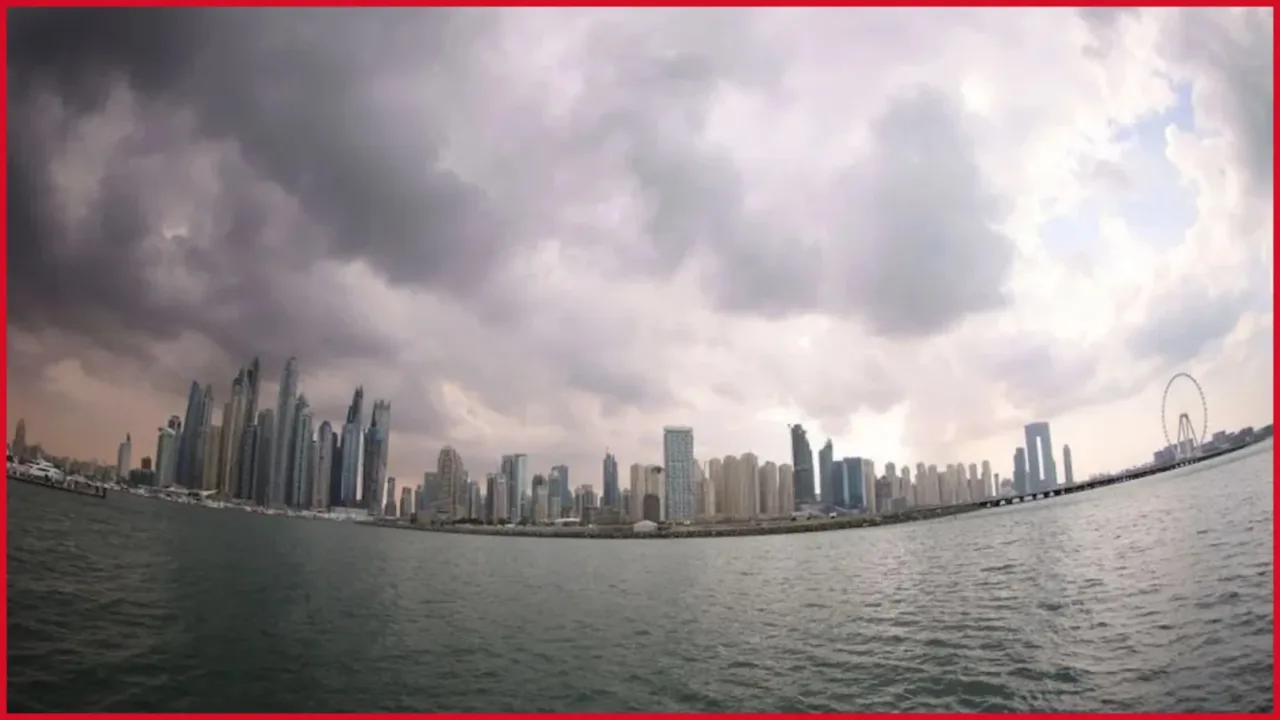
- Rainfall Timeline: Moderate rain showers are expected from Tuesday afternoon until late Thursday evening.
- Visibility Hazard: Dense morning fog on coastal roads and blowing dust in open areas will affect driving conditions.
- Cooler Weather: A prominent temperature drop is anticipated on Thursday due to fresh northwestern winds.
- Marine Warning: The Arabian Gulf waters will turn rough and unsettled, particularly in western offshore zones.
What to Do Next: Safety Measures for Residents

- Drive with Caution: Reduce your speed on highways during early morning fog and afternoon sandstorms to maintain a safe braking distance.
- Monitor Official Channels: Follow the regular UAE weather updates published on the official NCM smart app and verified government media channels.
- Secure Your Property: Ensure loose outdoor items on balconies or yards are secured tightly against strong wind gusts of up to 40 km/h.
Conclusion
The upcoming days will bring a welcome drop in temperature along with unstable rainy conditions across the country. Residents should stay alert to the latest NCM UAE weather warning notices and adapt their daily travel plans accordingly.
ALSO READ:
FAQ
- Which parts of the country will experience the highest chance of rainfall this week?
- The eastern and northern mountainous regions have the highest probability of rain cloud formation.
- Will the temperature decline affect all emirates equally on Thursday?
- The temperature drop will be felt across the country, but it will be most noticeable in the western desert and coastal areas.
- Is it safe to go out to sea or plan beach activities on Thursday?
- No, the NCM warns that the Arabian Gulf will be rough and turbulent, making marine activities unsafe.