Published: Thursday, 20 August 2026,at 8:55 am| Dubai | Edited: Thursday, 20 August 2026, at 8:59 am
A major Middle East conflict oil price surge has pushed global crude benchmark prices above $90 per barrel amid growing geopolitical fears. Rising military tensions and shrinking strategic reserves are sparking worries about broader market volatility. Read on to explore all the details about supply risks, pricing trends, and expert forecasts.
ALSO READ:
- How the Iran Conflict is Reshaping Life and Economy in the Gulf? A 2026 Survival Guide
- The Shattered Oasis?! Explaining the Deep Impact of Gulf War Crises on Middle East Geopolitics
- UAE Flight Suspensions Update: Major Airlines Cancel and Delay Regional Flights Across the Gulf
Middle East Conflict Oil Price Surge: Declining US Reserves and Rising Crude Benchmarks
Discover how expiring ceasefires and historic drops in strategic reserves are pushing global crude benchmarks higher.

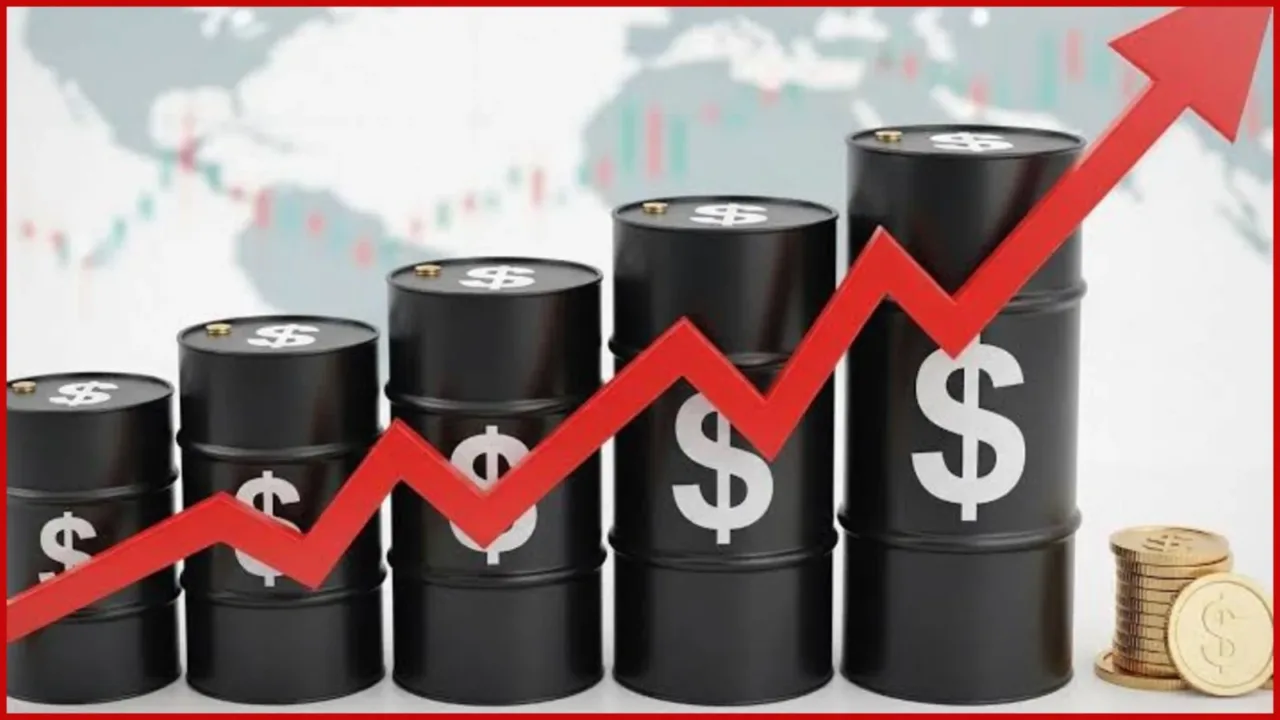
Military escalation across the Gulf has steadily pushed crude benchmarks upward as market players react to shrinking safety buffers. Financial analysts warn that dropping strategic petroleum reserves leaves energy markets extremely vulnerable to ongoing physical supply disruptions. The mounting risks of seeing Brent crude oil prices 100 dollars per barrel stem from these shrinking inventory cushions.
- Brent Futures: Surged 87 cents (nearly 1%) to reach $91.89 per barrel.
- WTI Crude Futures: Rose by $1.17 (1.4%) to hit $86.11 a barrel.
- US Strategic Reserves: Dropped by 5.3 million barrels in one week, reaching the lowest level since 1982.
Geopolitical Standoff and Maritime Route Threats
Explore how expired ceasefire deals and Red Sea maritime strikes are threatening commercial energy corridors.
The expiration of the 60 day US-Iran ceasefire without an extension agreement has significantly heightened geopolitical uncertainty. At the same time, intensified military strikes along key maritime transit routes continue to disrupt commercial tanker movements.
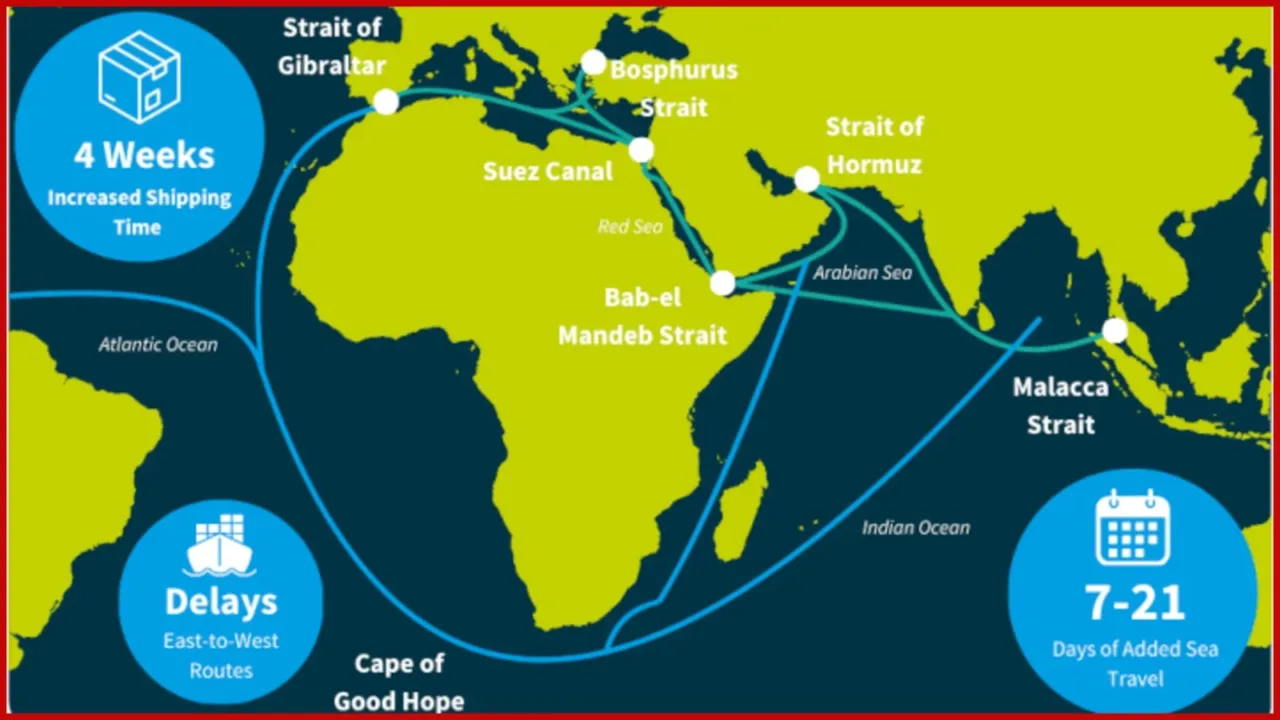
The ongoing Red Sea Houthi attacks oil market stability by forcing oil tankers into longer and costlier alternative shipping routes.
ALSO READ:
- Brazilian Football Legend Roberto Carlos Reportedly Embraces Islam
- Emergency Alert in UAE: What Every Resident Needs to Do and Avoid Right Now
Blocked Hormuz Shipping and Elevated Risk Premium
Learn how stalled shipping through the Strait of Hormuz is adding a persistent geopolitical premium to energy prices.
Market experts emphasize that current price gains are driven primarily by supply risk concerns rather than surges in global fuel consumption. Progress toward reopening critical maritime passage routes has ground to a complete standstill. This heightened US Iran geopolitical crude oil risk reflects severe market fears regarding Gulf export bottlenecks.
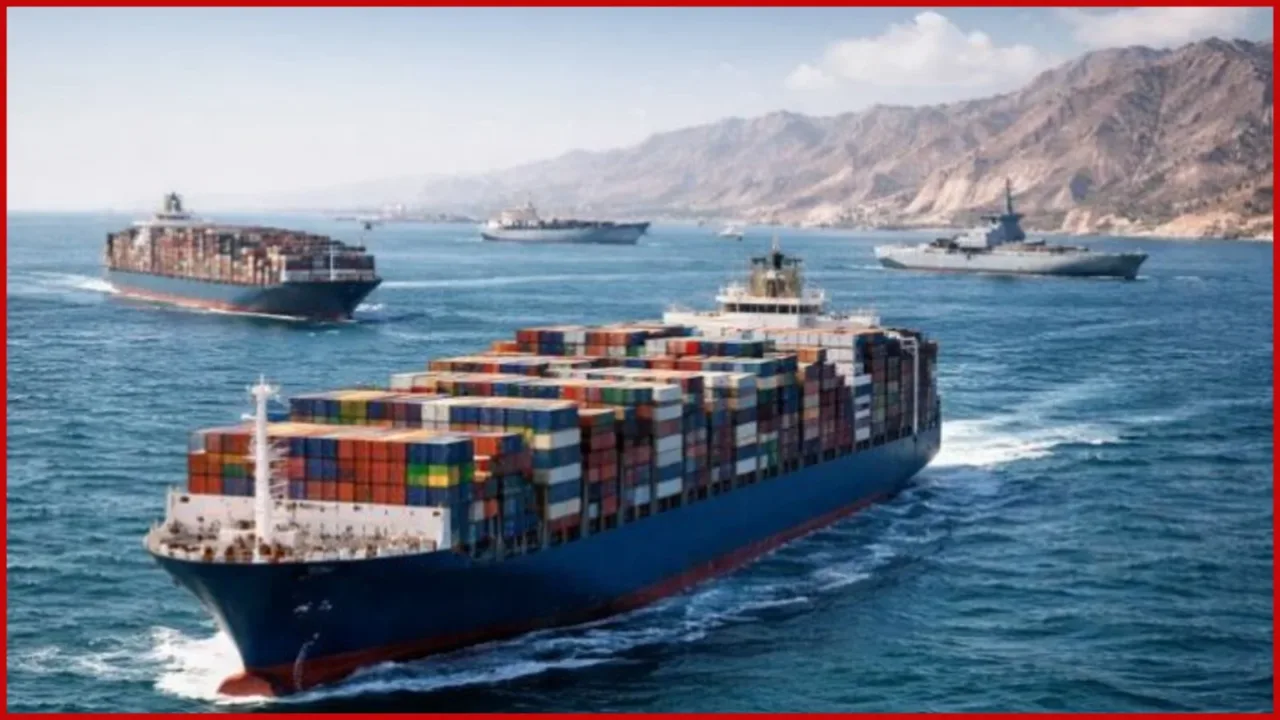
- Strait Bottlenecks: Stalled reopening efforts keep Gulf crude tanker movements severely restricted.
- Geopolitical Premium: Supply risks outweigh softer global consumption projections in current price levels.
- US Stance: Warnings against interfering with US shipping policy and insistence on controlling the Strait amplify market fears.
Physical Supply Loss Collides with Soft Global Demand
Review how real physical supply cuts clash with weaker consumption expectations in shaping price trends.
The global energy ecosystem remains conflicted as physical supply losses clash directly with slowing macroeconomic demand expectations. Production estimates point to meaningful crude reductions despite producer groups forecasting only modest demand growth. Persistent Strait of Hormuz oil supply disruption keeps physical supply tight enough to support Brent comfortably above $90 per barrel.
- Market Tension: Real physical supply losses clash against weaker global economic growth trends.
- Volatile Pricing: Sharp price rallies follow geopolitical headlines but pull back during diplomatic developments.
- Price Floor: Gulf export restrictions continue supporting Brent crude prices well above the $90 threshold.
Conclusion
Escalating Middle East conflicts, maritime shipping bottlenecks, and historic reserve drops threaten to push crude prices toward $100 per barrel.
ALSO READ:
- Two American Airlines Planes Face to Face: Alert ATC Swiftly Intervenes to Avert Major Disaster (Watch Video)
- Horrific Crime in Greece: Major Arrest Made After Scottish Woman’s Body Found Hidden in Suitcase
FAQs
Why are global crude oil prices rising toward $100 per barrel?
Prices are rising due to Middle East military escalation, expired ceasefires, and historic drops in US reserves.
How low have US Strategic Petroleum Reserves fallen?
US strategic reserves dropped by 5.3 million barrels in one week to their lowest point since 1982.
What is causing shipping delays in the Strait of Hormuz and Red Sea?
Stalled negotiations have blocked Hormuz reopening, while active Houthi attacks continue to disrupt Red Sea transit.
Is stronger global fuel consumption driving this crude price rally?
No, market experts confirm the price surge is driven by geopolitical supply risks rather than higher demand.