Published: Tuesday, 25 August 2026, at 10:33 pm| Dubai | Edited: Tuesday, 25 August 2026, at 10:43 pm
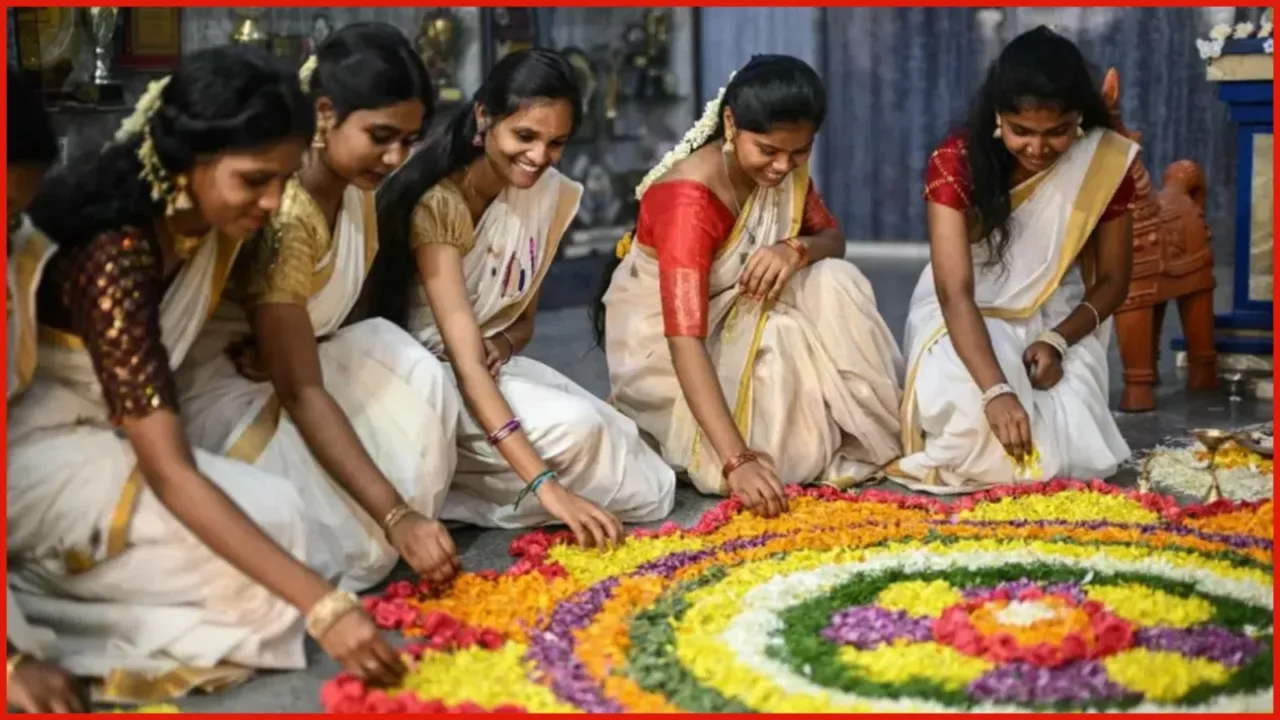
Happy Onam to all our beloved readers around the globe. As millions of Keralites celebrate this festive season, many readers worldwide may still be curious about the story and spirit behind this grand harvest celebration. Read on to explore the history, ancient legends, traditional feast customs, and vibrant rituals of Kerala‘s national festival in detail.
ALSO READ:
- Onam Celebration in UAE 2026: Complete Guide to Best Sadhya Spots, Cultural Events, and Shopping
- Khalifa Review: How Strong Is Prithviraj Sukumaran’s Massive Crime Empire?
- How to Find UAE Jobs for Malayalis in 2026?: The Ultimate Step-by-Step Guide to Companies Hiring, Visas, and High Salary Openings ( Updated)
The Ultimate Guide to Kerala’s Harvest Festival
Onam is the biggest and most cherished festival of Kerala, celebrated with immense joy, unity, and traditional splendour by Malayalis across the globe. Spanning ten to eleven days of grand harvest festivities, it marks a time of seasonal abundance, homecoming legends, and rich cultural heritage.
From traditional floral carpets to grand feast layouts, discovering the roots of this national festival helps us appreciate its timeless legacy. Read on to explore the history, folklore, feast rituals, and global celebrations of this magnificent festival in detail.
Historical Roots and Name Origin
Uncovering the ancient evolution and historical mentions of Kerala’s harvest festival.
Historical records show that the Onam celebration history Kerala dates back over 2,000 years as an ancient harvest celebration. Learning about the Onam celebration history Kerala helps us understand how this seasonal festival evolved into a major cultural identity.
- Origin of the Name: The name evolved from ‘Sravanam’, the Sanskrit term for the month of Chingam, gradually becoming Savanam, Aavanam, Aanam, and finally Onam.
- National Festival Status: The Government of Kerala officially declared Onam as the state’s national festival in 1961.
- Ancient Inscriptions: Clear historical references appear in Sangam literature like Madurai Kanchi and copper plate inscriptions from 861 AD during King Stanu Ravi Varma’s reign.
- Regional Reach: Historians point out that ancient Onam celebrations extended beyond Kerala into neighbouring regions like Tamil Nadu, Karnataka, and Andhra Pradesh.
Legends and Cultural Myths
Exploring the four foundational stories that shape the festive spirit of Thiruvonam.
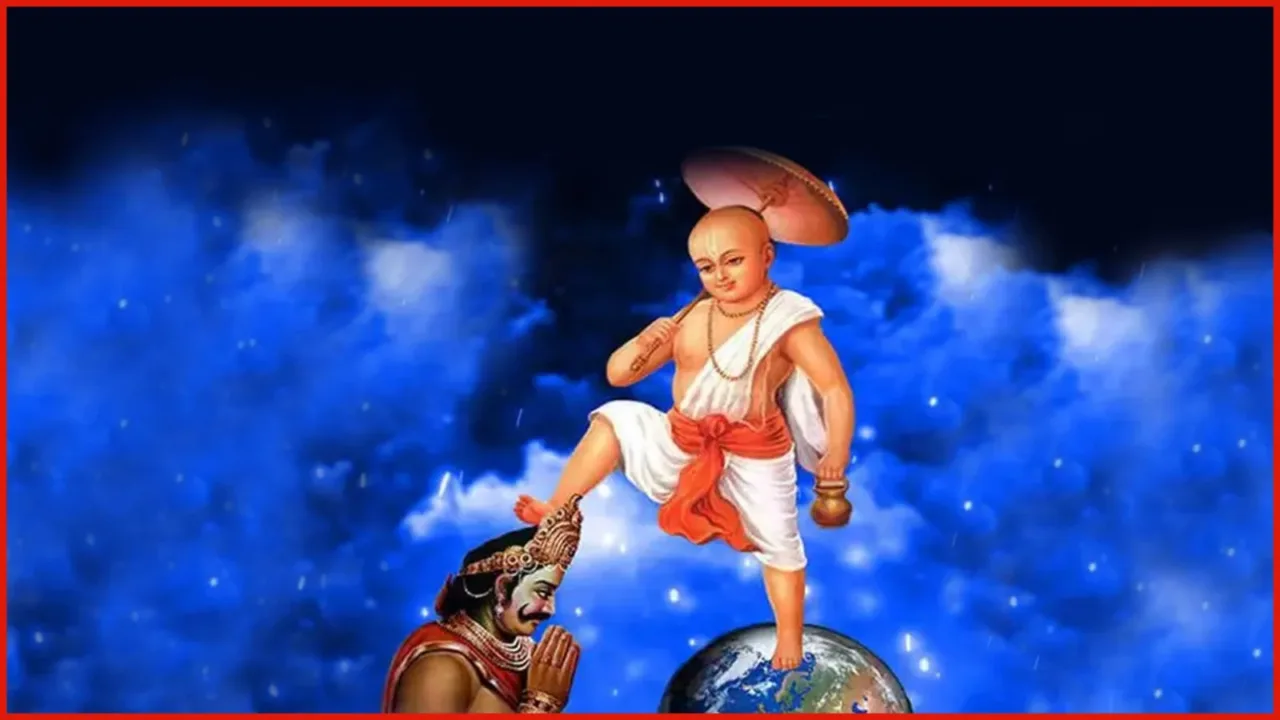
While popular culture focuses on King Mahabali, the Onam festival myths Malayalam folklore preserves offer several unique stories. These Onam festival myths Malayalam traditions show how history and multi religious beliefs blend together seamlessly.
- Reign of King Mahabali: The most popular belief states that Thiruvonam marks the annual visit of Asura King Mahabali from the underworld (Pathalam) to see his subjects.
- Arrival of Parasurama: Another tradition holds that Sage Parasurama donated land to Brahmins at Thrikkakara and promised to return once a year on Thiruvonam.
- Buddhist Heritage: Historical beliefs suggest Gautama Buddha adopted yellow robes on Thiruvonam, making it an early Buddhist observance of peace.
- Cheraman Perumal: A historical story notes that Cheraman Perumal, the last Chera king, left for Mecca on Thiruvonam, remembered by subjects lighting lamps.
ALSO READ:
- Kaziah Liz Mejo Crowned Miss Universe India 2026: The Inspiring Journey of Kerala’s UAE-Raised Beauty Queen
- Museum of the Future to Close Temporarily: Essential Visitor Guide Before the Closure
Key Festive Rituals and Traditions
From ten days of floral carpets to grand traditional games and arts.
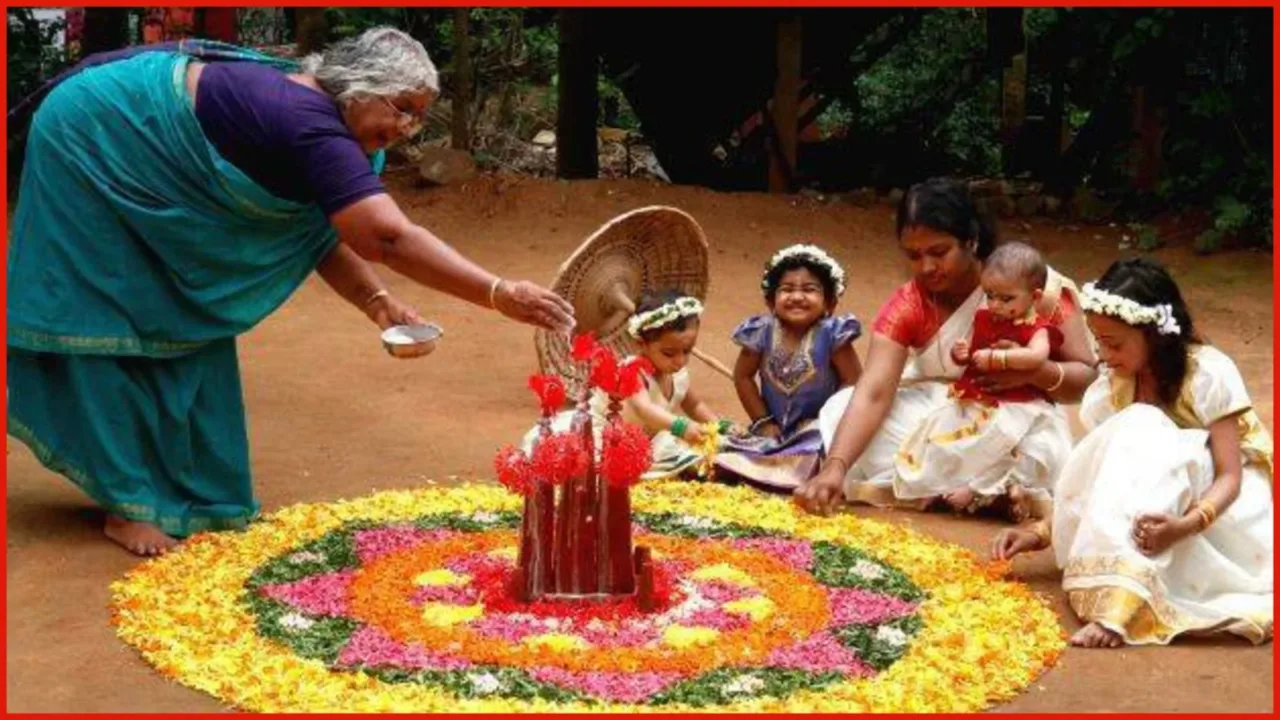
Onam is not a single day event but an eleven day celebration that brings families together across towns and villages. Homes follow traditional routines each day to mark the arrival of the harvest season.
- Pookkalam and Thrikkakara Appan: Floral carpets begin with one ring on Atham and expand to ten rings on Thiruvonam, accompanied by a clay idol of Vamana (Thrikkakara Appan).
- Onam Sadya: The central attraction is a multi-course vegetarian feast served on banana leaves with up to 26 distinct items.
- Traditional Arts and Games: Celebrations feature vibrant art forms and games including Pulikkali (tiger dance), Onathallu, Vallamkali (boat races), and Kaikottikkali.
- Onakkodi: Gifting and wearing brand new clothes highlights the traditional link between seasonal textile trade and agrarian harvest rewards.
Sadya Etiquette and Serving Order
Mastering the arrangement and proper dining order of the traditional banana leaf feast.
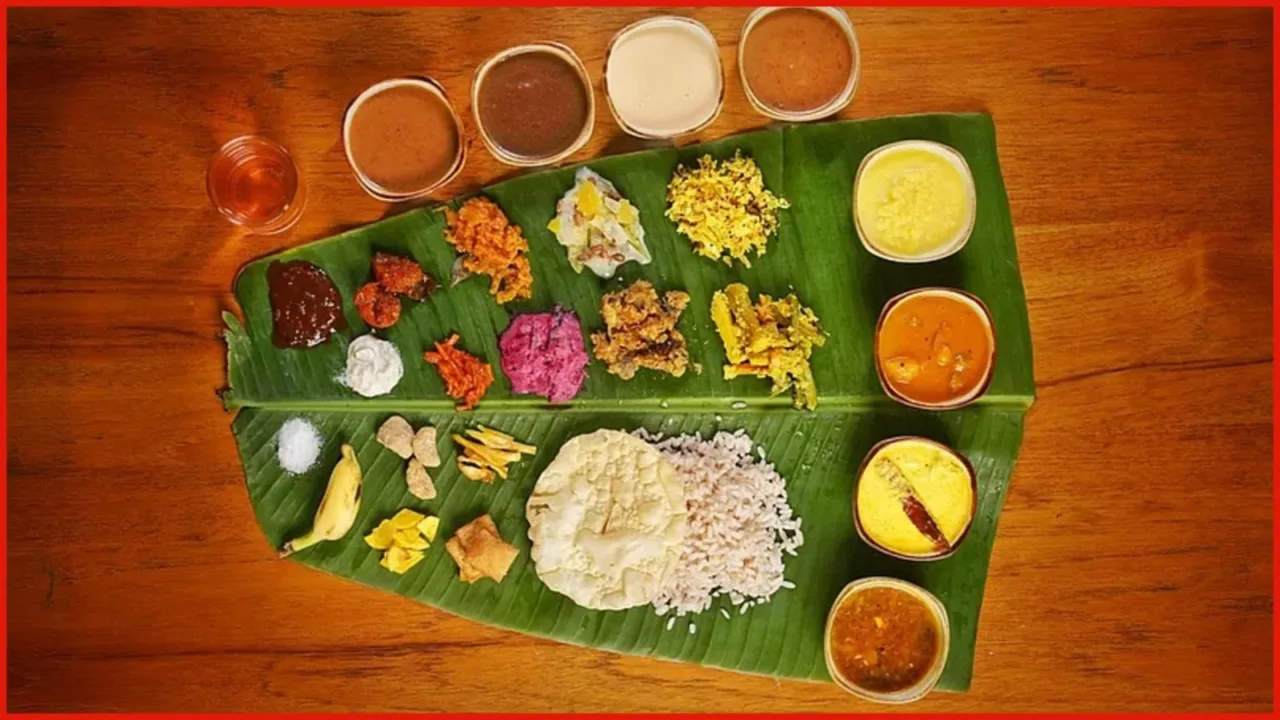
Enjoying Traditional Onam Sadya items involves following precise culinary customs on a fresh banana leaf. Preparing Traditional Onam Sadya items requires careful attention to serving positions and traditional tasting order.
- Leaf Placement: A fresh, untrimmed banana leaf is placed with its tapering left tip facing the diner’s left hand.
- Initial Savouries and Pickles: Upperi (banana chips, taro chips, jaggery chips), salt, banana, and papadam go on the top left, followed by ginger, lemon, and mango pickles.
- Side Dishes: Aviyal, thoran, kichadi, and pachadi are served on the top right, followed by koottukari, kalan, olan, erissery, and mezhukkupuratti.
- Main Meal Courses: Rice is served first with parippu curry and ghee, then eaten with papadam, followed by main courses of sambar, pulissery, or kalan.
- Dessert and Closing: Feasting finishes with sweet payasams like Ada Pradhaman and Palpayasam, concluding with light rasam and seasoned buttermilk (moru).
Global Celebrations and UAE Diaspora
How the global Malayali community celebrates festival traditions across international borders.
The reach of Onam global highlights how over one million Keralites in the UAE keep traditions alive abroad. Seeing Onam global trends grow shows how international tourism and expat networks connect communities worldwide.
- Active UAE Celebrations: Over 4.5 million Indians live in the UAE, where community groups, malls, and families host month long events across Dubai, Abu Dhabi, and Sharjah.
- Fresh Ingredients Flown In: Fresh vegetables, banana leaves, coconuts, and sadya essentials are imported straight from Kerala for the festive season.
- Extended Weekend Events: Celebrations extend over multiple weekends, featuring major stage programs and celebrity guest appearances at venues like Sharjah Expo Centre.
- Global Tourism Push: Kerala Tourism actively promotes the festival internationally to position it as a world class cultural experience for global travelers.
Conclusion
On behalf of uaecentre.com, we extend our warmest festive greetings to all Malayalis worldwide. May this harvest season bring endless peace, prosperity, and happiness to your homes
ALSO READ:
- Flydubai Hiring Senior Manager for IT Operations and Delivery in Dubai
- F1 Confirms Abu Dhabi Grand Prix 2026: Tickets, Dates, & Major Concert Updates Revealed
FAQs
What is the main significance of celebrating Onam?
Onam celebrates the harvest season and the annual homecoming of King Mahabali.
How many days do traditional Onam celebrations last?
Traditional celebrations span ten to eleven days, beginning on Atham and ending on Thiruvonam.
Which side of the banana leaf should point left during Sadya?
The narrow, tapering tip of the banana leaf must point to the left of the guest.
Are non-vegetarian dishes served during Onam Sadya?
While Central and Southern Kerala serve vegetarian Sadya, Northern Malabar regions traditionally include meat dishes.
How do Malayalis in the UAE celebrate Onam?
Malayalis in the UAE celebrate with floral carpets, imported Sadya ingredients, and large weekend events.